






More Vascular Health Articles
The Importance of the Median Cubital Vein in Blood Draws and Health Assessments
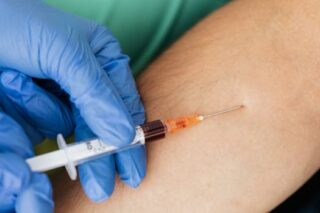
The median cubital vein is an essential component of our circulatory system, playing a pivotal role in both medical procedures and health assessments. Located typically in the bend of the elbow, this vein is the most common site for venipuncture, the process by which blood is drawn for medical testing. Understanding the significance of the median cubital vein can help demystify medical appointments and highlight why this particular vein is favored by healthcare professionals.
Understanding the Median Cubital Vein
The median cubital vein is situated superficially within the antecubital fossa, a triangular area of the elbow. This position makes it accessible for healthcare providers tasked with drawing blood. Since it connects the cephalic vein and the basilic vein, its location allows for easy identification and access. Due to its prominent position and steady blood flow, the median cubital vein is ideal for venipuncture, facilitating various diagnostic tests and medical procedures without causing undue discomfort to the patient.
Why is the Median Cubital Vein Preferred for Blood Draws?
Many factors contribute to the median cubital vein being the go-to choice for blood draws. For one, its size and superficial location make it easier for healthcare professionals to locate and puncture with minimal invasiveness. Additionally, due to its consistent and visible position, the risk of complications, such as rupturing or infiltration, is minimized. This reduces chances of bruising or discomfort post-blood draw, ensuring a better experience for patients.
Moreover, this vein is less surrounded by major nerves and arteries, thus lessening the probability of unanticipated complications. The median cubital vein’s role is also critical in cases where timely and accurate diagnoses are necessary. For instance, understanding one’s blood glucose levels, testing for potential infections, or monitoring kidney function heavily rely on blood samples obtained via this accessible site.
Caring for Your Veins During Health Assessments
Undergoing frequent blood draws as part of health assessments and routine check-ups, it’s vital to maintain vein health and ensure the process remains as comfortable as possible. Staying hydrated, for instance, can help the veins to become more prominent, making it easier for the healthcare professional to perform venipuncture. Regular exercise and a balanced diet also contribute to overall cardiovascular health, positively impacting vein function.
In conjunction with conserving vein health, understanding body weight’s impact on vein visibility during blood draws is beneficial. For more insights on managing weight through safe and effective strategies, consider exploring Weight Loss: Safe and Effective Approaches and Hidden Causes.
Alternative Sites for Venipuncture
Though the median cubital vein is the most common site, there are situations where alternative veins are preferable. Patients may have scars, injuries, or other contraindications that make blood draws from the median cubital vein impractical. In such cases, healthcare providers might opt for the cephalic or basilic veins as secondary options. Understanding alternative sites can help patients discuss potential changes with their care providers confidently.
In some circumstances, such as when dehydration changes vein accessibility, or in the presence of certain health conditions, the healthcare provider might choose an alternative site for venipuncture. It’s significant for patients to communicate any discomfort or previous experiences to their medical professionals, facilitating tailored and comfortable assessments.
Concluding Thoughts on the Median Cubital Vein
Understanding the function and importance of the median cubital vein in medical settings can enhance both patient experiences and outcomes. By recognizing its advantages and the role it plays beyond just blood draws, patients can engage more confidently in their healthcare journeys. Whether through routine check-ups or diagnostic assessments, the median cubital vein serves as a reliable partner in health evaluations.
For further exploration of this topic, the Health article on Wikipedia offers a broader context about health and wellness practices.
- The median cubital vein is pivotal for blood draws due to its accessibility and size.
- Proper hydration and nutrition promote vein health and visibility.
- Alternative venipuncture sites are available for certain patients.
- Effective patient-provider communication can enhance procedural comfort.
- The median cubital vein remains the primary choice due to its ideal characteristics.
What is the median cubital vein and where is it located?
The median cubital vein is a superficial vein located in the antecubital fossa of the elbow, connecting the cephalic and basilic veins.
Why is the median cubital vein commonly used for blood draws?
Due to its size and position, it’s easily accessible for venipuncture, resulting in fewer complications and discomfort for patients.
How can I improve vein health for easier blood draws?
Ensuring adequate hydration, maintaining a balanced diet, and engaging in regular exercise can enhance vein prominence and health.
What if my health condition affects blood draw procedures?
Inform your healthcare provider about your medical history and any previous challenges to find the most comfortable and effective venipuncture site for you.
Are there alternatives if the median cubital vein can’t be used?
Yes, healthcare providers may choose alternative veins such as the cephalic or basilic veins, depending on individual circumstances and accessibility.
Other Articles You May Find of Interest...
- Exploring the Causes and Treatments of Marantic Endocarditis
- The Importance of the Median Cubital Vein in Blood Draws and Health Assessments
- Are You Aware of the Risks Associated with Nitroglycerin Contraindications?
- Is Your Heart at Risk? Exploring Myxomatous Mitral Valve Issues and Their Impact
- What Is a Splenule and How Does It Affect Your Health?
- What You Need to Know About PIRADS for Prostate Health
- What You Need to Know About Atrial Septal Aneurysm and Its Impact on Heart Health




