






More Vascular Health Articles
Managing Permissive Hypertension for Better Health Outcomes
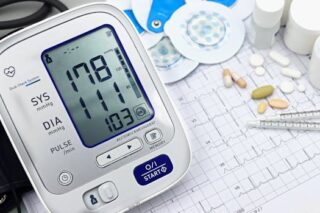
Permissive hypertension is a term that may not be familiar to many, yet it plays a significant role in managing blood pressure in certain medical situations. This approach involves tolerating higher blood pressure levels temporarily, under close medical supervision, to potentially achieve better long-term health outcomes. Understanding this concept requires a basic grasp of how hypertension is traditionally managed and under what circumstances a permissive approach might be beneficial.
What is Permissive Hypertension?
The concept of permissive hypertension takes a different approach compared to typical hypertension management. In standard scenarios, the primary goal is to lower high blood pressure to within normal ranges to reduce the risk of complications like stroke and heart attack. However, in some acute medical situations, like stroke or critical illness, slightly higher blood pressure might be allowed or even beneficial for a limited time.
This strategy of managing permissive HTN is used to ensure adequate blood flow to vital organs, especially the brain, during critical periods. The decision to employ a permissive approach should always be made by healthcare professionals who weigh the potential benefits against the risks.
When is Permissive Hypertension Considered?
Permissive hypertension is often considered during specific acute medical conditions, such as ischemic stroke. In such cases, adequate cerebral perfusion pressure is crucial. Allowing slightly elevated blood pressure ensures that blood—and thus oxygen—can reach the brain more effectively, potentially limiting the extent of neurological damage.
This approach might also be considered in intensive care settings, where maintaining perfusion to critical organs is a priority. Healthcare providers carefully monitor patients, making necessary adjustments to balance pressure levels with patient safety.
Potential Benefits of Permissive Hypertension
While it’s not the usual practice to allow high blood pressure, in certain controlled environments, it might offer temporary benefits. By maintaining higher blood pressure levels in critical phases, healthcare teams aim to preserve organ function and limit acute damage.
For example, in some types of stroke, rapid reduction of blood pressure can lead to further complications. Thus, in such scenarios, a permissive HTN approach is cautiously adopted.
Risks and Considerations
There are potential risks associated with permissive hypertension, which is why it is employed selectively. Prolonged exposure to high blood pressure can lead to additional strain on the heart and blood vessels, increasing the risk of cardiac complications.
Close monitoring by medical professionals is crucial to mitigate these risks. Decisions are made based on individual patient conditions, ongoing assessments, and the balance of risks and benefits.
Learn more about health management strategies here.
Conclusion
Permissive hypertension represents a nuanced approach in specific medical contexts where maintaining slightly elevated blood pressure could be life-saving. This strategy is not applicable for everyone with hypertension but can be advantageous under certain acute medical circumstances. As always, such decisions should be made in consultation with healthcare professionals to tailor the approach to the individual patient’s needs. Understanding permissive hypertension is an important aspect of comprehensive hypertension management.
For more insights on maintaining overall health and the impact of body mass, consider exploring this guide on BMI and health.
- Permissive hypertension involves managing higher blood pressure levels temporarily.
- It is often considered in critical care situations to ensure adequate blood flow.
- Decisions should be made by healthcare professionals.
- Potential risks include increased strain on cardiovascular health.
- Close monitoring is essential for safety.
What is the primary goal of permissive hypertension?
The primary goal is to maintain sufficient blood flow to vital organs under certain critical conditions, even if it means allowing higher blood pressure temporarily.
In which medical scenarios is permissive hypertension typically applied?
It’s commonly used during acute medical conditions such as ischemic stroke or in ICU settings where maintaining organ perfusion is critical.
What are the potential risks associated with permissive hypertension?
Potential risks include increased cardiovascular strain and other complications resulting from prolonged high blood pressure.
How do healthcare providers decide to use permissive hypertension?
Healthcare providers assess the individual patient’s condition, weighing the potential benefits against the risks, and monitor closely.
Is permissive hypertension a permanent treatment method?
No, permissive hypertension is a temporary approach used only under specific medical situations until it is safe to reduce blood pressure to normal levels.
Other Articles You May Find of Interest...
- Decoding Venous Blood Gas Interpretation for Better Health Insights
- Evaluating Deep Vein Thrombosis Risk with the Wells Criteria
- Unlocking the Secrets of Cardiac Action Potential?
- Recognizing the Tombstone EKG: Key Insights for Better Heart Health
- What You Need to Know About Monckeberg Sclerosis and Its Impact on Your Health
- Exploring the Benefits of Nailfold Capillaroscopy for Health Insights
- Unlocking the Secrets of PTCA: What It Means for Heart Health


