






More Vascular Health Articles
Exploring the Role of Ligamentum Venosum in Liver Anatomy and Function
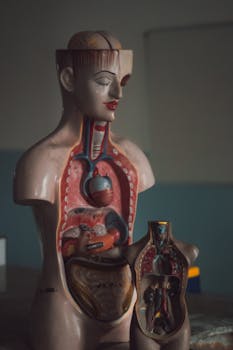
The human liver is a vital organ involved in numerous essential functions, including detoxification, metabolism, and the synthesis of proteins. Within the complex structure of the liver, the ligamentum venosum plays a crucial yet often overlooked role. This fibrous remnant of the ductus venosus, a fetal blood vessel, becomes significant in understanding liver anatomy and function. Here, we delve into the function, significance, and clinical implications of the ligamentum venosum.
Understanding the Ligamentum Venosum
In fetal development, the ductus venosus serves as a shunt allowing blood to bypass the liver and flow directly into the inferior vena cava. After birth, this vessel transforms into a fibrous band known as the ligamentum venosum. Situated between the left and right lobes of the liver, its presence marks the division in the posterior surface of the liver.
Significance in Liver Anatomy
The ligamentum venosum is an important landmark in liver anatomy. It helps differentiate the caudate lobe from the left lobe of the liver. This anatomical positioning aids surgeons and radiologists in identifying specific liver segments, which is crucial during surgical procedures and imaging. The remnant also plays a role in the identification of pathological changes within the liver structure.
Functional Implications
While the ligamentum venosum does not have a direct functional role in postnatal physiology, its significance lies in its embryological roots. The structure can serve as a guide during surgical procedures involving the liver, ensuring precise navigation and reducing the risk of complications. In some hepatic surgeries, an understanding of liver anatomy, including landmarks such as the ligamentum venosum, is vital for successful outcomes.
Historically, the transformation of the ductus venosus into the ligamentum venosum is a classic example of how certain fetal structures lose their functional necessity but retain importance in adult anatomy.
Clinical Considerations
In rare cases, the ligamentum venosum might be involved in pathological conditions. For example, it may be identified in imaging studies when examining liver tumors or abnormalities. Its presence, position, and the space it occupies can influence the manifestation of diseases and the approach taken during medical interventions.
Understanding the full scope of liver health involves an appreciation of lifestyle factors, diet, and exercise, which collectively impact overall health. For more insight, consider exploring how lifestyle choices impact our overall health through this comprehensive article.
The Ligamentum Venosum in Imaging and Surgery
Radiologists often utilize the ligamentum venosum as a point of reference in MRI and CT scans to accurately assess liver structural integrity. In surgical contexts, it assists in the identification of landmarks used during hepatectomies and transplantation. Its clarity in imaging helps delineate hepatic segments, which is paramount during procedures that require exactitudinal navigation across hepatic tissues.
Conclusion
The ligamentum venosum might appear as a minor structure within the grand scope of liver anatomy, yet its implications are significant. From serving as a guide in surgical procedures to marking important anatomical boundaries, this fibrous fold of tissue underscores the complexity and interconnectedness of the human body. Knowledge of such anatomical details enhances our understanding of liver health and paves the way for better diagnostic and surgical practices.
- The ligamentum venosum is a remnant of the fetal ductus venosus.
- It serves as a critical landmark in liver anatomy, particularly during imaging and surgical procedures.
- Understanding its placement aids in accurate diagnosis and treatment planning.
- While not functional postnatally, its embryological significance remains.
- Its presence can impact the surgical approach during liver surgeries.
Frequently Asked Questions
What is the ligamentum venosum?
The ligamentum venosum is a remnant of the ductus venosus, an important fetal vessel that becomes a fibrous band post-birth.
Where is the ligamentum venosum located?
It is located within the liver, running from the left branch of the portal vein to the inferior vena cava, marking the boundary between the caudate lobe and the left lobe.
Does the ligamentum venosum have a functional role after birth?
No, the ligamentum venosum does not have an active function in postnatal physiology but serves as an anatomical landmark.
Why is the ligamentum venosum important in liver surgery?
It aids surgeons in navigating liver segments, helping to avoid complications during procedures like tumour resections or transplantations.
How is the ligamentum venosum used in medical imaging?
Radiologists use it as a reference point to assess liver anatomy and diagnose potential liver conditions in scans.
For further reading, visit the comprehensive article on Liver Anatomy on Wikipedia.
Other Articles You May Find of Interest...
- Exploring the Role of Ligamentum Venosum in Liver Anatomy and Function
- Achieving Healthy Levels of Triglycerides for Optimal Heart Health
- What Is the Normal Ankle Brachial Index and Why Does It Matter?
- Carotid Body Tumors: What Are the Risks and Treatment Options?
- Navigating the Challenges of Factor Five Leiden Blood Disorder
- What Does Capillary Pulmonary Wedge Pressure Reveal About Your Heart Health?
- Exploring the Benefits and Risks of Coil Embolization for Vascular Treatments




