






More Telemedicine Articles
Mastering Dosage: How to Accurately Measure 0.25 ml on a 1ml Syringe
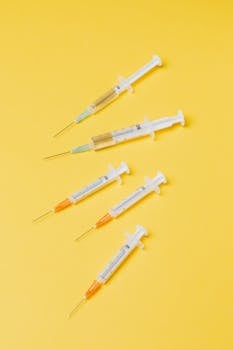
When it comes to accurately measuring dosages, understanding how to read a syringe can be crucial. If you’ve ever needed to measure 0.25 ml on a 1ml syringe, you’re not alone. This task is common in both medical settings and at-home care, whether for administering medications or supplements. This article will guide you through the essentials, ensuring you can measure this small yet critical amount precisely.
Understanding the 1ml Syringe
A 1ml syringe is among the smallest syringes and is typically used for precise measurements. It is marked in increments, each representing a fraction of a milliliter, making it ideal for doses that require accuracy. Comprehending these markings will enable you to correctly draw 0.25 ml from solutions and ensure the right dosages are administered.
How to Measure 0.25 ml on a 1ml Syringe
To begin, it’s vital to familiarize yourself with the syringe markings. A 1ml syringe usually features markings in 0.01 ml increments. Therefore, measuring 0.25 ml involves drawing the liquid to the 25-mark on the syringe. Confirm that the liquid’s meniscus aligns with this marking for precision. This technique is crucial for tasks such as administering medications accurately, as any variance can significantly affect outcomes.
Steps for Accurate Measurement
- First, ensure that the syringe is clean and free of any previous substances.
- Draw in the liquid, making sure to keep the syringe at eye level to avoid parallax errors.
- Stop at the 25-mark, which represents 0.25 ml on a 1ml syringe.
- Check the liquid’s alignment with the markings for accuracy before administering.
These steps are straightforward yet essential. Skipping any of them could result in inaccurate measurements, potentially compromising the task at hand.
Common Mistakes and How to Avoid Them
A frequent mistake is not ensuring the liquid is at eye level when measuring. Looking from above or below can distort your view, leading to misjudgment. Another common error is drawing in air bubbles, which can displace the liquid and affect the measurement. It’s essential to release any bubbles trapped within the syringe before finalizing the dose.
The Role of Calibration in 1ml Syringes
Calibration plays a critical role in ensuring the reliability of syringe measurements. Regularly checking the calibration of the syringe against a standard can prevent deviations over time, ensuring consistent accuracy. If you’re frequently measuring doses, this step should become a part of your routine.
Additional Tips for Precise Measurement
Use a flat, stable surface to rest your arm when drawing the liquid to maintain steadiness. If available, employ a second person to confirm the measurement accuracy, especially if you’re new to this task. For ongoing medical conditions requiring repeat doses, consider consulting a healthcare professional to validate your technique.
Benefits of Accurate Dosage Measurement
Accurate dosage ensures that the intended effects of the medication or supplement are realized without complications. It avoids overdose risks and supports the body’s stability, essential factors for maintaining health. For more insights into maintaining a balanced regimen, you can explore the importance of a high-protein diet for weight loss.
Conclusion
Mastering the technique of measuring 0.25 ml in a 1ml syringe is vital for ensuring the proper administration of medications and supplements. By familiarizing yourself with the process and avoiding common pitfalls, you are better equipped to meet health-related needs safely and effectively. Always consult healthcare providers for personalized advice and stay informed by visiting credible sources such as Wiki Health.
- A 1ml syringe is marked in increments of 0.01 ml for precision.
- To measure 0.25 ml, align the liquid with the 25-mark.
- Check from eye level to avoid parallax errors.
- Calibration ensures accuracy over time.
FAQs
What are the common uses for a 1ml syringe?
A 1ml syringe is often used for small dosages of medication, vaccines, or supplements that require precise measurements.
How can I prevent air bubbles in a syringe?
To prevent air bubbles, ensure that the liquid is drawn in slowly, and tap the syringe to move any bubbles to the top where they can be expelled.
Why is accuracy important in measuring 0.25 ml?
Accuracy in measuring 0.25 ml is important to ensure the correct dose is given. Over- or under-dosing can significantly impact treatment efficacy and safety.
Can I use a 1ml syringe for larger dosages?
While technically possible, using a 1ml syringe for larger dosages is not practical and could lead to errors. Larger syringes are recommended for bigger volumes.
What should I do if I’m unsure about my dosage measurement?
If uncertain, consult a healthcare provider or pharmacist to verify that the correct dosage is being administered. Their guidance is crucial for maintaining safety and effectiveness.




