






More Supplements Articles
Understanding Common Supplements and Their Research-Backed Benefits
Disclaimer: This article is for informational purposes only. Always consult with a healthcare professional before starting any supplement regimen. Do not self-diagnose or treat any medical condition based on this information. Your doctor should be consulted regarding any health concerns or before making changes to your wellness routine.

Introduction
The supplement industry has grown significantly over the past decade. People are increasingly interested in supporting their health through additional nutrients beyond what they get from food. However, understanding which supplements actually have scientific backing is important. Many common supplements are studied extensively at major universities and research institutions. This article explores some of the most popular supplements, what research shows about them, and why people choose to use them.
Ashwagandha: The Stress and Sleep Support

Ashwagandha is an herb that comes from India and has been used in traditional medicine for hundreds of years. In modern research, this ingredient appears in studies from institutions like the University of Arizona and various Indian medical universities. These studies suggest that ashwagandha may help people manage stress levels and sleep quality.
The research indicates that ashwagandha contains compounds called withanolides. These compounds seem to work with the body’s stress response system. People taking ashwagandha in clinical studies often report feeling calmer and sleeping better. Studies published in medical journals show that doses between 300mg and 600mg daily were used in research trials. Results typically appeared after four to eight weeks of consistent use.
What makes ashwagandha interesting is that it works differently than many other supplements. Rather than providing a direct nutrient, it appears to help your body manage its own stress responses. Research from universities like Rutgers has shown measurable changes in cortisol levels, which is the hormone your body produces during stress.
Magnesium: The Essential Mineral Many People Lack

Magnesium is a mineral that your body needs for over 300 different functions. It helps with muscle function, nerve signaling, and energy production. Research from the National Institutes of Health suggests that many adults do not get enough magnesium from food alone.
Studies from various universities show that magnesium supplements may help with muscle tension, sleep quality, and stress management. The research is particularly strong for magnesium and sleep. People in studies who took magnesium before bed reported falling asleep more easily and sleeping more deeply.
Different forms of magnesium work differently in your body. Magnesium glycinate is easier to absorb. Magnesium citrate may support digestive health. Magnesium threonate is studied for brain health support. The dose matters too. Research studies typically used between 200mg and 400mg daily, taken in the evening.
Omega-3 Fatty Acids: Brain and Heart Support

Omega-3 fatty acids come from fish oil and plant sources. These fats are essential, meaning your body cannot make them. You must get them from food or supplements. Major research institutions have studied omega-3s extensively.
The research on omega-3s is substantial. Studies show connections between omega-3 consumption and heart health, brain function, and inflammation management. The American Heart Association has published guidelines about omega-3 intake. Research from universities and medical centers worldwide consistently shows benefits.
Omega-3s work because they become part of cell membranes throughout your body. They influence how cells communicate and function. Studies measuring blood markers show that people taking omega-3 supplements have measurable changes in their omega-3 levels and related markers.
Vitamin D: The Sunshine Vitamin
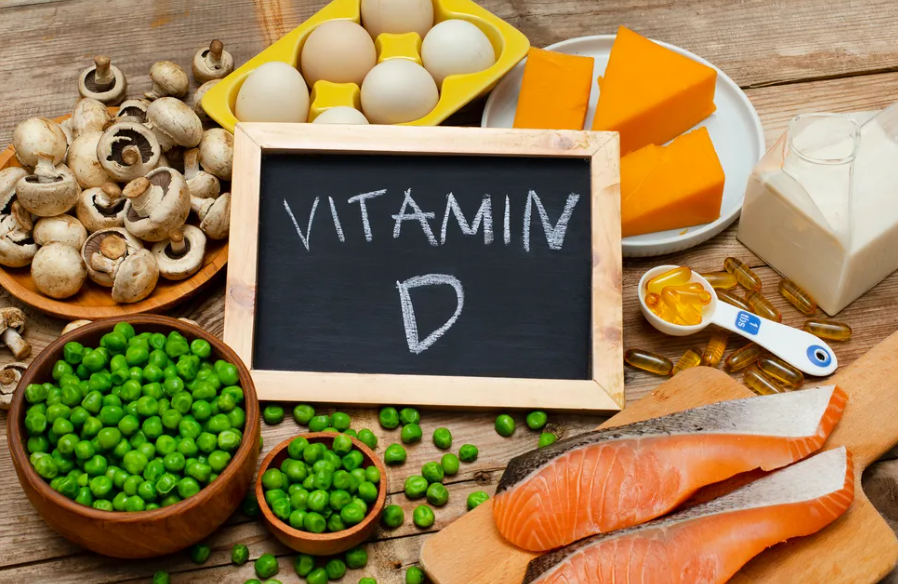
Vitamin D is unique because your skin can produce it when exposed to sunlight. However, many people do not get enough sun exposure. This is especially true for people in northern climates during winter months.
Research from institutions like Stanford University shows that vitamin D deficiency is common. Vitamin D appears in studies related to bone health, immune function, and mood. The research shows that adequate vitamin D levels matter for multiple body systems.
Vitamin D supplements come in two forms. Vitamin D2 comes from plant sources. Vitamin D3 is the form your body naturally produces. Studies suggest D3 is more effective at raising and maintaining vitamin D levels. Research indicates that 1000 to 2000 IU daily is common for maintenance, though your individual needs may differ.
Probiotics: Gut Health Support

Probiotics are beneficial bacteria that live in your digestive system. These organisms influence digestion, nutrient absorption, and even immune function. Research universities have studied which probiotic strains provide the most benefit.
The science shows that different probiotic strains do different things. Lactobacillus strains support certain aspects of digestion. Bifidobacterium strains help with other functions. The research indicates that the specific strain matters more than just having any probiotic.
For probiotics to work, they need to survive the journey through your stomach acid. Research shows that taking them with food helps. Also, different strains thrive at different temperatures. Quality and storage matter for probiotic supplements.
Turmeric and Curcumin: Traditional Medicine Meets Modern Research

Turmeric is a golden spice from Asia. It contains curcumin, which is the compound researchers study most. Universities across the globe have published research on curcumin.
The research shows that curcumin has powerful properties for managing inflammation in the body. However, plain turmeric has low absorption. Research studies use curcumin extract with ingredients like black pepper extract to increase absorption significantly. Studies show that absorption increases by 2000 percent when combined properly.
People taking curcumin in research studies received between 500mg and 2000mg daily. Results in studies appeared gradually, typically over two to four weeks. The consistency of use mattered in the research.
The Sustainable Packaging Story

As the supplement industry grows, packaging has become an important consideration for both brands and consumers. Many supplements are sold in plastic bottles, but paper-based and recyclable packaging options are becoming more common. Paper tube packaging for supplements is one option some companies use as part of a broader shift toward more environmentally conscious packaging.
These tubes are often made from recyclable materials and may offer a smaller environmental footprint than traditional plastic containers. They can also help protect supplements from light and air when designed properly, which is important for product freshness and storage.
For supplement brands, packaging choices can affect product presentation, storage, shipping, and consumer perception. Companies researching eco-friendly options may compare materials, durability, recyclability, moisture protection, and supplier capabilities before choosing a packaging format.
Businesses interested in paper-based supplement packaging may research suppliers such as paper tube manufacturers as one example of companies involved in this type of packaging.
When shopping for supplements, consumers may notice more products arriving in paper tubes or other recyclable containers. This reflects a broader trend toward sustainability in the health and wellness industry. Packaging should still be evaluated alongside product quality, ingredient transparency, expiration dates, and proper storage instructions.
Key Takeaways About Supplements
Supplement research continues to grow. What we know from institutional research shows that many common supplements have genuine benefits when used appropriately. Quality matters. Consistency matters. Individual needs vary.
Always work with a healthcare provider. They understand your complete health picture. They can recommend appropriate supplements for your specific situation. They can monitor your progress and adjust recommendations as needed.
The research on supplements is encouraging but not a replacement for medical care. Supplements support health. They do not treat or cure disease. A healthy diet, regular movement, good sleep, and stress management form the foundation. Supplements fill gaps when food alone is not sufficient.
Conclusion
Common supplements like ashwagandha, magnesium, omega-3s, vitamin D, probiotics, and curcumin have substantial research behind them. Universities and research institutions worldwide study these ingredients. The evidence suggests real benefits exist when these supplements are used appropriately.
As you explore supplements, remember that quality, dose, and consistency all matter. Work with a healthcare professional. Read labels carefully. Choose products from reputable manufacturers. Consider the packaging and environmental impact of your choices.
The health supplement industry is evolving. Manufacturers are improving formulations based on research. They are also improving packaging to be more sustainable. This means you have better options than ever before for supporting your health responsibly and environmentally consciously.
Final Reminder: This article provides information only. It is not medical advice. Before starting any supplement, speak with your doctor. If you are pregnant, nursing, taking medications, or have health conditions, medical guidance is essential. Your healthcare provider can help you make the best choices for your unique situation.
Other Articles You May Find of Interest...
- Caffeine Tablets for Staying Awake: Benefits and Risks
- Common Signs of Low Iron Levels and How to Address Them
- The Quest for Longevity: Supplement Trends Shaping Health Span in 2026
- How to Get a Vitamin B12 Shot Safely
- The Power of L-Methylfolate: Could Your Multivitamin or Methylfolate Supplement Be Using the Wrong Form of Folate?
- Vitamin B12 Supplements in the UK: Forms, Doses and What to Consider
- How to Buy Supplements Online Safely: What to Check Before You Order





