






Your Health Magazine
4201 Northview Drive
Suite #102
Bowie, MD 20716
301-805-6805
More Supplements Articles
The Best Astaxanthin Supplements for Eye, Skin, and Heart Health — Doctor’s 2026 Guide
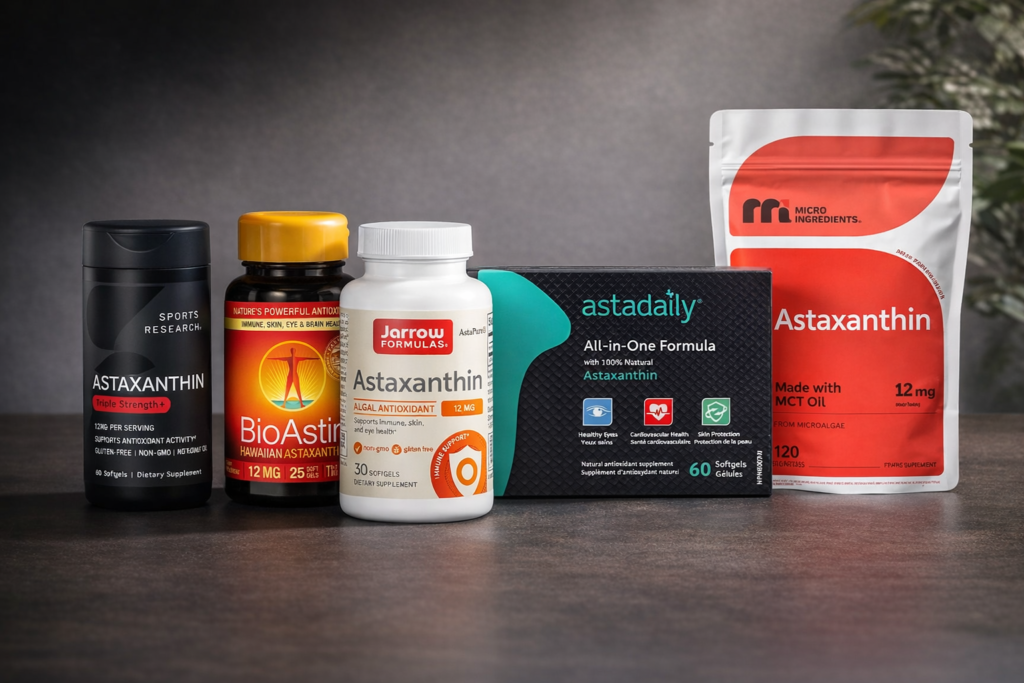
Top Picks Summary
- Best Overall: Astadaily All-in-One Astaxanthin
- Best Early Astaxanthin Brand: BioAstin Astaxanthin
- Best Vegan-Friendly Option: Sports Research Triple Strength Astaxanthin
- Best Long-Established Supplement Brand: Jarrow Formulas Astaxanthin
- Best Budget Option: Micro Ingredients Astaxanthin
Introduction
Over the past few years, I’ve noticed astaxanthin being discussed more frequently in both preventive health and longevity research. It’s a naturally occurring carotenoid antioxidant derived mainly from the microalgae Haematococcus pluvialis, and it’s the pigment responsible for the red color we see in foods like salmon, shrimp, and krill.
In clinical practice and research, interest has grown due to its potential role in reducing oxidative stress — a process associated with aging, cardiovascular disease, retinal degeneration, and skin damage.
Several studies have explored how astaxanthin may support areas such as eye health, circulation, skin hydration, and cellular protection. In practice, I often see it discussed in relation to digital eye strain, skin resilience to UV exposure, inflammation, and even exercise recovery.Human trials using daily doses around 6–12 mg have reported benefits such as improved ocular blood flow and reduced screen-related eye fatigue, which is particularly relevant for people who spend long hours working in front of screens.
That said, not all astaxanthin supplements are the same. Differences in source, cultivation methods, extraction processes, dosage, and overall formulation can significantly affect quality and potential effectiveness.
2. Comparison Table
| Product | Astaxanthin Source | Formula Highlight | Packaging | Overall Rating |
| Astadaily All-in-One | AlgaeAsta® (closed bioreactor + solvent free extraction) | 9-in-1 formula: Lutein esters, zinc, blueberry extract, resveratrol, fish oil, biotin, vitamin C & E | Blister (individual capsules sealed) | 4.9/5 |
| BioAstin Hawaiian Astaxanthin | Hawaiian microalgae(open raceway pond + solvent free extraction) | Single-ingredient | Bottle | 4.4/5 |
| Sports Research Triple Strength Astaxanthin | Algalif® algae (indoor phototubular + solvent free extraction) | Single-ingredient | Bottle | 4.6/5 |
| Jarrow Formulas Astaxanthin | AstaPure® algae(outdoor phototubular + solvent free extraction) | Single-ingredient | Bottle | 4.5/5 |
| Micro Ingredients Astaxanthin | Unknown | Single-ingredient | Zipper Bag | 4.5/5 |
3. Detailed Product Reviews
#1 Astadaily All-in-One Astaxanthin — Best Overall
Rating: 4.9/5 ★★★★★
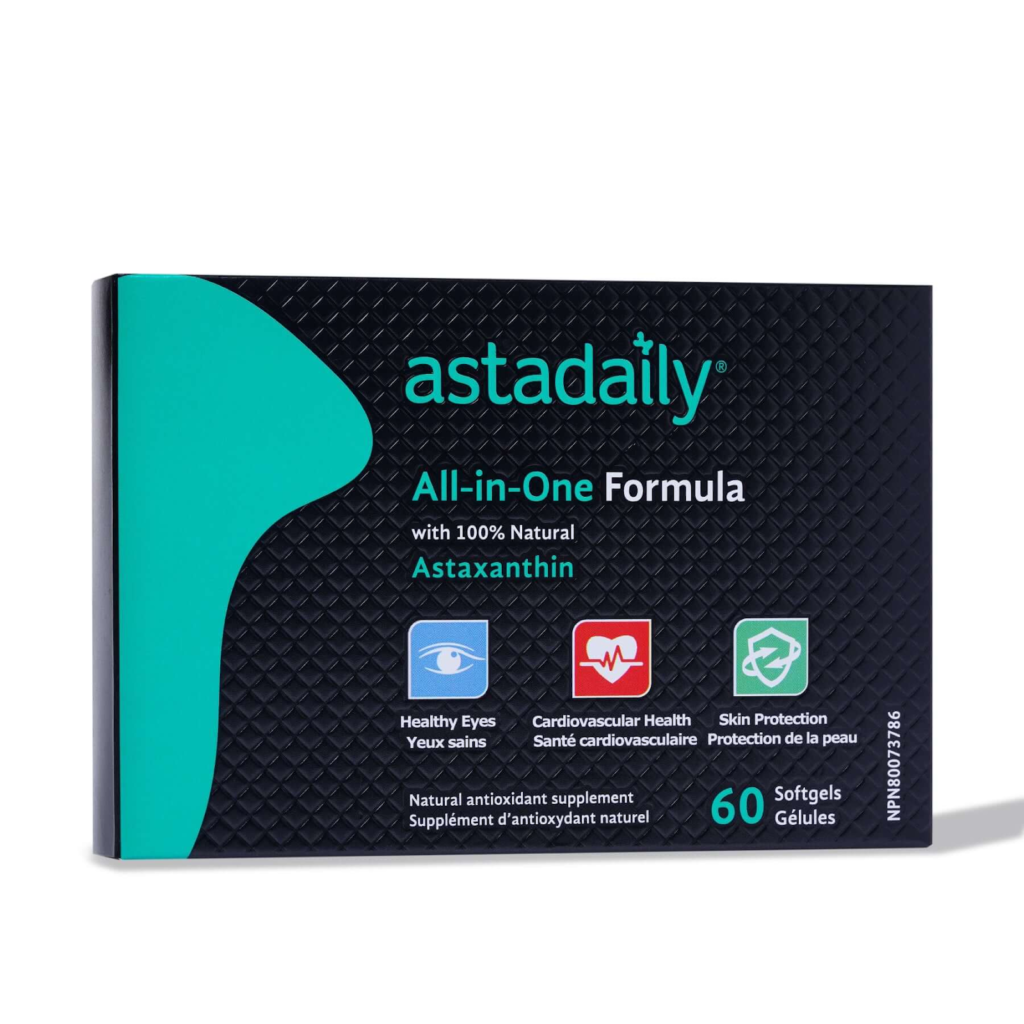
Overview
Astadaily is a Canadian brand focused on astaxanthin research and formulation, with nearly nine years of experience developing evidence-informed supplements for daily wellness. This all-in-one formula provides 12 mg of natural astaxanthin and combines it with supportive nutrients such as lutein, blueberry extract, and omega-3 fish oil to help support eye health, skin hydration, and overall antioxidant protection.
Strengths
- Comprehensive 9-in-1 antioxidant formula
- Pharmaceutical-grade blister packaging
- Produced using innovative microalgae cultivation and solvent-free extraction.
- NPN licensed and manufactured in Canada
Considerations
- Designed as a comprehensive formula, it may be more feature-rich than some shoppers looking for a basic astaxanthin supplement need
Doctor’s Comment
The patient used the supplement for ocular and skin support. She reported reduced eye strain after prolonged screen use, along with improved skin hydration and slight brightness.
#2 BioAstin Hawaiian Astaxanthin — Best Early Astaxanthin Brand
Rating: 4.4/5 ★★★★☆
Overview
BioAstin, produced by Nutrex Hawaii, is a well-known astaxanthin brand for over 40 years, that grows microalgae in Hawaii using sunlight and purified aquifer water. The formula delivers 12 mg of natural astaxanthin in a simple supplement designed for antioxidant support, particularly for skin and eye health. It is designed especially for athletes and outdoor enthusiasts.
Strengths
- Established natural algae source with strong brand recognition
- Simple formula with minimal ingredients
Considerations
- Outdoor Cultivation increase contamination risk
- Bottle packaging may expose capsules to oxygen over time
Doctor’s Comment
The patient reported regular sun exposure impacting skin condition. She noted that BioAstin provided supportive benefits for skin health.
#3 Sports Research Triple Strength Astaxanthin — Best Vegan-Friendly Option
Rating: 4.6/5 ★★★★☆
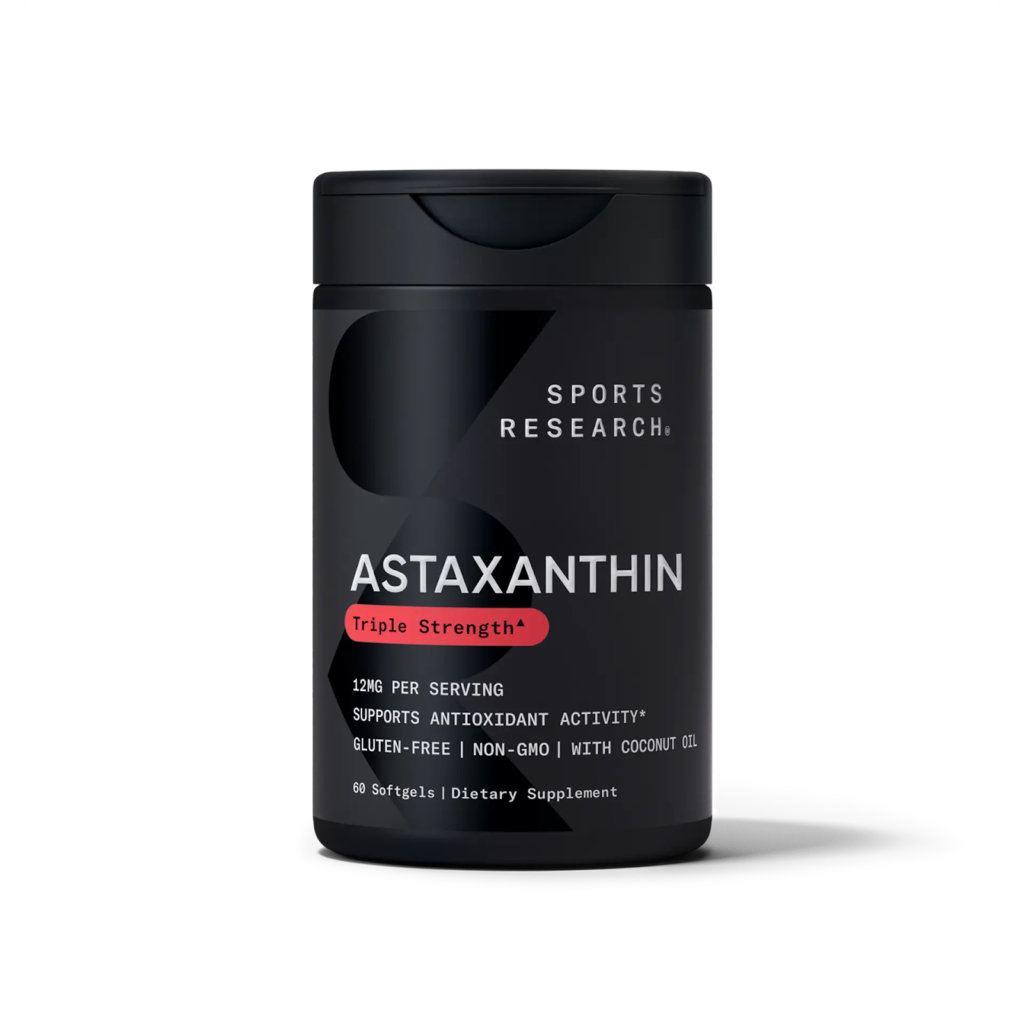
Overview
Sports Research is a long-standing supplement brand known for wellness and sports nutrition products. This formula provides 12 mg of algae-derived astaxanthin combined with organic coconut oil, which may help support absorption while keeping the product suitable for plant-based diets.
Strengths
- Vegan-friendly formula
- High absorption oil base
Considerations
- Minimal additional nutrients
- Bottle packaging
Doctor’s Comment
The patient reported a positive overall response after approximately 30 days of use, with improved well-being. She expressed intention to continue the supplement.
#4 Jarrow Formulas Astaxanthin — Best Long-Established Supplement Brand
Rating: 4.5/5 ★★★★☆
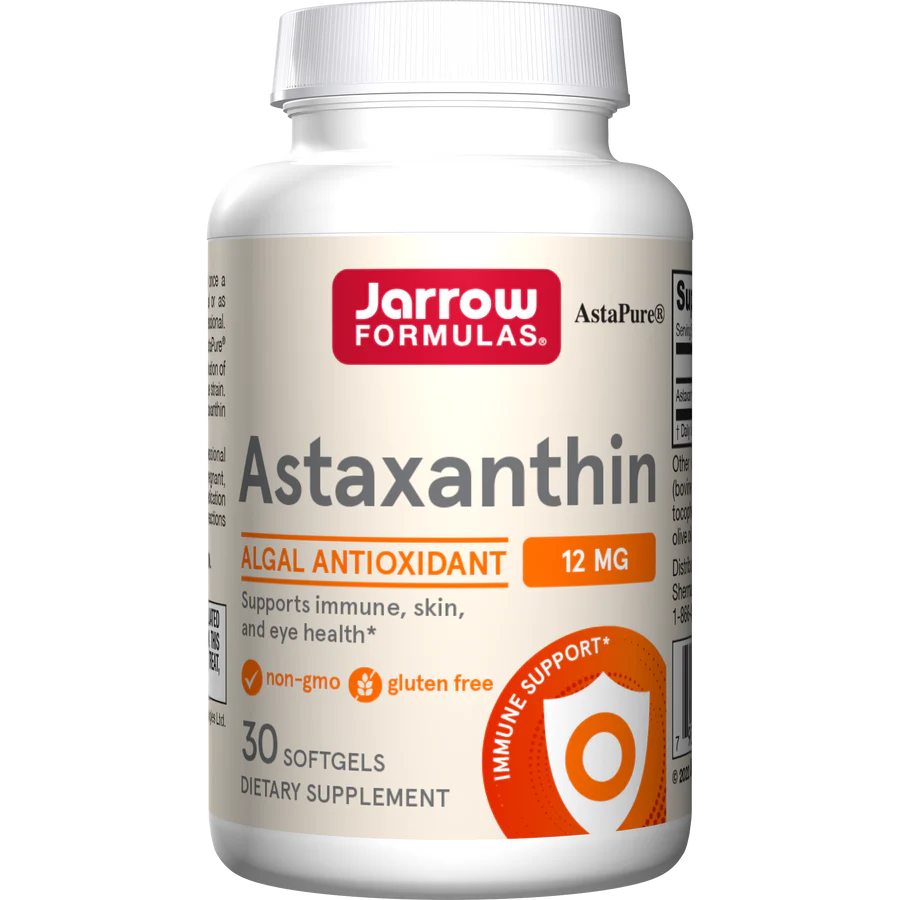
Overview
Jarrow Formulas is a respected supplement company known for research-based products and transparent ingredient sourcing. This formula provides 12 mg of AstaPure® astaxanthin in a simple, straightforward supplement designed for antioxidant and overall wellness support.
Strengths
- Long-established brand with strong industry credibility
- Reliable manufacturing standards
Considerations
- Outdoor algae cultivation may lead to variation
- Limited additional nutrients
- A pricey option compared to other single ingredients supplement
Doctor’s Comment
The patient expressed satisfaction with the product formulation, noting confidence in its quality due to minimal fillers and byproducts.
#5 Micro Ingredients Astaxanthin — Best Budget Option
Rating: 4.5/5 ★★★★☆
Overview
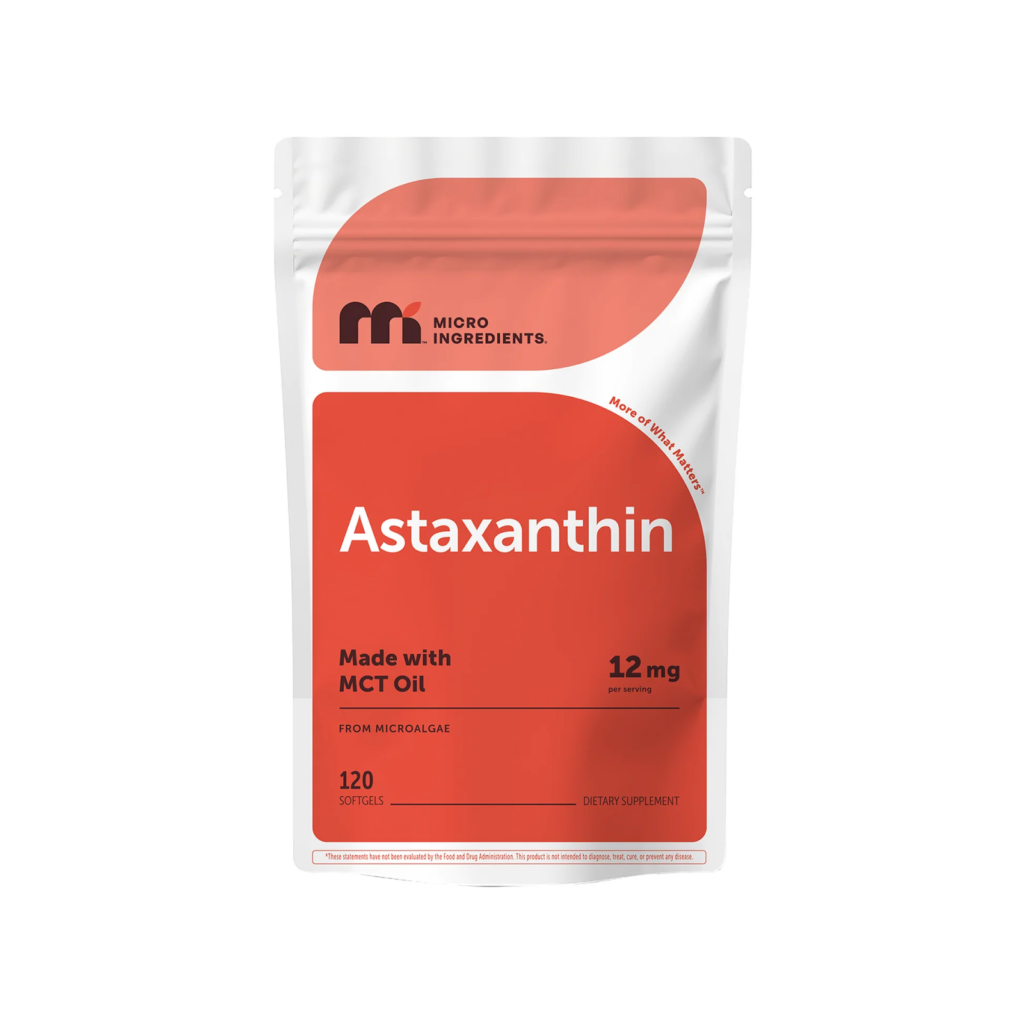
Micro Ingredients is a bulk-style supplement brand offering simple formulations at competitive pricing. The brand does not disclose its astaxanthin source, which may indicate use of a generic form, one possible reason for the product’s lower price point. This astaxanthin product provides 12 mg per serving in an oil-based softgel format packaged in a zipper bag for value-focused antioxidant support.
Strengths
- Cost-effective bulk option
- Includes MCT oil for absorption support
- Convenient for stocking up
- Simple formulation focused on astaxanthin
Considerations
- Zipper bag packaging may increase leakage or contamination risk
- Manufacturer sourcing may change periodically
- Limited transparency on raw material origin and testing
Doctor’s Comment
The patient used astaxanthin for management of floaters and pain. She reported good tolerability with no gastrointestinal adverse effects and found the formulation easy to administer
4. How These Supplements Were Evaluated
To rank the products in this guide, we applied a multi-factor evaluation framework used in clinical nutrition reviews.
1. Source of Astaxanthin
Natural astaxanthin derived from microalgae (Haematococcus pluvialis) was prioritized because it is the only form that gets tested in clinical trials. Synthetic astaxanthin have no evidence supported for human consumption.
2. Effective Dosage
Clinical studies typically use 6–12 mg daily, making this range the benchmark for evaluation.
3. Ingredient Transparency
Products were evaluated based on:
- clear ingredient labeling
- identifiable raw material sources
- disclosure of extraction methods
4. Manufacturing Quality
Important indicators included:
- regulatory approvals (e.g., NPN licensing)
- extraction methods such as supercritical CO₂ (solvent free)
- Closed environment cultivation technology
5. Supporting Nutrients
Formulas containing complementary nutrients for eye health, skin health, and cardiovascular protection received additional consideration.
5. What Is Astaxanthin and Why Doctors Are Interested
Growing clinical research suggests that astaxanthin may support several aspects of health, particularly eye comfort, cardiovascular markers, and skin protection. The following astaxanthin’s human clinical trials illustrate some of the potential benefits observed in controlled studies.
Vision Health 1
A 2025 randomized, double-blind, placebo-controlled clinical trial published in Advances in Therapy investigated the effects of astaxanthin supplementation on digital eye strain in children with high screen exposure.
The study included 64 children aged 10–14 years who spent at least four hours per day using digital devices. Participants took 4 mg of natural astaxanthin daily for 84 days.
Researchers observed:
- a 20% greater reduction in digital eye strain symptoms compared with placebo
- 27% lower visual fatigue scores
- improvements in stereopsis (depth perception) after visual tasks
- increased tear production, suggesting improved ocular surface comfort
The study concluded that astaxanthin supplementation significantly improved symptoms of computer vision syndrome and visual performance, with no safety concerns reported.
Heart and Metabolic Health 2
Astaxanthin has also been studied for its potential benefits in supporting cardiometabolic health.
A 2024 randomized, double-blind, placebo-controlled clinical trial published in the Journal of the International Society of Sports Nutrition evaluated the effects of 12 mg astaxanthin daily for 4 weeks in 15 male career firefighters.
Researchers observed several improvements compared with placebo:
- reduced inflammatory response following maximal exercise testing
- attenuation of increases in interleukin-1β, cortisol, and uric acid after fire-suppression activities
- improved physiological resilience to physically demanding occupational stress
The findings suggest that astaxanthin supplementation may help mitigate inflammation and oxidative stress associated with high-intensity physical workloads.
These effects highlight astaxanthin’s potential role as a supportive nutritional antioxidant for performance and cardiometabolic stress management.
Skin Protection and Anti-UV Effects 3
Astaxanthin has also attracted interest for its potential photoprotective and cosmetic skin benefits.
A 2026 randomized, placebo-controlled, double-blind clinical trial published in the Journal of Functional Foods evaluated the effects of 6 mg astaxanthin daily for 8 weeks in 44 healthy adults.
Researchers observed several improvements compared with placebo:
- increased minimal erythema dose (MED), indicating stronger resistance to UV-induced skin redness
- improved skin moisture balance and reduced transepidermal water loss
- improvements in subjective hair dryness
The findings suggest that even relatively low-dose astaxanthin supplementation may provide protective effects against UV-related skin stress while supporting skin hydration and cosmetic appearance.
These combined effects make astaxanthin one of the most promising nutritional antioxidants for healthy aging.
6. How Much Astaxanthin Should You Take?
Most research suggests effective daily doses between:
4 mg – 12 mg per day
Typical clinical observations:
- 4–6 mg → general antioxidant support
- 6–12 mg → eye and skin health benefits
- 12 mg+ → athletic recovery and anti-inflammatory support
However, dosage may vary depending on body weight, diet, and individual health needs.
Always consult a healthcare professional before beginning supplementation.
7. Natural vs Synthetic Astaxanthin
Not all astaxanthin supplements are identical.
Natural Astaxanthin
Usually derived from Haematococcus pluvialis microalgae.
Advantages:
- stronger antioxidant activity
- used in most clinical trials
- better bioavailability
Synthetic Astaxanthin
Often used in fish farming and animal feed.
Differences:
- different molecular structure
- generally not used in human supplements
For human supplementation, most doctors recommend natural algae-derived astaxanthin.
8. Who May Benefit Most From Astaxanthin
Certain populations may experience the most benefit from supplementation.
Heavy Screen Users
Individuals who spend long hours on computers may benefit from improved ocular blood flow and reduced eye fatigue. 1
Athletes
Astaxanthin may support recovery by reducing oxidative stress during intense exercise.4
Adults Concerned About Skin Aging
Antioxidant protection may help maintain skin hydration and elasticity. 3
Cardiovascular Health Support
Astaxanthin may help reduce inflammation and support circulation. 2
9. Frequently Asked Questions
Is astaxanthin safe?
Astaxanthin is generally considered safe when taken in recommended amounts. However, pregnant or breastfeeding individuals should consult a physician before using supplements.
How long does astaxanthin take to work?
Many people report noticeable benefits within 2–6 weeks, particularly for eye fatigue or skin hydration.
Can astaxanthin improve vision?
Research suggests it may help reduce eye strain and improve retinal blood flow, though it should not replace medical treatment for eye diseases.
Author Bio
Dr. Alex Morgan, MD, PhD
Dr. Morgan is a physician and nutrition researcher based in Vancouver, BC, specializing in preventive medicine and nutraceutical science. With over 15 years of experience evaluating dietary supplements and antioxidant therapies, Dr. Morgan is dedicated to translating emerging scientific evidence into clear, practical guidance for individuals seeking informed and effective wellness strategies.
Reference
- Hecht, K. A., Marwah, M., Wood, V., Nishida, Y., Bach, A. E., Gerson, J., Hom, M. M., Schnackenberg, J., Raote, S., Srivastava, S., Negi, P. & Caston, E. Astaxanthin (AstaReal®) improved acute and chronic digital eye strain in children: a randomized double-blind placebo-controlled trial. Adv. Ther. 42, 1811–1833 (2025).
- Gonzalez, D. E. et al. Impact of astaxanthin supplementation on markers of cardiometabolic health and tactical performance among firefighters. J. Int. Soc. Sports Nutr. 21, (2024).
- Sekikawa, T. et al. Anti-ultraviolet effects of astaxanthin derived from Haematococcus pluvialis microalgae on the skin, hair, and nails of Japanese people: a randomized, placebo-controlled, double-blind, parallel-group comparative study. J. Funct. Foods (2026).
- Wang, J., Wu, L., Dai, Z. & Bai, R. Effects of different doses of astaxanthin on indicators of muscle damage after acute exhaustive exercise: a randomized controlled study. Sci. Sports 40, (2025).
Other Articles You May Find of Interest...
- The Best Astaxanthin Supplements for Eye, Skin, and Heart Health — Doctor’s 2026 Guide
- Fenbendazole, Supplement Quality, and the Importance of Purity in Wellness Products
- Unlocking the Benefits of Spermidine for Your Health
- Exploring the Health Benefits of Thaumatin for a Balanced Diet
- Discover the Health Benefits of Omega 9 for a Balanced Diet
- How Gut Health Supplements May Support Mental Wellness
- Essential Supplements to Support Fatty Liver Health



