






Your Health Magazine
4201 Northview Drive
Suite #102
Bowie, MD 20716
301-805-6805
More Supplements Articles
Fenix Health Science Builds a Niche in Brain-Focused Nutrition
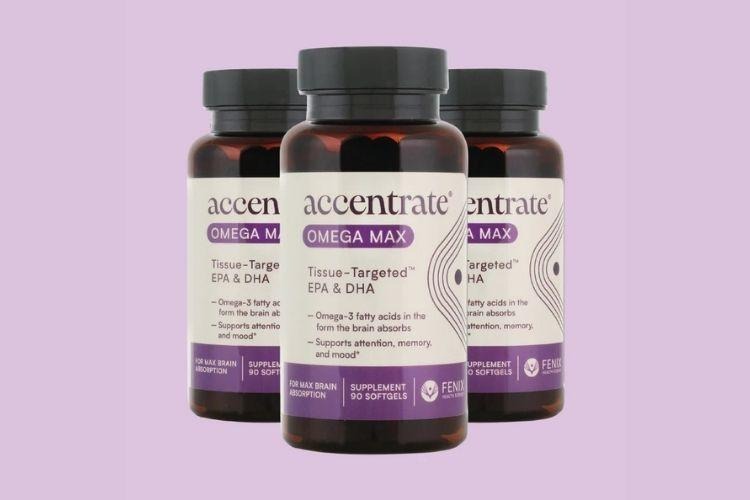
As interest in cognitive health grows, supplement companies are under pressure to show how their products differ from standard multivitamins and generic fish oils. Fenix Health Science, founded in 2018 in Fort Worth, Texas, is one of several brands trying to meet that demand through targeted formulations rather than broad wellness claims. The company focuses on nutritional supplements and diagnostic tools designed to support cognitive and emotional health in children and adults, with most products sold under the Accentrate® name. Its market position is built around brain-focused nutrient delivery, modular supplementation, and a growing emphasis on genetics-informed nutrition.
A Formulation Strategy Built Around Brain Delivery
Fenix Health Science’s biggest differentiator is its Omega collection, which includes Omega, Omega 110, and Omega Max. These products, available on https://www.fenixhealthscience.com/, feature Lysoveta™, a form of omega-3 known as lysophosphatidylcholine, or LPC. According to the company, LPC is recognized by the MFSD2A receptor, which plays a key role in transporting specific fats across the blood-brain barrier.
That mechanism matters because DHA is heavily concentrated in the brain. Neurologist and author David Perlmutter, MD, has written that “DHA represents over 90% of all the omega-3 polyunsaturated fatty acids in the brain, and further, it’s 10 to 20% of all the brain’s fat.” Fenix says its use of Lysoveta is intended to improve how much omega-3 reaches neural tissue compared with standard fish oil, which the brand says is often distributed more broadly through the body.
The company describes this feature as a major reason it can distinguish itself in a crowded supplement market. Rather than competing as another fish oil label, Fenix positions its omega products around bioavailability to the brain. This has become central to its broader identity as a science-led brand focused on cognitive and emotional function.
A Modular Product System Instead of a Single Formula
Another notable shift in the company’s strategy is its transition from an all-in-one supplement to a modular system. Under that model, the product line is divided into Omega, Neuro, and Minerals collections, with most formulas offered in standard versions for people under 110 pounds and “110” versions for those over 110 pounds.
The Neuro collection includes Neuro, Neuro 110, and Neuro-X. These products contain what the company calls “Brain Ready™” vitamins, including active forms of B6, B12, and vitamin D3. The intent is to support neurotransmitter regulation with nutrients in forms the body can use more directly. The Minerals collection includes chelated magnesium, zinc, and iron, which are commonly used in formulations aimed at improving absorption.
This modular design addresses a common complaint in the supplement sector: one-size-fits-all formulations. By separating core nutrients into categories, Fenix allows families and adult users to build combinations around symptoms, age, and body weight rather than relying on a single broad formula.
Expansion Into Genetic Testing and Personalized Support
Fenix has also expanded beyond supplements into diagnostic and genetic services. These include APOE4 testing and MTHFR gene testing, both aimed at helping consumers identify whether common nutrient pathways may be affected by inherited variants.
The APOE4 test is intended for individuals concerned about Alzheimer’s risk and DHA metabolism. The brand’s positioning suggests that some users with APOE4 may not process standard DHA efficiently, making delivery form a relevant factor. The MTHFR test focuses on polymorphisms that can affect folate and B-vitamin metabolism. That connects directly to the company’s use of active vitamin forms in the Neuro line.
This genetics-based framing places Fenix within a broader healthcare trend toward personalization. Instead of marketing supplements only as general wellness products, the company increasingly describes them as tools for people with identifiable biological differences. That is also reflected in its customer base, which includes parents, adults seeking mental clarity, and medical professionals interested in adjunctive nutrition strategies.
The company’s educational materials reinforce this emphasis. Blogs, videos, and white papers explain lipid metabolism, gene variants, and the rationale behind certain nutrient forms. In a market where product labels often offer little context, this educational layer functions as part of the brand’s service model.
Research Alignment and Adjunctive Care Positioning
Fenix does not present its products as replacements for medical treatment. Instead, it describes them as part of a broader care toolbox, a distinction that shapes how the brand talks to both caregivers and clinicians. This language also aligns with some of the research cited in connection with its product categories.
Researchers at Oregon Health & Science University concluded that “there is sufficient evidence to consider omega-3 fatty acids as a possible supplement to established therapies” in ADHD. A GrassrootsHealth review reported that omega-3 research has shown improved general cognitive performance, attention, and processing speed with EPA and DHA, along with improved memory function with DHA. Separate meta-analysis findings have also associated vitamin D supplementation with decreased ADHD symptoms, including lower hyperactivity and inattention in children.
These findings do not establish any single product as a treatment. They do, however, help explain why brands in this category increasingly focus on targeted nutrients rather than broad wellness claims. Fenix’s product mix reflects that shift. In addition to omega, vitamins, and minerals, the company offers a probiotic with six clinically backed strains designed to support the gut-brain axis for mood and concentration.
Growth, Manufacturing, and Market Position
Fenix Health Science reports that it averaged about $1.8 million in annual gross sales over a five-year period before entering a phase of faster organic growth. That growth has coincided with several operational changes. The company moved manufacturing fully into the United States after dealing with customs-related inventory delays, a shift intended to improve supply reliability and reduce exposure to import disruptions.
At the same time, Fenix has expanded distribution through its direct-to-consumer site and Amazon, while also broadening its catalog to include gummies, gene tests, and a developing vision-focused collection. Its partnership with Aker BioMarine, described as the world’s largest krill oil supplier, has also shaped its supply and ingredient story. In August 2023, the FDA approved the New Dietary Ingredient submission for Lysoveta, verifying the ingredient’s safety for supplement use.
Within the broader supplement industry, Fenix remains a niche player rather than a mass-market brand. Still, its model reflects a wider industry movement toward science-based differentiation, personalized nutrition, and category specialization. As cognitive health, neurodivergence, and genetic risk become more prominent consumer concerns, that positioning may continue to define the company’s role in the market.
Other Articles You May Find of Interest...
- Glycopezil Reviews – Is It Worth Trying? Ingredients, Benefits & Side Effects
- Unlocking the Benefits of Supplement Phosphate for Optimal Health
- Optimal Methods for Taking Panplex 2-Phase for Maximum Benefits
- Do Iron Supplements Lead to Constipation? Discover the Facts
- Boost Your Health with Calcium D-Glucarate Benefits
- Can Magnesium Help Manage ADHD Symptoms Effectively?
- Boost Your Iron Levels Naturally with Ferritin Supplements?



