






Your Health Magazine
4201 Northview Drive
Suite #102
Bowie, MD 20716
301-805-6805
More Supplements Articles
Are Greens Powders Safe for Pregnancy and Nursing?
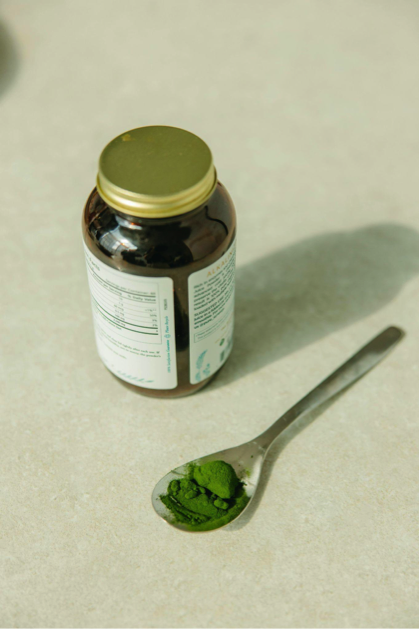
Pregnancy and breastfeeding have a way of making people re-evaluate everything they put in their bodies. Foods you never questioned suddenly feel worth double-checking. Supplements especially.
Greens powders fall into that gray area. They’re marketed as convenient, “all-in-one” nutrition boosters, but pregnancy and nursing aren’t times when convenience automatically equals safe.
So, are greens powders okay during pregnancy or while breastfeeding? The honest answer is: sometimes — but it depends heavily on the formula.
Why Greens Powders Can Be Tricky During Pregnancy
On the surface, greens for breastfeeding mothers look harmless. They’re made from vegetables, fruits, and plant extracts. Things you’re already encouraged to eat.
The issue is concentration.
A scoop of greens powder can contain the equivalent of several cups of produce, plus herbs, extracts, enzymes, and additives that you’d never eat in that amount from whole foods. During pregnancy or lactation, that concentration matters.
Some ingredients that are fine in small, food-based amounts become questionable once they’re dried, concentrated, and taken daily.
Whole Foods vs. Powders: Not the Same Thing
Eating spinach in a salad isn’t the same as taking spinach extract in powder form. The same goes for herbs like dandelion, turmeric, or ginger.
Whole foods come with fiber, water, and natural limits on portion size. Powders remove those limits. That’s not automatically bad, but it changes how your body processes them.
During pregnancy and breastfeeding, your body is already under more demand. Adding highly concentrated ingredients without knowing exact doses can create unnecessary risk.
Ingredients That Raise Red Flags
This is where reading the label becomes essential.
Some greens powders include herbs that are commonly discouraged during pregnancy or nursing, especially in concentrated forms. These can include things like:
- Certain adaptogens
- Detox herbs
- Hormone-influencing plants
- Stimulants hidden as “natural energy blends”
Caffeine is another big one. Even if it’s plant-based, it still counts. Green tea extract, matcha, yerba mate, or guarana can push caffeine intake higher than expected, especially when paired with coffee or tea.
Sweeteners deserve attention too. Sugar alcohols, artificial sweeteners, or overly aggressive “natural” flavor systems can cause digestive issues — something many pregnant and postpartum people are already dealing with.
A Label-Reading Checklist That Actually Helps
Instead of focusing on marketing claims, look for specifics.
Ask yourself:
- Does the label list every ingredient, or does it rely on “proprietary blends”?
- Are herbs named clearly, or grouped vaguely?
- Is caffeine listed with an amount, or implied?
- Are dosages provided, or left unclear?
- Is there third-party testing or quality verification?
If you can’t tell what something is or why it’s included, that’s usually a sign to pause.
Dose Matters More Than Most People Think
Even a well-formulated greens powder can become a problem if it’s overused.
Many people assume more equals better, especially when nutrition is involved. During pregnancy and nursing, that mindset can backfire — particularly when supplements are used to replace balanced food choices like high fiber protein meals.
Some nutrients and compounds are meant to be supportive, not stacked. Taking multiple scoops daily, combining powders with prenatal vitamins, or layering supplements can lead to excess intake without realizing it.
This is one of the main reasons healthcare providers tend to be cautious about supplements during these stages.
The Importance of Third-Party Testing
Pregnancy-safe isn’t just about ingredients. It’s also about quality.
Third-party testing helps verify that what’s on the label is actually what’s in the product — and that it’s free from contaminants like heavy metals or undisclosed additives.
This matters even more for powdered supplements, which can be more vulnerable to quality issues during processing.
Transparency here isn’t optional. It’s part of basic safety.
When to Ask an OB-GYN or IBCLC
If a greens powder is marketed as suitable for pregnancy or breastfeeding, that doesn’t replace professional guidance.
It’s worth asking:
- Your OB-GYN during pregnancy
- An IBCLC or healthcare provider during lactation
This is especially important if you:
- Have a high-risk pregnancy
- Are dealing with nausea, anemia, or digestive issues
- Take prescription medications
- Are breastfeeding a newborn or premature infant
A quick check-in can prevent a lot of guesswork.
So, Are Greens Powders Worth It?
For some people, a thoughtfully formulated greens powder can be a helpful supplement — not a replacement for real food, but a backup on days when nutrition feels harder to manage.
For others, focusing on whole fruits, vegetables, and prenatal nutrition may be the better option.
The key is knowing what’s in the scoop, how concentrated it is, and whether it makes sense for your body during this specific phase of life.
Pregnancy and breastfeeding already demand enough from you. Anything you add should make things clearer and easier — not more complicated.
Other Articles You May Find of Interest...
- How Gut Health Supplements May Support Mental Wellness
- Essential Supplements to Support Fatty Liver Health
- Are There Hidden Sea Moss Side Effects You Should Know About?
- How Gym Supplements Can Take Your Training to the Next Level
- Building a Health Routine That Actually Sticks By Swansonvitamins
- Recognizing the Warning Signs of Vitamin A Overdose Symptoms
- Cacao Powder for Circulation Support and Long-Term Heart Wellness



