






Sleep Better Maryland
Sleep Better Maryland
12620 Clarksville Pike
Suite A
Clarksville, MD 21029
443-535-6989
More Sleep Apnea Articles
The Silent Connection: How Sleep Apnea Affects Your Heart, Brain, and Metabolism
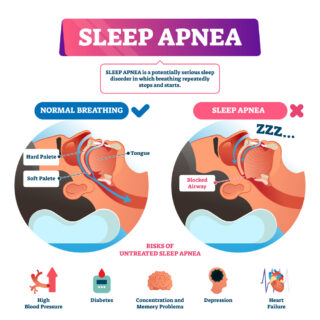
Sleep apnea is far more than loud snoring or restless nights. It is a chronic medical condition with systemic consequences that extend well beyond fatigue. Obstructive sleep apnea (OSA), the most common form, occurs when the airway repeatedly collapses during sleep, causing brief interruptions in breathing. These episodes can happen dozens—or even hundreds—of times per night, silently stressing the heart, brain, and metabolic system.
The Heart: Repeated Oxygen Deprivation
Each time breathing stops, oxygen levels drop and carbon dioxide levels rise. The body responds with a surge of stress hormones, including adrenaline, which increases heart rate and blood pressure. Over time, this repeated cycle contributes to sustained hypertension, even during waking hours.
Untreated sleep apnea is strongly associated with cardiovascular disease, including coronary artery disease, heart rhythm disorders such as atrial fibrillation, heart failure, and increased risk of stroke. The intermittent oxygen deprivation and inflammation place chronic strain on blood vessels and cardiac tissue, accelerating vascular damage. For many patients, resistant high blood pressure is the first red flag that sleep apnea may be present.
The Brain: Cognitive and Emotional Impact
The brain is highly sensitive to oxygen fluctuations. Repeated nighttime oxygen drops impair restorative sleep stages, particularly deep and REM sleep, which are critical for memory consolidation and emotional regulation.
Patients with untreated sleep apnea often report difficulty concentrating, brain fog, memory lapses, and reduced productivity. Over time, chronic sleep fragmentation has been linked to increased risk of mood disorders, including depression and anxiety. Emerging research also suggests that untreated sleep apnea may increase long-term risk of cognitive decline and dementia due to ongoing oxidative stress and impaired cerebral blood flow.
Daytime drowsiness is more than an inconvenience—it significantly increases the risk of motor vehicle accidents and workplace errors.
Metabolism: The Hidden Hormonal Disruption
Sleep plays a foundational role in metabolic regulation. Disrupted sleep alters insulin sensitivity, increases cortisol levels, and interferes with appetite-regulating hormones such as leptin and ghrelin. The result is increased hunger, cravings for high-carbohydrate foods, and weight gain.
There is a well-established bi-directional relationship between sleep apnea and obesity. Excess weight increases airway collapse risk, while untreated sleep apnea promotes metabolic dysfunction and fat storage. Sleep apnea is strongly associated with insulin resistance and type 2 diabetes. Even in non-obese individuals, untreated OSA can impair glucose metabolism.
Other Articles You May Find of Interest...
- The Silent Connection: How Sleep Apnea Affects Your Heart, Brain, and Metabolism
- Unlocking the Secrets of ICD 10 Sleep Apnea Codes
- Is Sleep Apnea Hereditary and What You Need to Know?
- Improving Sleep Hygiene to Manage Sleep Apnea Effectively
- Unlocking the Secrets of Obstructive Sleep Apnea: What’s the ICD 10 Code?
- Recognizing the Signs of Sleep Apnea: Do You Have It?
- Can Sleep Apnea Lead to Unwanted Weight Gain?




