






More Sexual Health Articles
Exploring the Causes and Treatments of Kissing Lesions
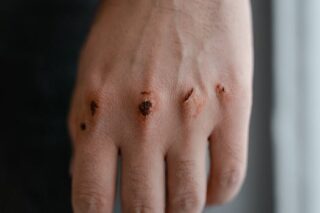
Imagine waking up one morning to discover your skin has an unusual mark that resembles a small bruise or patch. These noticeable spots, often referred to as kissing lesions, might seem alarming, especially when their cause isn’t evident. Understanding what these lesions are and what might contribute to their development can offer some peace of mind.
Kissing lesions can be found in various parts of the body. They often occur in pairs or clusters and might appear as symmetrical marks on opposing surfaces of the skin. While these lesions are commonly associated with certain health conditions, they can sometimes be mistaken for other skin issues.
Exploring Kissing Lesions
The term “kissing lesion” is often used to describe lesions that develop on surfaces of the body that come into frequent contact with each other. For instance, these lesions can occur on the inner surfaces of the thighs, buttocks, or even within the folds of the skin. They tend to appear as red or purple marks and can be a result of friction or pressure.
In some cases, kissing lesions are associated with certain chronic conditions. For example, inflammatory skin conditions like psoriasis or eczema can lead to the development of these symmetrical lesions. Infectious diseases that affect the skin can also cause similar marks to appear.
Contributors to Kissing Lesions
Kissing lesions can arise from a variety of factors. While skin-on-skin contact is a common cause, other contributing factors include skin irritants, underlying medical conditions, and infections. Those with sensitive skin might find themselves more prone to developing these lesions, especially in areas where there is regular friction.
Managing these lesions typically involves addressing the underlying causes. For cases where an infection is present, medical treatment may be necessary. Additionally, those with chronic skin conditions might require ongoing care to prevent recurrence.
When to Seek Care
It’s important to consult a healthcare provider if you notice persistent or worsening lesions on your skin. If the lesions appear suddenly, cause significant discomfort, or do not improve with basic self-care measures, seeing a doctor is advisable. Dermatologists specialize in skin conditions and can offer insights into the cause of these lesions and recommend suitable treatments.
For individuals with conditions that may compromise the immune system, such as HIV/AIDS, understanding skin symptoms is particularly essential. Addressing these symptoms early can lead to more effective management. For more on related conditions, consider visiting innovative approaches in AIDS awareness.
Managing and Treating Lesions
Treating kissing lesions effectively depends on their underlying cause. For lesions stemming from skin friction, minimizing contact and using soothing creams can aid healing. Avoiding known irritants and wearing loose-fitting clothing can also support recovery.
For those with underlying skin conditions, regular use of topical treatments or prescribed medications might be necessary. Ensuring adequate skin hydration and protecting the skin from excessive sun exposure can also be beneficial.
Considering Medication Interactions
Sometimes, changes in medication can influence the skin’s response. Always discuss potential side effects or reactions with a healthcare provider when starting a new prescription. If you notice skin changes after beginning a new medication, it’s important to inform your healthcare provider. They can determine whether the dosage needs adjustment or if an alternative treatment might be more suitable.
Questions to ask your doctor might include whether it’s safe to taper off a previous medication, what signs to look for that indicate an adverse reaction, and whether any lifestyle changes could help ease symptoms.
Common Questions
What should I do if I notice a new kissing lesion?
If you observe a new kissing lesion, keep an eye on its progression. Note any new symptoms and consider consulting a dermatologist if self-care interventions fail to improve its appearance within a few days.
Can kissing lesions be prevented?
In many cases, prevention is tied to reducing friction on the skin and managing existing skin conditions. Wearing breathable fabrics and moisturizing regularly can help protect sensitive skin areas susceptible to lesions.
What is the link between chronic illnesses and kissing lesions?
Certain chronic illnesses, particularly those involving skin inflammation, can increase the risk of kissing lesions. Conditions such as autoimmune disorders and infections that alter skin integrity may contribute to lesion development.
Should I be concerned about skin changes with new medications?
It is always wise to be alert of any new skin changes when starting a new medication. Discuss any concerns with your doctor, who can provide guidance based on your health history and the specific medication involved.
Do kissing lesions always indicate a serious health problem?
Not necessarily. In many cases, they are benign and related to physical irritation. However, if they persist or are accompanied by other symptoms, they should be evaluated by a healthcare provider to rule out underlying conditions.
Ultimately, the presence of a kissing lesion may simply be a minor inconvenience, or it might signal the need for medical evaluation. Understanding the potential causes can provide context for these skin changes. For more general health information, explore resources at Wikipedia Health.
- Kissing lesions often result from skin-on-skin contact or friction.
- They can be associated with conditions like psoriasis or eczema.
- Consult a dermatologist for persistent or painful lesions.
- Changes in medication may cause skin reactions; observe and report them.
- Prevention involves managing friction and chronic conditions.
Other Articles You May Find of Interest...
- How to Use a Couples App to Talk About Sex and Intimacy
- Why Does My Erection Go Away So Fast?
- Does Spermicide Cause Yeast Infections?
- Which STDs Show Up on a Blood Test, and Which Don’t
- IUD vs. the Pill: Choosing What Fits Your Life
- Choosing a Dildo: Materials, Size, Compatibility, and Safer Use
- Gay Dating Sites Compared: Features, Community and Safety





