






Your Health Magazine
4201 Northview Drive
Suite #102
Bowie, MD 20716
301-805-6805
More Senior Health Articles
Why Do Bed-Bound Individuals Need Regular Repositioning?
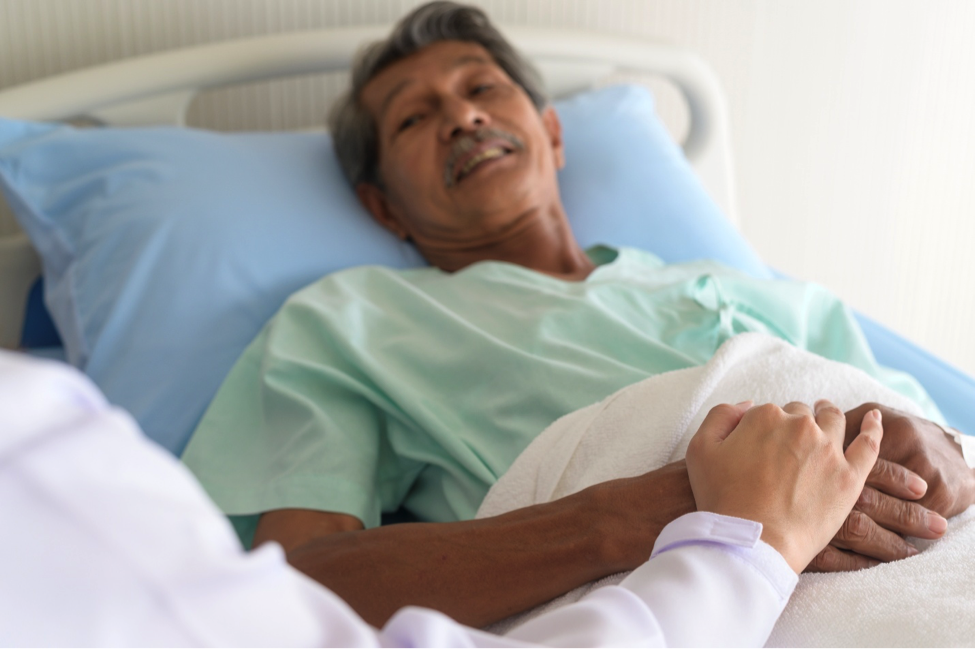
Source: vecteezy
When someone is bed-bound, staying in one spot for too long does more than just cause a bit of stiffness; it actually starts to harm the body’s internal systems. We’re talking about slowed blood flow, skin damage, and even trouble breathing.
Since these individuals can’t just move when they get uncomfortable, they’re entirely dependent on a caregiver’s help. It’s a big responsibility. Learning how caregivers should handle repositioning is important because, the right technique stops a dozen problems before they even start.
Why Is Repositioning Important for Bed-Bound Individuals?
Regularly changing positions helps reduce damage to the skin, muscles, lungs, and joints. It’s probably the single most effective way a caregiver can prevent complications.
Prevent Pressure Sores
Pressure sores are a nightmare, and they happen because blood flow to the skin gets choked off by constant weight. The Agency for Healthcare Research and Quality says about 2.5 million people in the U.S. develop these ulcers every year. Most of those individuals are people who’ve had to stay in bed for long stretches.
Regular repositioning is like hitting a reset button; it lets the blood flow again and keeps the skin from breaking down.
Improve Circulation
Your body needs a steady circulation of blood. It’s how oxygen and nutrients get where they need to go. But when you lie in the same spot for hours, circulation gets sluggish. That slowdown leads to swelling, numbness, and eventually, real damage.
Moving the person helps “wake up” the blood flow. Even a small adjustment, like a slight turn to the side, makes a massive difference for their circulation.
Prevent Contractures
Contractures are what happen when muscles and joints get “stuck” from sitting still. If they aren’t moved, those joints can actually lose their ability to move at all.
It’s a tough situation because once a joint stiffens up, daily care becomes much more painful for the patient. It might even make it impossible for them to sit up or get comfortable. Regular movement keeps the joints “oiled” and the muscles flexible.
Enhance Respiratory Function
Repositioning goes a long way to improve breathing, according to research by the NIH When someone lies flat on their back all day, their lungs can’t really expand the way they should. Their oxygen levels become limited.
Changing positions cuts down the risk of lung complications such as pneumonia. Even when done slightly, it causes the lungs to open up. This keeps the airways clear and makes every breath a little easier.
Protect Joints and Muscles
Long periods of stillness put a real strain on the shoulders, hips, and knees. They get sore, stiff, and just plain hurt.
When you reposition someone, you’re distributing that weight more evenly. It stops the pain from “pooling” in one spot. Using a few support pillows or cushions is a great trick too.
They help keep the body aligned so the muscles can actually relax for once.
How Often Should Bed-Bound Residents Be Repositioned?

Source: vecteezy
The gold standard for most healthcare pros is every two hours. It’s a good rhythm that keeps pressure from hitting the “danger zone.”
That said, some people are more fragile than others. You might find you need to move someone more often if their skin is sensitive or if they have certain health conditions.
Caregivers should constantly follow the advice of healthcare professionals when creating a repositioning schedule.
Final Thoughts
Repositioning someone might seem like a small, repetitive chore, but it’s actually a huge deal for their health. It prevents the kind of complications that turn into real emergencies if they’re ignored.
By regularly changing position, you’re making life safer and a whole lot more comfortable for someone who can’t do it for themselves. It’s simple, but it’s essential.
Key Takeaways
- Bed-bound individuals repositioning to avoid some pretty serious health hurdles.
- Repositioning keeps the skin safe and stops those dreaded pressure sores.
- It gets the blood pumping properly throughout the whole body.
- Repositioning stops joints from locking up and muscles from getting too stiff.
- Changing positions actually helps the lungs work better.
- Experts usually suggest repositioning to be done every two hours.
Other Articles You May Find of Interest...
- How Senior Living Options Support Health and Well-Being
- How the Timed Up and Go Test Can Assess Mobility and Prevent Falls
- When Do You Start Feeling Tired and Old? Exploring Age-Related Fatigue
- Navigating the Challenges of MRONJ in Oral Health Management
- When a Veteran with Dementia Needs 24-Hour Home Care
- Protein and Weight Management
- What You Need to Know About Pleva and Its Impact on Skin Health




