






Your Health Magazine
4201 Northview Drive
Suite #102
Bowie, MD 20716
301-805-6805
More Senior Health Articles
Why Chronic Wounds Are Exploding Among Seniors: Causes, Risks & Treatment Advances
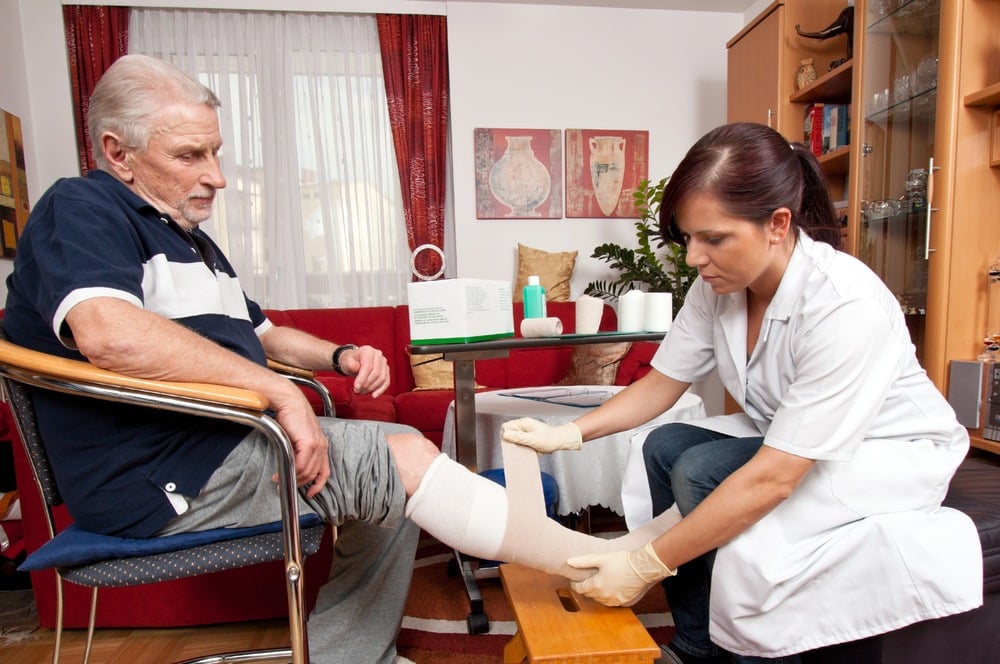
Chronic wounds are becoming one of the most rapidly growing—and most dangerous—health challenges facing America’s aging population. As life expectancy increases and chronic diseases become more prevalent, the number of adults over 65 developing chronic wounds has surged. These wounds are painful, difficult to manage, and often hidden until they become infected or life-threatening.
Understanding the chronic wound meaning, how they develop, why they fail to heal, and what treatment options exist is essential for caregivers, healthcare providers, and older adults themselves.
This article provides a clear explanation of the definition of chronic wounds, how they differ from acute wounds, why they’re spreading so quickly among seniors, and the most effective methods for chronic wound therapy and long-term care.
What Is the Definition of Chronic Wounds?
A chronic wound is any wound that fails to progress through the normal stages of healing within the expected timeframe—typically 4 to 6 weeks. While acute wounds move quickly through the healing phases, chronic wounds become “stuck,” leading to prolonged open areas, inflammation, infection, and tissue damage.
Define Chronic Wound
A chronic wound is defined as:
A wound that does not heal in an orderly, timely manner, and shows no significant improvement after several weeks of appropriate care.
Common examples include:
- Diabetic foot ulcers
- Venous leg ulcers
- Arterial ulcers
- Pressure ulcers (bedsores)
- Chronic non-healing surgical wounds
These wounds often require specialized care and ongoing monitoring.
Acute Wounds vs Chronic Wounds
Understanding acute wounds vs chronic wounds is the foundation of accurate diagnosis and treatment.
Acute Wounds
- Caused by trauma, cuts, burns, or surgery
- Heal predictably within days or weeks
- Follow a normal healing timeline
- Usually respond well to basic wound care
Chronic Wounds
- Caused by underlying health issues
- Fail to follow the normal healing process
- Persist for months or years
- Often complicated by poor circulation, diabetes, or infection
- Require specialized chronic wound management
Why Chronic Wounds Are Surging Among Seniors
The rise in chronic wounds among older adults is not random—it’s driven by multiple overlapping health and lifestyle factors.
Here are the key reasons chronic wounds are becoming far more common:
1. Diabetes Rates Are Higher Than Ever
Diabetes significantly increases the risk of chronic non-healing wounds, especially in the feet. High blood sugar damages nerves and blood vessels, reducing sensation and circulation. Seniors may not feel a blister or cut until it becomes infected or ulcerates.
2. Poor Circulation and Vascular Disease
Peripheral artery disease (PAD) and venous insufficiency are extremely common in older adults. Reduced blood flow slows the delivery of oxygen and nutrients needed for healing.
This leads to:
- Venous leg ulcers
- Arterial ulcers
- Tissue breakdown
- Recurrent infections
3. Immune System Decline With Age
The immune system naturally weakens over time, reducing the body’s ability to fight infection or repair damaged tissue. As a result, even minor cuts become difficult to heal in older adults.
4. Mobility Limitations Increase Pressure Ulcers
Seniors with limited mobility—especially those who use wheelchairs or are bedridden—are at high risk for chronic pressure ulcers. These develop on pressure points like:
- Heels
- Hips
- Tailbone
- Shoulders
Without early intervention, these wounds become chronic and dangerous.
5. Multiple Chronic Diseases Slow Healing
Conditions such as:
- Heart disease
- Kidney disease
- Obesity
- Neuropathy
- Arthritis
all contribute to slower healing and higher complication rates.
6. Malnutrition and Dehydration Are Quiet Contributors
Many seniors don’t consume enough protein, vitamins, or fluids—key elements needed for tissue repair. Poor nutrition is one of the most overlooked factors in chronic wound development.
7. Delayed Detection and Lack of Reporting
Older adults often fail to mention wounds until they become severe. Limited mobility, reduced vision, and fear of medical care can delay diagnosis and lead to infection.
Dangers of Chronic Non-Healing Wounds
Chronic non-healing wounds pose significant risks for seniors and must be taken seriously. Complications include:
- Severe infection
- Cellulitis
- Gangrene
- Osteomyelitis (bone infection)
- Amputation
- Sepsis
- Long-term disability
When wounds remain open, bacteria gain easy access to internal tissues, increasing the risk of life-threatening complications.

Chronic Wound Treatment Approaches
Effective chronic wound treatment requires targeted, multi-layered care. Treatment strategies should address both the wound itself and the underlying condition contributing to slow healing.
Here are the core methods used in modern wound care:
Wound Cleaning and Debridement
Removing dead tissue and bacteria is essential. Debridement may be:
- Surgical
- Enzymatic
- Mechanical
- Autolytic
This process stimulates healing and reduces infection risk.
Moisture-Balancing Dressings
Advanced dressings help maintain an optimal environment for healing. These may include:
- Hydrocolloids
- Hydrogels
- Foam dressings
- Alginate dressings
- Antimicrobial dressings
- Silver-infused products
Infection Management
Antibiotics (oral or topical) are often necessary. Labs may be used to identify bacteria and guide treatment.
Compression Therapy
For venous ulcers, compression wraps or stockings are essential to improve circulation and reduce swelling.
Blood Sugar Control for Diabetic Wounds
Tight glucose management drastically reduces the risk of infection and promotes healing in diabetic ulcers.
Offloading and Pressure Relief
Devices such as:
- Heel protectors
- Special mattresses
- Boot casts
- Wheelchair cushioning
help reduce pressure and prevent further tissue breakdown.
Advanced Chronic Wound Therapy Options
When standard treatments fail, advanced therapies may be required. These include:
Negative Pressure Wound Therapy (NPWT)
Also known as wound vac therapy, NPWT uses controlled suction to remove fluids and stimulate tissue growth.
Hyperbaric Oxygen Therapy (HBOT)
Increases oxygen delivery to tissues, improving cell regeneration and infection control.
Biological Skin Substitutes
Bioengineered skin products help close wounds that cannot heal on their own.
Regenerative and Growth Factor Treatments
These therapies encourage new tissue formation and speed up recovery.
Chronic Wound Management for Long-Term Success
Long-term chronic wound management focuses on preventing recurrence. Effective management includes:
- Regular wound evaluation
- Monitoring circulation
- Proper skin care routines
- Nutrition optimization
- Infection prevention
- Mobility support
- Custom footwear for diabetic patients
- Ongoing follow-up with a wound care specialist
The right specialist ensures wounds are treated comprehensively and safely.
Frequently Asked Questions (FAQ)
What is a chronic wound?
A chronic wound is an injury that does not heal within 4–6 weeks and shows stalled or incomplete healing.
What causes chronic wounds in seniors?
Common causes include diabetes, poor circulation, limited mobility, weakened immunity, poor nutrition, and delayed medical care.
What is the difference between acute wounds and chronic wounds?
Acute wounds heal quickly and predictably, while chronic wounds persist for months and require specialized care.
How are chronic non-healing wounds treated?
Treatment may include debridement, advanced dressings, antibiotics, compression therapy, nutritional support, and advanced wound therapies.
When should someone see a wound care specialist?
Any wound that does not improve within 2 weeks—or fully heal within 4–6 weeks—should be evaluated by a specialist to prevent complications.
Are chronic wounds dangerous?
Yes. They can lead to serious infections, hospitalization, disability, and even amputation if untreated.
Can chronic wounds be prevented?
Prevention includes proper skin care, blood sugar control, good nutrition, pressure relief, exercise, and early treatment of minor wounds.
Other Articles You May Find of Interest...
- Scheduling for Caregivers
- The Surprising Benefits of Tide Powder for Your Laundry and Home
- Understanding the Early Signs of Dementia: When Is It Time to Seek Professional Support?
- Discovering the Benefits of Cock Rock for Your Health
- Mastering the Full Can Test for Shoulder Health and Function
- What Families Should Prioritize When Comparing Long‑Term Care Options
- Dementia Care Challenges Nurses Face on Every Shift




