






Your Health Magazine
4201 Northview Drive
Suite #102
Bowie, MD 20716
301-805-6805
More Senior Health Articles
What Is Considered Abuse in Nursing Homes?
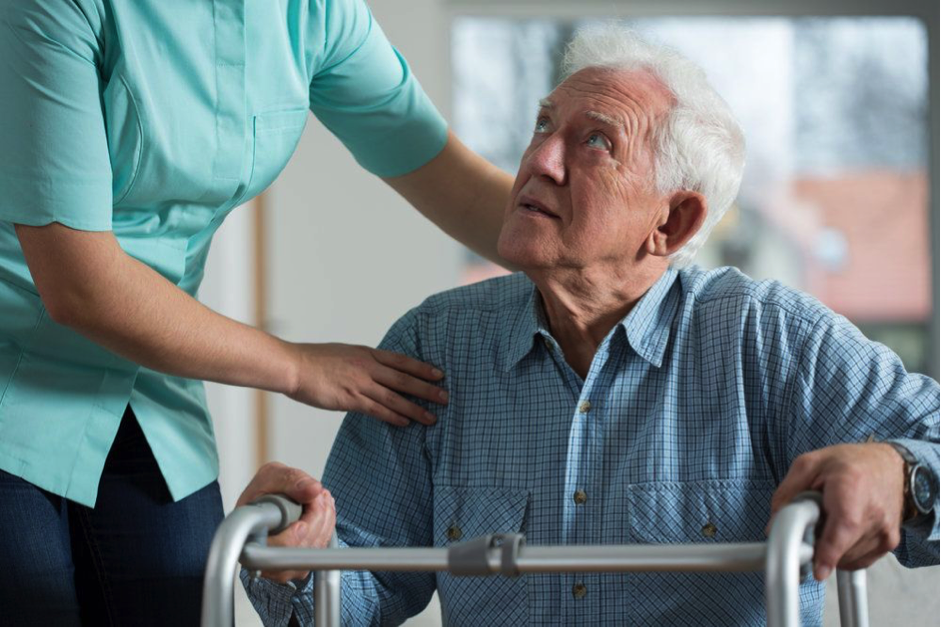
Louisville, Kentucky, is known for its rich history, vibrant culture, and caring communities. Many families in the area rely on nursing homes and long-term care facilities to provide professional care for their elderly loved ones. Unfortunately, not all nursing homes maintain the high standards necessary to ensure safety and dignity.
When residents experience mistreatment or neglect, the consequences can be devastating. In such cases, it is crucial to involve a Louisville nursing home abuse lawyer who can help protect the rights of vulnerable individuals and hold responsible parties accountable.
Nursing home abuse can take many forms, and understanding what constitutes abuse is essential for families, caregivers, and residents themselves. Recognizing the signs of mistreatment early can help prevent further harm and ensure the safety of loved ones.
Physical Abuse
Physical abuse in nursing homes involves the use of force that results in injury, pain, or impairment. Examples include hitting, slapping, pushing, or restraining residents unnecessarily.
Signs of physical abuse may include unexplained bruises, burns, fractures, or frequent injuries that do not align with the explanation given by staff. Physical abuse is not limited to intentional harm; excessive or inappropriate use of restraints and rough handling can also qualify as abuse.
Emotional and Psychological Abuse
Emotional abuse involves actions that cause mental anguish, fear, or emotional distress. Residents may be subjected to verbal insults, threats, humiliation, or intimidation by staff members or even other residents.
Consistent neglect of emotional needs, social isolation, or ignoring a resident’s attempts to communicate can also be considered psychological abuse. The effects can be long-lasting, contributing to depression, anxiety, and diminished overall health.
Sexual Abuse
Sexual abuse in nursing homes includes any non-consensual sexual contact or behavior directed toward a resident. This can involve inappropriate touching, sexual assault, or exploitation. Victims may feel embarrassed or afraid to report the abuse, making it critical for family members and caregivers to be vigilant and aware of potential warning signs, including unexplained injuries, sudden changes in behavior, or signs of fear around staff or other residents.
Neglect
Neglect is one of the most common forms of nursing home abuse and can be just as damaging as physical or emotional abuse. Neglect occurs when a facility fails to provide necessary care, resulting in harm or risk of harm.
This may include withholding food or water, failing to assist with hygiene or mobility, ignoring medical needs, or neglecting to provide medications on schedule. Chronic neglect can lead to serious health issues such as malnutrition, bedsores, infections, and even death.
Financial Exploitation
Financial abuse happens when a resident’s funds or property are misused or stolen. This can include unauthorized access to bank accounts, coercing residents to sign over assets, or charging for services that are not provided. Exploitation often targets elderly residents who may have diminished capacity to manage finances, making them especially vulnerable.
Warning Signs of Nursing Home Abuse
Recognizing abuse requires attention to both physical and behavioral cues. Some common warning signs include:
- Unexplained injuries or frequent hospital visits
- Sudden weight loss or signs of malnutrition
- Withdrawal, depression, or unusual fear of staff
- Bedsores, poor hygiene, or untreated medical conditions
- Sudden changes in financial accounts or missing personal belongings
Families should remain observant and maintain open communication with their loved ones whenever possible.
Legal Action and Protection
If nursing home abuse is suspected, documenting evidence and seeking professional legal assistance is critical. A nursing home abuse lawyer can help families understand their legal rights, investigate the circumstances, and pursue claims against negligent facilities. Legal intervention can lead to compensation for damages, ensure better care for the resident, and hold responsible parties accountable to prevent future abuse.
Key Takeaways
- Nursing home abuse includes physical, emotional, and sexual abuse, neglect, and financial exploitation.
- Signs of abuse may include unexplained injuries, poor hygiene, social withdrawal, and sudden changes in finances.
- Early detection and intervention are essential to prevent further harm.
- Legal guidance is crucial in protecting residents’ rights and pursuing justice.
- Families should remain vigilant, advocate for their loved ones, and seek professional help when abuse is suspected.
Other Articles You May Find of Interest...
- When Do You Start Feeling Tired and Old? Exploring Age-Related Fatigue
- Navigating the Challenges of MRONJ in Oral Health Management
- When a Veteran with Dementia Needs 24-Hour Home Care
- Protein and Weight Management
- What You Need to Know About Pleva and Its Impact on Skin Health
- Don’t Let Hand Pain Stop You!
- Senior Care Solutions: What Providers Should Look for in Modern Safety and Monitoring Systems




