






Your Health Magazine
4201 Northview Drive
Suite #102
Bowie, MD 20716
301-805-6805
More Senior Health Articles
How to Keep Seniors Safe at Home Without
Making Them Feel Controlled
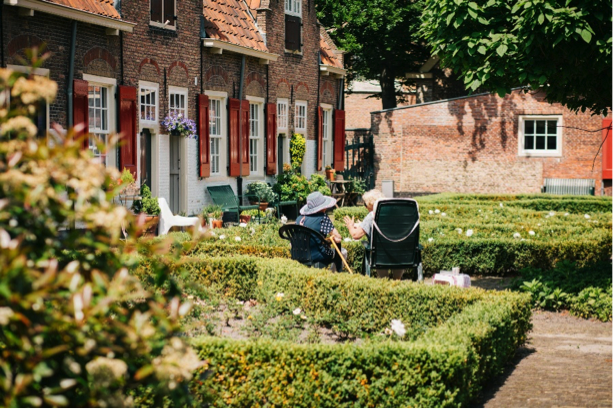
Growing older doesn’t mean giving up independence, yet safety concerns are very real for seniors living at home. Family members often struggle with a delicate balance: ensuring their loved ones are protected while respecting their autonomy and dignity. The challenge becomes even more complex when well-intentioned safety measures feel invasive or patronizing to seniors who value their freedom. Creating a secure environment that doesn’t compromise independence requires thoughtful planning, open communication, and creative solutions that empower rather than restrict.
Understanding When Home Modifications Become Necessary
Before making any changes, it’s essential to recognize the signs that modifications might be needed. Watch for subtle indicators like unexplained bruises, difficulty navigating stairs, or increased reluctance to perform daily tasks. Rather than immediately jumping to drastic solutions, have an honest conversation with your senior loved one about what they’re experiencing. This collaborative approach makes them an active participant in their safety rather than a passive recipient of imposed rules.
When home becomes challenging to navigate independently, families face important decisions about the best path forward. Some explore residential care options that provide different levels of support based on individual needs. These communities typically offer personalized assistance with daily activities like bathing, dressing, and medication management while maintaining a sense of independence through private apartments and communal spaces.
Trained staff are available around the clock, meals are prepared and served in dining rooms, and emergency response systems ensure immediate help when needed. The structured environment of assisted living can provide peace of mind for families concerned about falls, missed medications, or social isolation, as residents benefit from regular wellness checks, organized activities, and built-in social opportunities with peers.
Making Environmental Changes That Feel Natural
The most effective safety improvements blend seamlessly into the home’s existing design. Replace standard lighting with brighter LED bulbs that eliminate shadows and dark corners, but frame this as an energy efficiency upgrade rather than a safety measure. Install grab bars in bathrooms, choosing attractive finishes that match existing fixtures so they look like intentional design elements instead of medical equipment.
Remove tripping hazards like loose rugs and electrical cords without making a dramatic announcement. Simply rearrange furniture to create wider walkways during regular tidying. Apply non-slip adhesive strips to stairs in a color that complements the flooring. These modifications protect without broadcasting the message that someone is incapable of managing their space.
Involving Seniors in Decision Making
Nothing undermines dignity faster than making changes without consultation. Before implementing any safety measure, present it as a joint problem-solving discussion. Ask questions like “What would make it easier for you to reach the items you use most often?” rather than declaring “We’re reorganizing your kitchen cabinets.” This subtle shift in language transforms you from an authority figure into a supportive partner.
Give seniors choices whenever possible. If nighttime bathroom trips are risky, offer options: motion-activated night lights, a bedside lamp with a large switch, or glow-in-the-dark path markers.
Using Technology Without Surveillance
Modern technology offers numerous safety tools, but the way you present them matters enormously. A medical alert system isn’t about monitoring someone; it’s about giving them freedom to move around confidently, knowing help is available if needed. Frame it as insurance, not surveillance.
Smart home devices can enhance safety without feeling intrusive when positioned correctly. A voice-activated assistant helps with reminders, weather updates, and entertainment while discreetly allowing family members to check in through drop-in features used sparingly and with permission. Video doorbells let seniors see visitors without opening the door, promoting security without suggesting they can’t handle their own home.
Encouraging Rather Than Enforcing Physical Activity
Mobility and strength significantly impact safety, but nagging about exercise creates resentment. Instead, invite seniors to activities that naturally promote fitness. Suggest walking together to a nearby park, gardening alongside them, or taking up gentle tai chi as something you’d like to try together. When physical activity becomes social time rather than prescribed therapy, it feels less like an obligation and more like a connection.
If balance is a concern, recommend activities without explicitly saying “this will prevent falls.” Mention how a neighbor enjoyed a chair yoga class or how you’ve heard water aerobics feels wonderful. Let them discover the benefits themselves rather than lecturing about what they should do.
Creating Support Systems That Respect Privacy
Regular check-ins are important, but scheduled daily calls can feel like surveillance. Vary your communication approach with texts, video calls, and in-person visits at different times. Ask about their day, their interests, and their opinions on current events rather than interrogating them about whether they’ve eaten or taken medications.
Build a network of support beyond family. Friendly neighbors who genuinely enjoy their company, community center activities that align with their interests, or volunteer opportunities that give them purpose all create natural touchpoints throughout the week. When multiple people are organically connected to a senior’s life, safety becomes a community effort rather than family oversight.
Addressing Resistance with Patience and Understanding
When seniors resist safety measures, their objections deserve serious consideration rather than dismissal. Listen to the underlying concern. If they refuse a walker, maybe it’s not about stubbornness but about how they’ll be perceived by friends. Could a stylish cane be an acceptable alternative? If they won’t wear a medical alert pendant, would a watch-style device feel less stigmatizing?
Sometimes resistance signals that changes are happening too quickly. Pull back, implement one small modification, let them adjust, then revisit other concerns later. Forcing too many changes simultaneously can make seniors feel like they’re losing everything at once.
The goal is to create an environment where safety and independence coexist comfortably. This requires ongoing dialogue, flexibility, and genuine respect for the senior’s perspective. When safety measures are implemented thoughtfully and collaboratively, they become tools that support independence rather than symbols of lost autonomy. The home remains their sanctuary, just with a few thoughtful adjustments that let them enjoy it with confidence and peace of mind for everyone involved.
Other Articles You May Find of Interest...
- When Do You Start Feeling Tired and Old? Exploring Age-Related Fatigue
- Navigating the Challenges of MRONJ in Oral Health Management
- When a Veteran with Dementia Needs 24-Hour Home Care
- Protein and Weight Management
- What You Need to Know About Pleva and Its Impact on Skin Health
- Don’t Let Hand Pain Stop You!
- Senior Care Solutions: What Providers Should Look for in Modern Safety and Monitoring Systems



