
More Reviews Articles
Lymph Tonic Reviews: A Detailed Look at This Herbal Lymphatic Support Supplement
Disclosure: This article may contain sponsored content or affiliate links provided by third parties. Publication does not constitute an endorsement by Your Health Magazine.
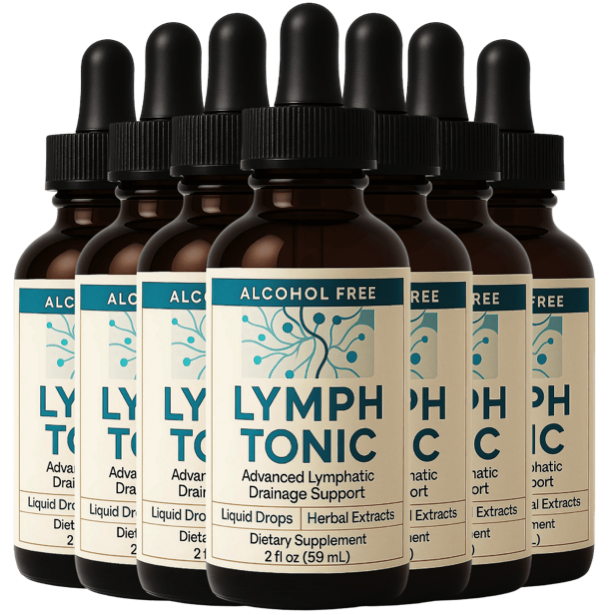
Lymph Tonic is a liquid herbal supplement formulated to support the lymphatic system — a network of vessels, nodes, and organs that plays a central role in immune defense, fluid regulation, and the body’s natural detoxification processes. Unlike many wellness supplements that target a single concern, Lymph Tonic is designed around the specific physiology of lymphatic health and circulation, combining botanical extracts, enzymes, antioxidants, and fatty acids into a single daily formula.
The product is delivered as an alcohol-free liquid tincture, which sets it apart from the capsule-based supplements that dominate this category. The recommended serving is two droppers — roughly 2 mL — taken once daily, either directly under the tongue or mixed into water or juice. Each 2-fluid-ounce bottle contains 30 servings. According to the brand, the supplement is manufactured in the United States in GMP-certified facilities, with quality controls applied at each stage of production.
Learn more about the ingredients, formulation, and manufacturer information for Lymph Tonic.
Understanding the Lymphatic System
To evaluate a supplement like Lymph Tonic fairly, it helps to understand what the lymphatic system actually does — and why people seek targeted support for it.
The lymphatic system is a secondary circulatory network that runs alongside the cardiovascular system. Its primary functions include transporting lymph fluid (which contains white blood cells, waste products, and excess interstitial fluid) back into the bloodstream, filtering pathogens through lymph nodes, and supporting the immune system’s response to infection. Unlike the cardiovascular system, the lymphatic network has no central pump equivalent to the heart — lymph fluid moves primarily through muscle contractions, breathing, and physical movement.
When lymphatic flow becomes sluggish — due to a sedentary lifestyle, dehydration, poor diet, or certain health conditions — the consequences can include fluid retention and puffiness, particularly in the lower extremities and face; a sense of fatigue or heaviness; reduced immune responsiveness; and slower recovery from inflammation. These are the kinds of complaints that have fueled growing consumer interest in lymphatic-support products.
Lymph Tonic Ingredients: What’s in the Formula?
The core of Lymph Tonic is a 600 mg proprietary herbal blend delivered in a vegetable glycerin base. The formula includes the following active ingredients:
Boswellia Serrata Extract
Boswellia Serrata is a resin-producing tree native to India and parts of Africa, with a long history of use in Ayurvedic medicine. Its key bioactive compounds are boswellic acids, particularly AKBA (acetyl-11-keto-β-boswellic acid), which have been studied for their anti-inflammatory properties. Research published in peer-reviewed journals has found that standardized Boswellia extracts can inhibit pro-inflammatory enzymes, making it a logical inclusion in a formula targeting lymphatic inflammation. Some placebo-controlled studies have noted meaningful reductions in swelling and discomfort associated with conditions like osteoarthritis, suggesting the extract may help reduce the kind of internal inflammation that can impair lymph flow.
Curcumin
Curcumin is the primary active compound in turmeric (Curcuma longa) and is one of the most extensively researched botanical anti-inflammatories in modern nutraceutical science. Its antioxidant capacity is well-documented, and clinical research has explored its role in supporting cell health within the lymphatic system. One of the persistent challenges with curcumin has historically been its low bioavailability — it is poorly absorbed when consumed on its own. The formulation of Lymph Tonic as a liquid tincture, rather than a dry capsule, may offer some advantage here, though the brand does not specify the curcumin extract type used.
Horse Chestnut Extract
Horse Chestnut Seed Extract (HCSE) is arguably the most clinically validated ingredient in the Lymph Tonic formula when it comes to the product’s core claims around fluid balance and leg comfort. Its active compound, aescin, has been studied extensively in the context of chronic venous insufficiency — a condition involving poor blood return from the legs that presents with swelling, heaviness, and discomfort. A comprehensive Cochrane Review examining multiple randomized controlled trials found that horse chestnut seed extract was effective in reducing leg edema and improving vascular function. Research published in the Journal of Clinical Oncology also explored HCSE for arm lymphedema in breast cancer survivors, citing its mechanism of decreasing capillary and interstitial permeability. For individuals specifically dealing with lower-limb puffiness or leg heaviness that worsens through the day, this ingredient carries meaningful support from independent research.
Nattokinase
Nattokinase is a fibrinolytic enzyme derived from natto, a traditional fermented soybean food from Japan. It has attracted considerable scientific attention for its ability to help break down fibrin — a protein involved in clot formation — and for its potential to support healthy blood viscosity and circulation. Published cardiovascular research has examined nattokinase as a complement to conventional approaches to circulatory health. Because sluggish lymphatic function is frequently tied to poor microcirculation, the inclusion of an enzyme with documented effects on blood flow mechanics makes physiological sense within this formula’s rationale.
Baicalein
Baicalein is a naturally occurring flavonoid found primarily in the roots of Scutellaria baicalensis (Chinese skullcap). A 2025 overview published in an international pharmacology journal described baicalein as beneficial to human health for its antioxidant, anti-inflammatory, cardioprotective, and immunomodulatory properties. From a lymphatic perspective, research has explored baicalein’s ability to target immune cells in mesenteric lymph nodes after oral administration — a finding that suggests the compound may have a more direct relationship with lymphatic tissue than many generic antioxidants. Its anti-inflammatory action also supports its role in a formula aimed at reducing the internal inflammation that can impair lymph flow.
Gotu Kola Extract (Centella Asiatica)
Gotu Kola is a traditional herb used in both Ayurvedic and Chinese medicine, and it has accumulated a meaningful body of modern research focused on microcirculation and venous tone. Peer-reviewed studies have examined Centella asiatica in the context of venous insufficiency, with controlled trials noting improvements in circulation-related outcomes. Research also highlights gotu kola’s role in supporting the health of the endothelial lining of blood vessels, which directly influences how efficiently lymph fluid and blood move through the body.
Quercetin Phytosome
Quercetin is a widely studied flavonoid with antioxidant and anti-inflammatory properties. The “phytosome” designation indicates it has been complexed with phospholipids to enhance absorption — addressing the same bioavailability challenge that affects many plant-derived compounds in standard supplement forms. Quercetin has been studied in the context of blood pressure, immune modulation, and inflammation, and its inclusion in Lymph Tonic adds to the formula’s antioxidant depth.
Ginger Extract
Ginger (Zingiber officinale) is a well-recognized anti-inflammatory botanical. Its bioactive compounds, including gingerols and shogaols, have been studied for their ability to reduce inflammatory markers. In the context of lymphatic health, reducing systemic inflammation may support better lymph node function and more efficient fluid movement through the body.
Additional Ingredients
The formula also includes Omega-3 fatty acids (which support cardiovascular and capillary health), Hesperidin Methyl Chalcone (a citrus bioflavonoid with known effects on vascular permeability and capillary fragility), Black Pepper Extract (piperine, which is widely used to enhance the bioavailability of other botanical compounds), Phosphatidylcholine, and D-Alpha Tocopherol (Vitamin E, a fat-soluble antioxidant).
View the complete Lymph Tonic formula and product details.
How Does Lymph Tonic Work?
The formula takes a multi-pathway approach to lymphatic support. Rather than relying on a single mechanism, the ingredients collectively address several of the factors that can compromise lymphatic function:
- Inflammation reduction: Boswellia, curcumin, baicalein, ginger, and quercetin all contribute anti-inflammatory activity, targeting one of the most common underlying causes of sluggish lymph flow.
- Improved microcirculation: Horse chestnut extract, nattokinase, gotu kola, and hesperidin methyl chalcone each support vascular health and blood flow at the capillary level, helping fluid move efficiently between tissues and the lymphatic vessels.
- Antioxidant protection: Curcumin, quercetin, baicalein, and Vitamin E protect cells from oxidative stress, which can otherwise compromise the integrity of lymphatic vessel walls.
- Bioavailability optimization: The liquid delivery format, combined with quercetin phytosome and black pepper extract (piperine), is designed to maximize how much of the active compounds the body can actually absorb and use.
Who Is Lymph Tonic Designed For?
Based on the ingredient profile and formulation intent, Lymph Tonic appears to be designed for adults who experience:
- Day-to-day fluid accumulation, particularly in the legs, ankles, or feet
- A sense of heaviness or puffiness that worsens as the day progresses
- General feelings of fatigue or sluggishness that some individuals associate with overall wellness concerns
- A desire to support immune health through the lymphatic system
- A preference for a non-alcoholic, liquid herbal format over capsules or tablets
It is not positioned as a treatment for any medical condition, and the brand recommends consulting a healthcare professional before use — particularly for anyone on medications, given that some of the ingredients (particularly nattokinase and high-dose curcumin) can interact with blood thinners and other pharmaceuticals.
Explore additional information about Lymph Tonic, including ingredients and usage guidelines.
What Do Users Say?
Consumer feedback available online includes a range of positive and negative experiences, though individual results and opinions vary. Recurring themes in positive user experiences include reduced leg swelling and discomfort, particularly at the end of long days; improved energy levels and a reduction in feelings of sluggishness; and appreciation for the liquid format, which users find easier to incorporate into a daily routine than capsule-based alternatives. Some users also highlight the absence of an alcohol taste — a notable distinction from many traditional herbal tinctures.
On the less favorable side, some users note that visible results take several weeks of consistent use, and a small number find the flavor of the tincture takes some getting used to when taken directly. As with most herbal supplements, individual responses vary based on health status, lifestyle, and consistency of use.
Potential Interactions and Safety Considerations
While the ingredient profile is derived from natural botanicals, several components carry interaction considerations that warrant attention:
- Nattokinase has fibrinolytic (clot-breaking) activity and should be used cautiously by anyone on anticoagulants or antiplatelet medications, or by those with clotting disorders.
- Curcumin and quercetin at supplemental doses may affect the metabolism of certain medications via cytochrome P450 enzyme pathways. Baicalein has also been noted in pharmacological literature as an inhibitor of CYP2C9, an enzyme involved in drug metabolism.
- Horse chestnut extract should be used with caution in individuals with liver or kidney conditions.
Anyone with pre-existing health conditions or on a prescribed medication regimen should speak with a physician before adding Lymph Tonic to their routine. Pregnant or nursing individuals should avoid the supplement unless specifically cleared by their healthcare provider.
Final Verdict
Lymph Tonic is a thoughtfully assembled herbal formula that draws on both traditional botanical medicine and contemporary nutritional science to address lymphatic health, circulation, and fluid balance. Several of its key ingredients — particularly horse chestnut extract, nattokinase, and boswellia — carry meaningful clinical research at the ingredient level, even though the finished product itself has not been through independent clinical trials.
The alcohol-free liquid format is a genuine differentiator in this category, as is the use of bioavailability-enhancing approaches like quercetin phytosome and piperine. The multi-ingredient approach covers anti-inflammatory, antioxidant, and circulatory mechanisms simultaneously, which reflects a reasonably sophisticated understanding of lymphatic physiology.
As with all dietary supplements, Lymph Tonic works best as part of a broader approach to wellness — one that includes adequate hydration, regular physical movement (which directly stimulates lymph flow), and a balanced diet. Individuals interested in lymphatic-support supplements may wish to review the ingredient profile, available research, and safety considerations discussed above and consult a healthcare professional before use.
This review is for informational purposes only. The statements in this article have not been evaluated by the Food and Drug Administration. This product is not intended to diagnose, treat, cure, or prevent any disease. Individual results may vary. Consult your physician before starting any new supplement regimen.
Other Articles You May Find of Interest...
- P Protect Reviews – Men’s Wellness Patches For Prostate Support and Urinary Comfort
- OnyGuard Anti-Fungal Pen Reviews 2026 – Legit Nail Care Product Or Overhyped?
- DirectMeds ED Reviews 2026 – Is DirectMax A Real Alternative To Standard ED Pills?
- Soda Steel Reviews 2026 – Legit Daily Energy Support or Overhyped Supplement?
- Is Rich Diet App Legit? Subscription, Support, and How to Cancel
- GLP-Star App Review 2026: A GLP-1 Meal Plan for Real Life
- Decamen App Review 2026: Military Calisthenics Workouts for Busy Men