
More Reviews Articles
LeanBiome Reviews 2026: Does This Gut-Microbiome Weight Loss Supplement Actually Work?
Disclosure: This article may contain sponsored content or affiliate links provided by third parties. Publication does not constitute an endorsement by Your Health Magazine.
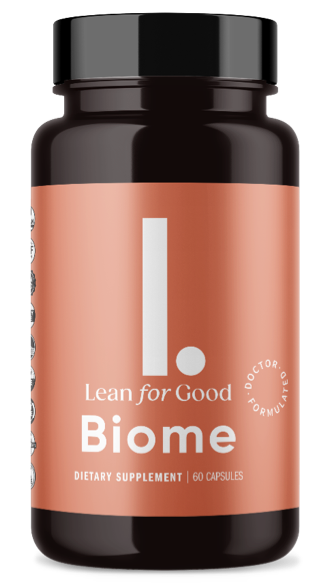
Anyone researching probiotic weight loss supplements has probably come across LeanBiome®, the gut-microbiome formula sold by Lean for Good®. The pitch is appealing: take two capsules a day, rebalance your “lean bacteria,” and let your gut do the work your willpower hasn’t. But how much of that is backed by real clinical research, and how much is supplement-marketing polish? This review breaks down the ingredients, the studies behind them, the pricing structure, and what a more skeptical reading of the evidence actually supports — with citations to the underlying science throughout.
What Is LeanBiome?
LeanBiome is a daily probiotic and green tea extract capsule marketed for natural weight loss and belly fat reduction. It’s built around the idea that an imbalanced gut microbiome — rather than simple calorie intake — is a major driver of unexplained weight gain, hunger, and stubborn fat storage. The formula combines nine probiotic (“lean bacteria”) strains with Greenselect Phytosome®, a patented, caffeine-free green tea extract, plus a handful of supporting compounds. It’s sold online in 1-, 3-, and 6-month bundles, fulfilled and billed through ClickBank, with a 180-day money-back guarantee.
It’s worth separating two different questions when evaluating any gut-health weight loss supplement like this: is the underlying science about gut bacteria and obesity real, and does this specific product, at this specific dose, in this specific combination, reproduce that science? The first answer is largely yes. The second is much less certain, for reasons explained below.
The Gut Microbiome and Weight Gain: What the Research Actually Shows
The idea that gut bacteria composition relates to body weight isn’t fringe science. A landmark twin study from King’s College London, analyzing thousands of twin pairs, found that visceral fat levels were heritable and linked to specific patterns in the gut microbiome, with leaner twins showing greater microbial diversity than their heavier siblings (Beaumont et al., 2016, Genome Biology). Separate research has also shown that transferring fecal microbiota between individuals can influence weight gain, supporting a causal — not just correlated — relationship between gut flora and body composition (Alang & Kelly, 2015, Open Forum Infectious Diseases).
This is the legitimate scientific backdrop that gut-health supplements like LeanBiome lean on. The marketing language (“lean bacteria” vs. “fat bacteria,” a microbiome “swamp”) is simplified and dramatized for a general audience, but the core claim — that microbiome composition is associated with metabolic and weight outcomes — has real peer-reviewed support.
LeanBiome’s Key Ingredients and the Clinical Trials Behind Them
Lactobacillus Gasseri
L. gasseri is one of the more studied probiotic strains in the weight-management literature. In a randomized, placebo-controlled trial of 87 adults, 12 weeks of fermented milk containing L. gasseri SBT2055 reduced visceral fat area by 4.6% and subcutaneous fat by 3.3% compared to baseline, with no significant change in the control group (Kadooka et al., 2010, European Journal of Clinical Nutrition). A larger 2013 follow-up with 210 participants, published in the British Journal of Nutrition, found visceral fat area dropped by 8.2–8.5% over 12 weeks depending on dose, and that fat regained when supplementation stopped — suggesting the effect depends on continued use rather than a one-time metabolic reset (Kadooka et al., 2013, British Journal of Nutrition).
Lactobacillus Rhamnosus
A 24-week, double-blind, placebo-controlled trial out of Université Laval gave 125 obese adults a capsule containing L. rhamnosus CGMCC1.3724 alongside oligofructose and inulin. Women in the probiotic group lost significantly more weight than women on placebo — about 4.4 kg (roughly 9.7 lb) on average — though men in the study showed no significant difference between groups, an important nuance that’s easy to miss in summary marketing copy (Sánchez et al., 2014, British Journal of Nutrition).
Lactobacillus Fermentum
Less extensively studied than the two strains above, L. fermentum has shown modest anti-adiposity effects in smaller human trials examining probiotic supplementation and body fat percentage, published in the Journal of Functional Foods (Omar et al., 2013). The effect sizes here are smaller and the trial size more limited than the Gasseri and Rhamnosus research, so this strain should be considered more preliminary supporting evidence rather than a headline result.
Greenselect Phytosome® (Green Tea Extract)
This is arguably the best-supported single ingredient in the formula. In a 90-day randomized trial, 100 obese adults following a low-calorie diet were split into a green tea extract group and a diet-only group. The Greenselect Phytosome group lost an average of 14 kg (about 30 lb), compared to 5 kg (about 11 lb) in the diet-only group — nearly three times the weight loss over the same period (Di Pierro et al., 2009, Alternative Medicine Review). A later randomized trial in obese women found the same extract helped sustain weight loss during a maintenance phase, with a higher proportion of users keeping off at least 5% of their starting weight compared to placebo (Gilardini et al., 2016, BMC Complementary Medicine and Therapies). Because it’s a caffeine-free phytosome formulation designed for better absorption, it’s also positioned as a gentler alternative to stimulant-based fat burners for people sensitive to caffeine.
Inulin, Sphaeranthus Indicus, and Garcinia Mangostana
Inulin is a well-established prebiotic fiber that feeds beneficial gut bacteria, which is a reasonable rationale for including it alongside live probiotic strains. The combination of Sphaeranthus indicus extract and Garcinia mangostana (mangosteen) has appeared in smaller clinical studies on belly fat and fat-burning markers, though this combination is less thoroughly replicated in independent research than the probiotic strains or the green tea extract.
A Necessary Caveat: Ingredient Research vs. Product Research
Here’s the distinction that matters most for anyone deciding whether to buy: the studies above tested individual ingredients, often in different forms (fermented milk rather than capsules), different doses, and sometimes in combination with other compounds (like the oligofructose and inulin paired with L. rhamnosus in the Sánchez trial). None of the cited research is a clinical trial of LeanBiome itself, the specific nine-strain blend, or the exact dosages used in this product. This is standard practice across the dietary supplement industry — companies cite published research on their ingredients rather than funding new trials on the finished formula — but it means the weight-loss figures quoted in LeanBiome’s marketing (“8.5% belly fat,” “9.7 lbs of fat,” “30 lbs in 90 days”) are real numbers from real peer-reviewed studies, just not numbers generated by people taking LeanBiome capsules specifically. As the product’s own label states, statements about the supplement have not been evaluated by the FDA, and it is not intended to diagnose, treat, cure, or prevent any disease.
Capsule Technology and Manufacturing
LeanBiome uses DRcaps (delayed-release capsules), designed to survive stomach acid so that live bacterial strains reach the intestine before breaking down, rather than being partially destroyed before they can colonize the gut. This is a legitimate consideration for probiotic supplements generally, since acid sensitivity is a known limitation of many probiotic products. The company states manufacturing takes place in an FDA-registered, Good Manufacturing Practice (GMP)-certified U.S. facility, and the formula is free of dairy, soy, gluten, nuts, and common allergens, making it accessible to a broad range of diets, including vegan and vegetarian users.
Pricing and Where to Buy
LeanBiome is sold online. Pricing is tiered by bundle size: a single bottle runs around $69, a 3-bottle/3-month supply discounts to roughly $59 per bottle, and the 6-bottle/6-month bundle drops to about $39 per bottle with free U.S. shipping. All options are one-time purchases with no auto-ship subscription, and orders are backed by a 180-day “empty bottle” money-back guarantee, meaning refunds are available even if all the capsules have been used.
Potential Side Effects and Who Should Be Cautious
Probiotic supplements are generally well tolerated, though some users report mild, temporary digestive symptoms like bloating or gas when first introducing new bacterial strains. Green tea extract, even in caffeine-free phytosome form, contains catechins that can interact with certain medications and may not be appropriate for people with liver conditions, since high-dose green tea extracts have occasionally been linked to liver enzyme elevations in case reports. Anyone who is pregnant, nursing, taking prescription medication, or managing a chronic health condition should talk to a physician before starting LeanBiome or any new supplement — advice the manufacturer itself includes in its disclaimers.
Pros and Cons
Strengths:
- The formula draws on ingredients with genuine peer-reviewed research behind them.
- The delayed-release capsule format addresses a real limitation of standard probiotics.
- It’s allergen-friendly and free of common stimulants.
- The refund window is unusually long.
- There’s no subscription trap.
Weaknesses:
- There’s no published clinical trial on the finished LeanBiome formula itself.
- The marketing language overstates certainty by presenting ingredient-level research as if it guarantees individual results.
- It’s priced at a premium compared to single-strain probiotics.
- As a ClickBank-distributed product, it isn’t available for in-person comparison or instant return at a pharmacy.
Frequently Asked Questions
Is LeanBiome a stimulant or appetite suppressant drug? No. It’s classified and sold as a dietary supplement, not a pharmaceutical, and the green tea extract used is caffeine-free.
How long before you’d expect to notice anything? Based on the underlying ingredient research, most of the cited trials measured results at 12 weeks, with effects compounding over 90 days, suggesting this is a supplement intended for sustained, multi-month use rather than rapid short-term loss.
Does it replace diet and exercise? No published research on any of these ingredients suggests probiotics or green tea extract work independently of overall diet; in the Di Pierro trial, the green tea group was still following a calorie-controlled diet.
Final Verdict
Overall, publicly available LeanBiome customer reviews are generally positive. LeanBiome sits in a better-than-average position within the crowded probiotic and gut-health supplement market because its core ingredients — L. gasseri, L. rhamnosus, and Greenselect Phytosome® in particular — are tied to real, published, peer-reviewed clinical trials rather than being purely speculative. That’s a meaningfully different starting point than many fat-burner products on the market. That said, the absence of any trial on the actual finished product, combined with marketing copy that blurs the line between “this ingredient was studied” and “this product will do this for you,” means prospective buyers should treat the headline statistics as evidence about the ingredients, not a guarantee about the capsule in the bottle.
Scientific References
- Beaumont, M., Goodrich, J.K., Jackson, M.A., et al. (2016). Heritable components of the human fecal microbiome are associated with visceral fat. Genome Biology, 17(1), 189.
- Alang, N., & Kelly, C.R. (2015). Weight Gain after Fecal Microbiota Transplantation. Open Forum Infectious Diseases, 2(1).
- Kadooka, Y., Sato, M., Imaizumi, K., et al. (2010). Regulation of abdominal adiposity by probiotics (Lactobacillus gasseri SBT2055) in adults with obese tendencies in a randomized controlled trial. European Journal of Clinical Nutrition, 64(6), 636–643.
- Kadooka, Y., Sato, M., Ogawa, A., et al. (2013). Effect of Lactobacillus gasseri SBT2055 in fermented milk on abdominal adiposity in adults in a randomised controlled trial. British Journal of Nutrition, 110(9), 1696–1703.
- Sánchez, M., Darimont, C., Drapeau, V., et al. (2014). Effect of Lactobacillus rhamnosus CGMCC1.3724 supplementation on weight loss and maintenance in obese men and women. British Journal of Nutrition, 111(8), 1507–1519.
- Omar, J.M., Chan, Y.M., Jones, M.L., Prakash, S., & Jones, P.J.H. (2013). Lactobacillus fermentum and Lactobacillus amylovorus as probiotics alter body adiposity and gut microflora in healthy persons. Journal of Functional Foods, 5(1), 116–123.
- Di Pierro, F., Menghi, A.B., Barreca, A., Lucarelli, M., & Calandrelli, A. (2009). Greenselect Phytosome as an adjunct to a low-calorie diet for treatment of obesity: a clinical trial. Alternative Medicine Review, 14(2), 154–160.
- Gilardini, L., Pasqualinotto, L., Di Pierro, F., Risso, P., & Invitti, C. (2016). Effects of Greenselect Phytosome® on weight maintenance after weight loss in obese women: a randomized placebo-controlled study. BMC Complementary Medicine and Therapies, 16, 233.
Other Articles You May Find of Interest...
- P Protect Reviews – Men’s Wellness Patches For Prostate Support and Urinary Comfort
- OnyGuard Anti-Fungal Pen Reviews 2026 – Legit Nail Care Product Or Overhyped?
- DirectMeds ED Reviews 2026 – Is DirectMax A Real Alternative To Standard ED Pills?
- Soda Steel Reviews 2026 – Legit Daily Energy Support or Overhyped Supplement?
- Is Rich Diet App Legit? Subscription, Support, and How to Cancel
- GLP-Star App Review 2026: A GLP-1 Meal Plan for Real Life
- Decamen App Review 2026: Military Calisthenics Workouts for Busy Men