






More Prosthetics Articles
Exploring the Importance of the Head of Radius in Joint Health
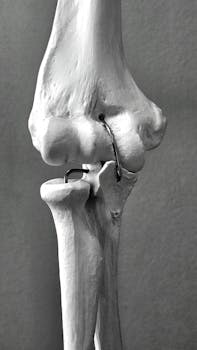
The head of radius is a critical component of our joint health, playing a significant role in the movement and stability of the forearm. As a part of the elbow joint, the head of the radius interacts closely with the humerus and ulna bones, allowing for the complex motions our arms can perform. Understanding its function and importance can help us appreciate how essential it is for maintaining healthy movement and preventing joint-related issues.
Understanding the Head of Radius
The head of radius is the top, disc-shaped part of the radius bone in the forearm. This rounded piece is crucial for the smooth rotation of the forearm, enabling actions such as turning a doorknob or twisting a jar lid. It fits into the radial notch of the ulna and articulates with the capitulum of the humerus, allowing both pronation and supination of the forearm.
New studies are exploring how injuries to the head of radius can significantly impact mobility and quality of life. Ensuring proper function and care can help mitigate long-term damage, particularly in athletes or individuals with active lifestyles.
Significance in Joint Mobility
The interaction of the head of radius with surrounding bones allows for a wide range of arm and wrist movements. This flexibility is essential not only for athletic performance but also for everyday tasks. Due to its critical role, any injury or condition that affects the head of radius can lead to significant limitations and discomfort.
Protective measures such as adequate warm-ups, consistent exercise, and targeted strengthening can support joint health. Engaging in fitness activities that promote overall musculoskeletal health may reduce the risk of injury, keeping your joints functional and pain-free.
Common Issues and Injuries
Fractures or dislocations involving the head of radius are common, especially from falls or direct impacts to the arm. Symptoms often include pain, swelling, and a decreased range of motion. Immediate medical attention can prevent complications and promote healing, though recovery times can vary based on the injury’s severity.
Osteoarthritis is another concern, potentially impacting the head of radius. This condition results from the degeneration of joint cartilage, leading to pain and stiffness. While irreversible, symptoms may be managed through physical therapy, medications, and sometimes surgical interventions.
Prevention and Maintenance
Maintaining the health of the head of radius involves several strategies. Regular exercise, focusing on both strength and flexibility, can reinforce joint stability. A balanced diet rich in vitamins and minerals supports overall bone health, which in turn can benefit all the components of the elbow joint.
It’s also important to address any early signs of discomfort in the elbow or forearm, as timely intervention can prevent more serious issues. Consulting health professionals for personalized advice is recommended if symptoms persist.
Enhancing Joint Care
Innovative approaches, including physiotherapy and new surgical techniques, are improving outcomes for patients with injuries to the head of radius. Furthermore, research is being conducted to better understand the relationship between joint health and lifestyle factors, aiming to provide evidence-based guidelines for prevention and care.
For further reading on joint health, you can refer to comprehensive resources such as the Wikipedia article on Health, which offers valuable insights and tips.
Incorporating these practices and staying informed about joint health can aid in preserving the function of the head of radius while reducing the risk of injuries and conditions affecting the elbow joint.
- The head of radius is vital for forearm mobility and stability.
- Injuries and conditions like fractures and osteoarthritis can affect its function.
- Prevention includes exercises, proper nutrition, and timely medical attention.
- Innovations in treatment are enhancing patient outcomes.
- Staying informed about joint health is crucial for long-term wellness.
What is the function of the head of radius?
The head of radius allows for the rotation and movement of the forearm, enabling activities such as turning a key or opening jars. It connects with the humerus and ulna, making it essential for joint stability and flexibility.
How can I protect the head of radius from injury?
To protect the head of radius, engage in regular, balanced exercise routines that strengthen arm muscles, maintain flexibility, and prevent falls or impacts that could lead to injury. Also, listen to your body and rest when needed.
What are potential symptoms of a head of radius injury?
Symptoms may include pain, swelling, bruising, and limited range of motion in the elbow or forearm. Immediate medical attention is recommended for a proper diagnosis and treatment plan.
Is surgery always required for a head of radius fracture?
Surgery is not always necessary; the decision depends on the injury’s severity and the individual’s overall health. Some fractures may be managed with immobilization and rehabilitation. Consulting an orthopedic specialist is vital for making an informed decision.
Can lifestyle changes improve joint health related to the head of radius?
Yes, adopting a healthy lifestyle with a balanced diet, regular exercise, and avoiding tobacco or excessive alcohol can support joint health. Additionally, being mindful of ergonomic practices during everyday activities can prevent unnecessary stress on the joints.
Other Articles You May Find of Interest...
- Exploring the Importance of the Tibial Plafond for Joint Health
- Boost Your Prostate Health Naturally with Prostafense
- Exploring the Importance of the Head of Radius in Joint Health
- Navigating the Complexities of Lefort III Fractures and Their Impact on Facial Reconstruction
- Exploring the Implications and Recovery of Guillotine Amputation
- Essential Guide to Effective Splinting Techniques for Injury Management
- How to Care for Your Wrist Cast and Ensure a Smooth Recovery




