More Press Releases Articles
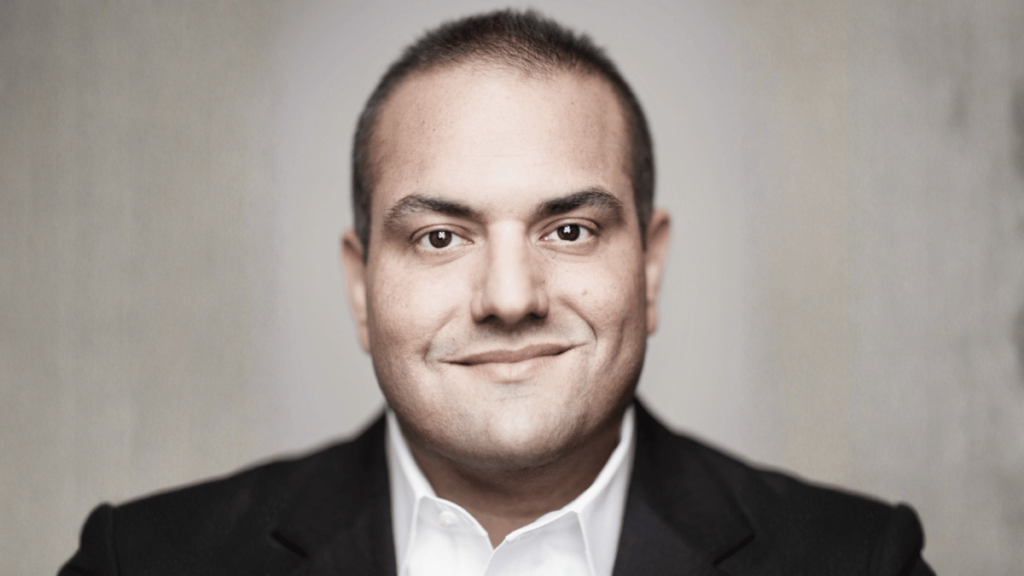
Dr. Alexander Eastman, Dallas Trauma Surgeon, Co-Authors NEJM Paper on Hospital Active Shooter Preparedness
The following content consists of press releases and company announcements submitted by third parties. These articles are provided for informational purposes and have not been independently verified by Your Health Magazine.
When an active shooter enters a hospital, the institution faces a challenge unlike any other: it cannot lock down and wait. Patients on ventilators cannot be moved. Operating rooms cannot be abandoned. Staff cannot simply shelter in place when people in their care cannot shelter at all.
That specific and urgent problem is what a group of trauma surgeons, including Dallas physician Dr. Alexander Eastman, addressed in a 2018 paper published in the New England Journal of Medicine. Titled “Active-Shooter Response at a Healthcare Facility,” the paper provided a framework for how hospitals should prepare for, respond to, and recover from an armed attack on their premises. It appeared in the most widely read medical journal in the world and has since influenced how healthcare systems across the country approach security planning.
Dr. Eastman co-authored the paper with trauma surgeons Kenji Inaba, Leonard Jacobs, and Kenneth Mattox. His contribution drew on a background that few physicians in the country share. He has served as a tactical physician with the Dallas Police Department since 2004, became a sworn officer in April 2010, and has served as the department’s Chief Medical Officer since June 2016. He understands hospital security not only as a clinician but as someone who has worked inside law enforcement operations for more than two decades.
The Problem the Paper Addressed
The healthcare setting presents specific vulnerabilities that general active shooter guidance does not fully account for. Hospitals operate around the clock. They have multiple entry points, large footprints, and populations that include patients who are sedated, immobile, or dependent on equipment that cannot be quickly moved. Staff are trained to move toward emergencies, not away from them. The instinct that makes a nurse effective in a trauma bay can put that same nurse in danger during an armed attack if the institution has not prepared a coherent response.
The paper outlined a practical approach to that problem: clear protocols for lockdown procedures that account for patients who cannot participate, communication frameworks for coordinating with law enforcement during an active event, guidance on how clinical staff should respond when an incident occurs near their work area, and the importance of regular drills that test plans against the reality of how a hospital actually operates.
The American College of Surgeons has long emphasized that trauma systems function best when every layer of response, from the bystander at the scene to the surgeon in the operating room, is prepared and coordinated. The NEJM paper extended that principle into the hospital itself, arguing that the facility is not a safe destination that can be assumed to function normally when an armed event is happening inside or near it.
A Dallas Physician, a National Contribution
Dr. Eastman’s role in the paper reflects his broader career. He has been a member of the Hartford Consensus Working Group at the American College of Surgeons since April 2012. That group developed the THREAT protocol and the national Stop the Bleed campaign, which teaches civilian bystanders and first responders how to control life-threatening bleeding before professional medical care arrives. The NEJM paper came three years after Stop the Bleed launched, and it applied a similar logic in the opposite direction: what does the institution receiving those patients need to have in place?
He has also published a follow-up paper on prehospital considerations for mass shooting incidents in the Journal of the American College of Surgeons in January 2023, extending the research into the period before a patient reaches a hospital. Taken together, the work covers the full chain: the scene, the transport, and the receiving facility.
Dr. Eastman currently serves as Senior Medical Officer for Operations at the U.S. Department of Homeland Security Office of Health Security, a position he has held since September 2018. He is also an Associate Professor of Surgery at the Uniformed Services University of the Health Sciences in Bethesda, Maryland, where he has taught since May 2019.
His peer-reviewed work spans trauma resuscitation, prehospital care, tactical medicine, officer safety, and mass casualty response. His full publication list is available at researchgate.net/profile/Alexander-Eastman.
Other Articles You May Find of Interest...
- Evaluating Moldable Matrix Materials: What to Review About BiFORM®
- What It Actually Takes to Open a Nurse Next Door Franchise
- Inside Cronos Dental Clinic: How Advanced Dentistry in Albania Is Evolving for International Patients
- How MedXpert Supports Medical Credentialing in the USA
- Glow Beyond the Surface: Discover the Power of IPL at Facial Mania Med Spa
- AN EASY PILL TO SWALLOW
- Dr Michel Alkhalil on Multi-Specialty Respiratory Care in Oakland County