






More Podiatry Foot Care Articles
Healing Juvenile Plantar Dermatosis: Effective Remedies and Prevention Tips
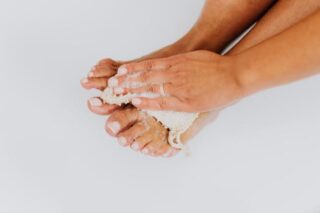
Juvenile plantar dermatosis is a common skin condition affecting children, particularly on the soles of their feet. This condition typically presents as red, cracked, and sometimes painful skin, often exacerbated by certain environmental factors. Understanding the causes and effective treatment strategies can help manage symptoms and prevent future occurrences.
Understanding Juvenile Plantar Dermatosis
Despite its somewhat alarming appearance, juvenile plantar dermatosis is generally benign and manageable. The skin condition primarily results from friction and sweat, often observed in children who wear synthetic or non-breathable shoes. The interaction between heat, moisture, and friction leads to the characteristic dry and cracked skin seen in this condition.
Symptoms of Juvenile Plantar Dermatosis
The main symptoms include redness, scaling, and cracking of the skin on the weight-bearing areas of the soles. In severe cases, the cracks can become painful and susceptible to infection. It’s essential to distinguish juvenile plantar dermatosis from other foot-related conditions like athlete’s foot, to ensure appropriate treatment.
Common Causes and Risk Factors
Some of the most common causes include wearing tight-fitting shoes, synthetic socks, and increased perspiration. Children involved in sports or activities that lead to sweaty feet are particularly at risk. Genetic factors and existing skin disorders may also contribute to the development of this condition.
Effective Remedies for Relief
Treating juvenile plantar dermatosis effectively involves a combination of careful foot care and environmental modifications. Here are some strategies that may help alleviate symptoms:
- Moisturizing: Regularly applying a mild moisturizer designed for sensitive skin can help keep the skin supple and prevent further cracking.
- Breathable Footwear: Encourage the use of breathable shoes and cotton socks. This can significantly reduce moisture and heat buildup.
- Foot Baths: Soaking the feet in lukewarm water with mild soap can clean and soothe irritated skin. Ensure the feet are fully dried afterwards.
- Avoid Triggers: Limit prolonged periods in shoes known to cause sweating or friction, and monitor if certain activities exacerbate the condition.
Preventive Measures
Prevention is key in managing juvenile plantar dermatosis. The following tips can help reduce the risk of recurrence:
- Choose the Right Shoes: Invest in well-fitting shoes made of natural, breathable materials that allow air circulation.
- Regular Foot Checks: Regularly inspecting your child’s feet can ensure you catch symptoms early, allowing prompt treatment.
- Keep Feet Clean and Dry: Encourage children to wash and dry their feet thoroughly each day. Pay attention to the areas between toes.
- Educate on Foot Health: Teach children about the importance of foot hygiene and how to care for their feet properly.
For teenagers struggling with sports-related concerns, integrating comprehensive foot care with overall physical health might be beneficial. Consider exploring resources such as fitness tips for teens which offer broad insights into maintaining healthy activities.
Consulting Healthcare Providers
While lifestyle and home remedies can be effective, consulting a healthcare provider is advisable if symptoms persist or worsen. A doctor may recommend specific treatments or prescribe medications to manage severe symptoms effectively.
For more detailed information, you can explore external resources like the overview of health topics, which provide additional insights on various conditions and preventive strategies.
Juvenile Plantar Dermatosis: A Manageable Condition
Overall, juvenile plantar dermatosis, while uncomfortable, is a manageable condition with proper care and preventive measures. Ensuring children maintain good foot hygiene and use appropriate footwear can significantly reduce symptoms. Often, simple home remedies and lifestyle adjustments may suffice to manage and prevent future occurrences effectively.
- Juvenile plantar dermatosis often arises from friction and moisture in footwear.
- Symptoms include red, cracked skin, primarily on the soles of the feet.
- Effective management involves moisturizing, choosing breathable shoes, and maintaining foot hygiene.
- Consult a healthcare provider if symptoms persist or become severe.
- Prevention focuses on reducing moisture and friction through strategic foot care.
What are the symptoms of juvenile plantar dermatosis?
Symptoms include redness, dryness, scaling, and cracks on the soles, primarily in the weight-bearing areas. In severe cases, the cracks may become painful.
How can I prevent juvenile plantar dermatosis?
Prevention involves regular foot care, avoiding tight shoes, using breathable materials, and keeping feet clean and dry.
Is juvenile plantar dermatosis contagious?
No, juvenile plantar dermatosis is not contagious. It is a result of friction and moisture on the feet rather than a transmissible infection.
When should I see a doctor for juvenile plantar dermatosis?
Consult a healthcare provider if symptoms worsen, do not improve with home care, or if the skin appears infected.
Can sporting activities worsen the condition?
Yes, activities that lead to excessive sweating or foot friction can worsen symptoms. Proper foot gear and hygiene can help mitigate this.
Other Articles You May Find of Interest...
- What Causes Tingling in Feet and How to Find Relief?
- Exploring the Benefits and Risks of the Kidner Procedure
- Dystrophic Nails: Causes, Symptoms, and Effective Treatments
- Exploring the Importance of the IP Joint in Thumb Mobility
- Finding Relief from Equinus Contracture: Strategies for Improved Mobility
- What Causes Numbness in Your Toes and How to Find Relief?
- Why Does Your Toenail Bed Hurt and How to Find Relief?




