






More Pet Health Articles
Zyrtec Dosage for Dogs: How Much Can You Safely Give Your Pet?
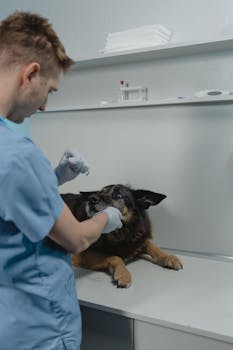
If you’re considering using Zyrtec for your dog, it’s essential to understand the correct Zyrtec dosage for dogs to ensure their safety and well-being. This antihistamine, commonly used for allergy relief in humans, can also help our furry friends manage symptoms like itching and inflammation. However, knowing the right dosage is key to avoiding potential side effects and ensuring its effectiveness.
Zyrtec Dosage for Dogs: What You Need to Know
When determining the appropriate Zyrtec dose for dogs, there are several factors to consider. The dosage is typically based on the dog’s weight, and consulting with your veterinarian is always recommended. As a general guideline, the standard dosage is about 0.5 mg of Zyrtec (cetirizine) per pound of body weight once daily. For example, a 20-pound dog may require a 10 mg tablet. However, this can vary based on individual health needs and conditions.
Zyrtec is available in tablet form, and it’s crucial to never exceed the recommended dose without consulting a veterinarian. Overdosing can lead to unwanted side effects such as drowsiness, drooling, or vomiting. It’s also important to avoid Zyrtec products containing pseudoephedrine, as it can be harmful to dogs.
How Much Zyrtec Can I Give My Dog?
Understanding how much Zyrtec you can give your dog involves recognizing their specific health requirements. Always use the Zyrtec dosage for dogs chart as a reference but prioritize veterinary guidance. Furthermore, consider factors like the dog’s age, existing medical conditions, and overall health status. Puppies, older dogs, or those with pre-existing health conditions may require a different approach.
Using a Zyrtec for Dogs Dosage Chart
A Zyrtec for dogs dosage chart can be a helpful tool when administering this medication. Such charts typically offer a breakdown of weight categories and corresponding dosages, ensuring a practical reference. Nevertheless, it’s crucial to use the chart as a guideline rather than an absolute rule. Every dog is unique, and what works for one may not be suitable for another. Regular communication with your veterinarian will help tailor the best treatment plan for your pet.
Potential Side Effects and Considerations
While Zyrtec can be beneficial, it’s important to watch for potential side effects. Common side effects in dogs include slight drowsiness, drooling, or in rare instances, gastrointestinal upset. If your dog exhibits any signs of an allergic reaction, such as swelling, hives, or difficulty breathing, seek veterinary care immediately.
Moreover, interaction with other medications is a concern to keep in mind. If your dog is taking other prescriptions or supplements, discuss this with your vet to avoid any adverse reactions. This approach not only prevents complications but ensures that Zyrtec is as effective as possible in managing your pet’s allergies.
In addition to using medications, consider exploring alternative therapies or preventive measures to enhance your dog’s health. A multi-faceted approach can often yield the best results.
Consulting Your Veterinarian
Your veterinarian’s insight is invaluable when determining the appropriate Zyrtec dose for dogs. Regular consultation ensures that your pet receives the care and attention they deserve. Veterinarians can provide specific recommendations based on your dog’s health history, current medications, and lifestyle.
Furthermore, routine check-ups can be significant for monitoring the effects of Zyrtec on your dog, allowing any necessary adjustments to be made swiftly and efficiently. Keeping open lines of communication with your vet not only addresses current issues but also proactively elevates your dog’s quality of life.
For more comprehensive information about Zyrtec and its uses in both humans and pets, you can visit the Cetirizine Wikipedia page.
Understanding the correct Zyrtec dosage for dogs is a crucial step towards managing their allergies effectively. By following veterinary advice and monitoring your dog’s response to the medication, you can ensure their comfort and safety.
- Consult a veterinarian for personalized Zyrtec dosage advice for dogs.
- The typical dose is 0.5 mg per pound of body weight once daily.
- Avoid Zyrtec products with pseudoephedrine—it can be toxic to dogs.
- Monitor for side effects such as drowsiness and vomiting.
- Ensure that Zyrtec does not interact with other medications your dog is taking.
Is it safe to give my dog Zyrtec daily?
Yes, under veterinary guidance, it can be safe to give Zyrtec daily for allergy management. It’s essential to follow dosage recommendations and monitor your dog for side effects.
Can Zyrtec cause any side effects in dogs?
Common side effects include drowsiness, drooling, and in rare cases, an upset stomach. Contact your veterinarian if you notice any significant or concerning reactions.
What should I do if I accidentally gave my dog too much Zyrtec?
If an overdose occurs, seek immediate veterinary care. Symptoms of overdose may include increased drowsiness, agitation, or vomiting.
Can Zyrtec be used for other conditions in dogs?
While primarily used for allergies, veterinarians might recommend Zyrtec for other conditions on a case-by-case basis. Always consult your vet before using it for other purposes.
Are there alternatives to Zyrtec for managing my dog’s allergies?
Yes, alternatives include other antihistamines, immunotherapy, and lifestyle adjustments. Consult your veterinarian for the best approach tailored to your pet’s needs.
Other Articles You May Find of Interest...
- Choosing the Best Antibiotic Ointment for Cats: Essential Tips for Care
- Effective Strategies for Treating Fish Ich to Ensure Healthy Aquatic Life
- Unlocking the Benefits of Horse Salt for Optimal Equine Health
- Zyrtec Dosage for Dogs: How Much Can You Safely Give Your Pet?
- Recognizing the Signs: What Does a Dog Seizure Look Like?
- The Dangers of a Mouse Bite: What You Need to Know
- Is Loratadine Safe for Dogs? A Comprehensive Guide for Pet Owners




