






Your Health Magazine
4201 Northview Drive
Suite #102
Bowie, MD 20716
301-805-6805
More Pet Health Articles
Tips to Keep Your Senior Dog Active and Safe
Watching a beloved dog grow old is a special experience for any pet owner. Our loyal companions deserve extra care and attention as they enter their golden years.
Small changes to your daily routine can help your aging pet stay happy and mobile. Focusing on their comfort and safety helps them enjoy a better quality of life every day.
Slowing Down With Grace
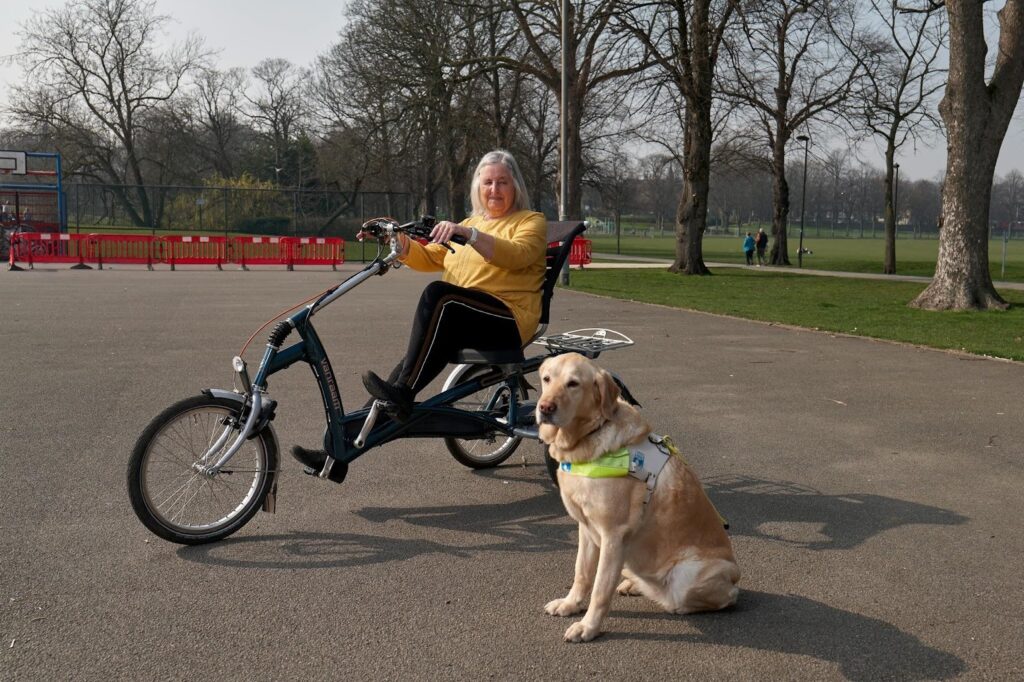
Aging pets often move a bit slower than they used to in their younger years. The change is a natural part of getting older for every canine friend.
Watch for signs that your furry friend is tired during their normal activities. They might need more naps throughout the afternoon to stay rested and alert.
Respect their new pace during your daily walks and play sessions. Forcing them to run too fast could lead to unnecessary pain or physical stress.
Safety Proofing Your Home
Your house might have hidden dangers for a senior pet that were not there before. Stairs and high furniture can become difficult obstacles for them to navigate safely.
Small upgrades to your routine make a big difference. Buying Simparica Trio 44.1-88 lbs dogs 6 month supply, for example, can keep them protected from pests, but physical safety is just as important. These items help manage health risks as you focus on home comfort.
Add night lights to help them see in the dark more clearly. Clear pathways prevent trips or falls when they get up to get water during the night.
Low Impact Exercise Routine
Keeping your pet moving helps keep their muscles strong and their joints flexible. Regular movement prevents stiffness in their legs and back as they age.
Short Walks For Health
A well-known health resource for pets mentions that senior dogs should get 30 to 60 minutes of activity daily. The amount of exercise keeps their heart healthy and their mind sharp.
You can split the time into several short sessions to avoid overexertion during the day. Short walks are much easier on their aging bodies than one long hike in the woods.
Improving Indoor Traction
Slick surfaces like hardwood or tile are hard for old paws to grip properly. Dogs can slip and hurt their hips or legs very easily on hard floors.
Better Grip On Floors
An animal protection group explains that slippery floors are a major challenge for older dogs. They suggest placing rugs or carpets down to provide better traction for your pet.
Rugs with rubber backing stay in place better for heavy pets as they walk. A simple fix makes walking through the house much safer for your aging friend.
Managing Daily Nutrition Needs
Senior pets have different calorie needs than young puppies or active adults. They burn fewer calories as they spend more time resting on their favorite bed.
Feeding them high-quality food helps maintain their energy levels throughout the day. Proper portions prevent weight gain that stresses their aging frame and bones.
Talk to your vet about the best diet for your specific pet. Every dog has unique needs based on their health history and daily activity level.
Preventing Excessive Weight Gain
Extra weight is very hard on a senior dog, as it puts pressure on the heart. Keeping them lean is a great way to help them live a longer life.
Medical research found that obesity is linked to faster DNA changes in aging dogs. The evidence shows how much weight impacts their long-term health at a cellular level.
Monitor their body shape often to make sure they stay fit and trim. You should be able to feel their ribs without a thick layer of fat.
- Measure food with a cup.
- Limit treats to 10 percent of daily calories.
- Avoid feeding human table scraps.
Mental Puzzles And Games
Brain health is just as necessary as physical fitness for an aging pet. Old dogs still love to learn new tricks or solve fun problems for rewards.
Fun Ways To Learn
Hide treats around the living room for a fun game of search and find. It encourages them to use their nose and stay engaged with their home surroundings.
Interactive toys can keep them busy while you are busy working or cleaning. Mental work wears them out in a good way without hurting their sore joints.
Creating A Comfortable Sleeping Spot
Orthopedic beds offer great support for sore joints and aching muscles, as they are much better than a hard floor. A soft surface is needed for an old pet to rest well at night. Special cushions distribute weight evenly to prevent pain in their hips.
Cozy Rest Areas
Place their bed in a warm spot away from cold drafts or air vents. Keeping them cozy helps them sleep through the night without waking up from the chill. Older dogs can sleep for 14 hours a day and lose body heat fast.
Make sure the bed is easy to get into and out of for them. Low beds are better than thick, tall cushions that require a big step. It helps them move independently and settle in for a nap whenever they feel tired.
- Memory foam supports the spine.
- Washable covers help with hygiene.
- Heat pads can soothe morning aches.
Regular Vet Visits And Monitoring
Tracking Health Changes
Seeing a vet twice a year is helpful for many senior dogs. They can catch health issues before they become serious or painful for the aging pet.
Keep track of any changes in their behavior or appetite every week. Even small shifts can be a sign of a medical problem that needs professional attention.
Ask about supplements that might help with joint health or vision. Your vet can provide advice tailored to your dog and their specific breed needs.
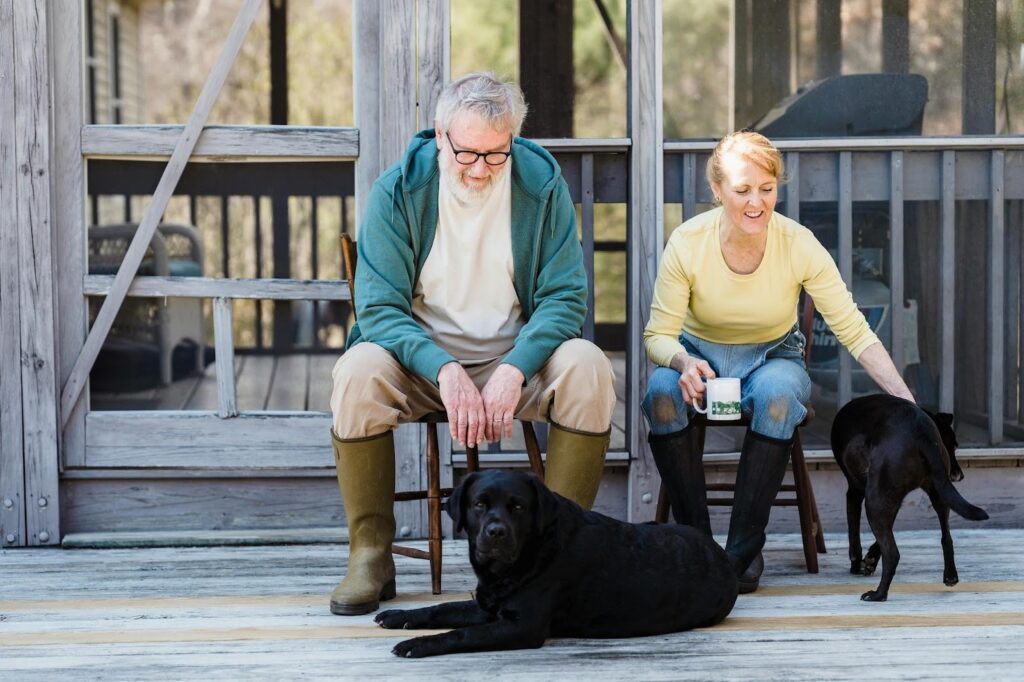
Caring for an older dog is a rewarding journey for every pet owner. Making small changes to your home makes their life much more comfortable, and helps them age with dignity. Senior years are a time to slow down and appreciate the deep bond you have built together.
Enjoy every single moment with your loyal friend during their special years. They will stay active and safe for a long time with just a little bit of extra care and planning. Your senior dog still has plenty of love to give and adventures to share with you.
Other Articles You May Find of Interest...
- Feeding For Longevity
- Pedialyte for Dogs: Is It Safe to Use for Dehydration and Upset Stomachs?
- Is Alprazolam Safe for Dogs? Exploring Its Benefits and Risks
- Is Xanax Safe for Dogs? Exploring Its Use and Effects
- Understanding Common Types of Pet Surgical Procedures
- Is Ketamine Really a Horse Tranquilizer? Understanding Its Uses and Misconceptions
- Why Ingredient Transparency Matters in Targeted Dog Health Supplements




