






More Pet Health Articles
Essential Medications to Skip Before Your PET Scan for Accurate Results
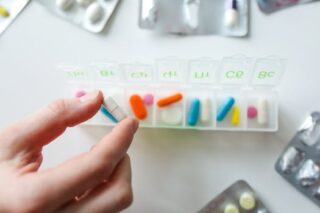
Undergoing a PET scan can be a crucial step in diagnosing various health conditions. However, to ensure the accuracy of your scan, it’s important to know the medications to avoid before a PET scan. Certain medications can interfere with the results, leading to potential misdiagnosis or the need for retesting. In this article, we’ll explore which medications might need to be paused before your scan and why this is essential.
Why Certain Medications Should Be Avoided Before a PET Scan
Positron Emission Tomography (PET) scans are advanced imaging tests that use a form of radioactive sugar to detect abnormalities in the body. The accuracy of a PET scan can be affected by the presence of certain medications, as these drugs may alter blood sugar levels or interact with the radioactive tracer used during the procedure.
For example, medications that affect blood glucose, such as insulin, can significantly impact the results. Additionally, some drugs might interact with the tracer, producing unclear or misleading images. Understanding which medications to avoid before a PET scan ensures that patients receive the most accurate results for their diagnosis.
Common Medications to Avoid Before PET Scan
Here is a list of commonly used medications and substances that may need to be avoided before your PET scan:
- Insulin and Antidiabetic Medications: These can alter blood sugar levels, affecting the uptake of the radioactive tracer.
- Steroids: Used for various inflammatory conditions, steroids might alter the scanning results.
- Beta-blockers: Medications like propranolol can impact heart rate and blood flow, potentially affecting the scan.
- Caffeine: Present in coffee and certain medications, can increase metabolism, altering the tracer’s distribution.
Before making any changes to your medication, consult with your healthcare provider. They may recommend adjustments such as temporarily stopping the medication or altering the dose.
Consulting with Your Healthcare Provider
Your healthcare provider is the best source of guidance when it comes to which medications to avoid before a PET scan. They can provide personalized advice based on your current medication regimen and health condition. Stopping some medications without guidance can be harmful, so professional consultation is crucial.
It’s also essential to disclose all medications you are currently taking, including over-the-counter drugs, supplements, and herbal products. This comprehensive list allows your provider to make informed decisions and minimize the risk of inaccurate PET scan results.
For more detailed guidance on preparing for medical tests, consider exploring resources on optimizing your health.
Additional Tips for Preparing for Your PET Scan
Beyond examining your medications, there are several other steps you can take to ensure the best results from your PET scan:
- Follow Fasting Guidelines: Many PET scans require fasting, as this helps ensure low blood sugar levels which optimize tracer uptake.
- Stay Hydrated: Drinking plenty of water can help flush out any residual tracer from your body after the scan.
- Avoid Strenuous Exercise: Physical exertion can affect the metabolism and potentially skewer the scan’s findings.
Always follow the specific instructions given by your healthcare provider or the diagnostic center where you will be having your PET scan.
What to Discuss with Your Physician
Before your scan, schedule a consultation to discuss any concerns you have about medications to avoid before a PET scan. Ask about the necessity of each medication and explore possible alternatives or modifications to your regimen that might not affect the scan results.
If maintaining certain medications is unavoidable, your physician may employ additional strategies, like scheduling the PET scan at a different time or adjusting dosages temporarily. These measures can help optimize the accuracy of your diagnostic test results.
For foundational health advice and reliable information regarding medical tests, consider consulting trusted health resources.
Final Thoughts on Medications to Avoid Before PET Scan
Ensuring accurate results from your PET scan involves being mindful of the medications to avoid before a PET scan. By consulting with healthcare professionals and following pre-scan instructions, you can better prepare for this important diagnostic procedure.
- Consult your healthcare provider about medications to pause before a PET scan.
- Provide a comprehensive list of all substances you are taking.
- Follow fasting and hydration instructions before the scan.
- Avoid caffeine and unnecessary exertion leading up to your appointment.
- Consider seeking alternative medication strategies that do not interfere with the scan.
FAQs
What is a PET scan used for?
A PET scan is used to diagnose various conditions, including cancers, heart diseases, and brain disorders, by showing how tissues and organs are functioning.
How long before a PET scan should I stop taking medication?
The timing to cease certain medications varies, so it’s crucial to follow your healthcare provider’s specific instructions, typically given during a pre-scan consultation.
Can I drink coffee before a PET scan?
It’s generally recommended to avoid caffeine before a PET scan, as it can affect metabolic activity and potentially alter the scan’s results.
Is it safe to stop taking my medication before a PET scan?
Only stop or adjust medications under the guidance of your healthcare provider, who will weigh the benefits and risks based on your health needs.
What happens if I take a medication I was supposed to avoid before a PET scan?
If this occurs, contact your physician immediately. They may need to reschedule the scan to ensure accurate results.
Other Articles You May Find of Interest...
- Choosing the Best Antibiotic Ointment for Cats: Essential Tips for Care
- Effective Strategies for Treating Fish Ich to Ensure Healthy Aquatic Life
- Unlocking the Benefits of Horse Salt for Optimal Equine Health
- Zyrtec Dosage for Dogs: How Much Can You Safely Give Your Pet?
- Recognizing the Signs: What Does a Dog Seizure Look Like?
- The Dangers of a Mouse Bite: What You Need to Know
- Is Loratadine Safe for Dogs? A Comprehensive Guide for Pet Owners




