More Pet Health Articles
Can Dogs Get Norwalk Virus? Understanding the Risks and Symptoms
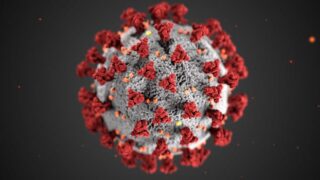
If you’ve ever found yourself wondering, “Can dogs get Norwalk virus?” you’re not alone. This query often arises when pet owners notice symptoms like vomiting and diarrhea in their furry friends. While the Norwalk virus, or norovirus, primarily affects humans, understanding its potential impact on dogs is crucial for responsible pet care.
Can Dogs Get Norwalk Virus?
Norovirus is well-known for causing outbreaks of gastroenteritis in humans, but what about dogs? The answer is a bit complex. While dogs don’t get the Norwalk virus in the same way humans do, they can experience similar symptoms from other viruses and conditions. It’s important to note that norovirus itself doesn’t typically infect dogs, but they can suffer from symptoms like vomiting and diarrhea due to other gastrointestinal viruses.
How Dogs Can Exhibit Symptoms Similar to Norwalk Virus
Dogs can encounter a variety of viruses that lead to symptoms resembling those caused by the Norwalk virus. Canine parvovirus, for instance, is a highly contagious viral disease that affects dogs’ gastrointestinal tracts. Symptoms include severe vomiting, loss of appetite, and diarrhea, which can be mistaken for norovirus-like symptoms.
Day-to-Day Impact on Dogs and Owners
When dogs experience gastrointestinal symptoms, it doesn’t just affect them; it also impacts their owners. Frequent clean-ups, potential vet visits, and the stress of seeing a beloved pet in pain can be challenging. Being informed about what might cause these symptoms can help in managing them effectively.
When to Seek Care
If your dog displays severe or persistent symptoms such as continuous vomiting, diarrhea, or dehydration, it’s time to consult a veterinarian. These professionals can rule out serious infections like parvovirus and provide appropriate treatment. Early intervention can prevent more severe complications and ensure a swift recovery.
The Truth About Transmission and Prevention
While norovirus itself isn’t a concern for dogs, ensuring good hygiene and observing safety measures can reduce the risk of other infections. Avoiding contact with sick animals, ensuring your dog is up-to-date on vaccinations, and maintaining cleanliness in their environment can help keep them healthy.
Potential Treatments and Interventions
If your dog is showing signs of gastrointestinal distress, a veterinarian may suggest treatments based on the underlying cause. For instance, fluid therapy can be crucial for keeping your dog hydrated. In some cases, anti-nausea medications or antibiotics may be prescribed to help manage symptoms and fight bacterial infections. Always follow your veterinarian’s guidance before administering any treatments.
Common Risks for Dogs and Symptom Management
Being aware of potential risks such as exposure to contaminated water or coming into contact with infected animals can help you proactively protect your pet. Symptoms like lethargy, diarrhea, and vomiting should be addressed promptly to prevent worsening health issues.
Internal Reference to Related Health Topics
If you’re interested in learning about other health conditions that might affect both humans and animals, you may find our article on Recognizing the Signs: Are You Experiencing Symptoms of Hemochromatosis? informative.
External Reference for Gastrointestinal Health
For more information on human and animal gastrointestinal viruses, you can visit the CDC’s Norovirus page. Though focused on humans, it provides valuable insight into the nature of viral gastroenteritis.
- Dogs do not get Norwalk virus the same way humans do.
- Symptoms like vomiting and diarrhea in dogs can be caused by other viruses.
- Seek veterinary care if symptoms persist or are severe.
- Proper hygiene and vaccination can help prevent similar symptoms in dogs.
- Veterinarian guidance is crucial for the correct diagnosis and treatment.
Common Questions
What are common symptoms that might mimic Norwalk virus in dogs?
Common symptoms include vomiting, diarrhea, lethargy, and loss of appetite, often resulting from other viral infections or gastrointestinal issues.
When should I take my dog to the vet?
If your dog shows severe symptoms such as continual vomiting, bloody stools, or signs of dehydration, a visit to the vet is necessary. Early treatment can prevent more serious health issues.
Can a vet differentiate between Norwalk virus symptoms and other conditions?
Yes, veterinarians can conduct tests to determine the specific cause of gastrointestinal symptoms, distinguishing between parvovirus and other infections.
How can I protect my dog from viral infections?
Ensure your dog’s vaccinations are current, maintain a clean environment, and limit exposure to sick animals to reduce the risk of infection.
What should I do if multiple pets in my household are experiencing symptoms?
If you notice similar symptoms in multiple pets, separate them and consult your veterinarian to assess and control the possible spread of contagious infections.
Understanding whether or not can dogs get Norwalk virus highlights the importance of recognizing and addressing symptoms effectively in your pets to ensure their health and well-being.
Other Articles You May Find of Interest...
- The Health Benefits of Pet Ownership for Small-Space and Senior Living
- 5 Pet Symptoms That May Warrant Urgent Veterinary Care
- What to Do After a Dog Bite Injury
- Hypoallergenic Cat Breeds: What Allergy Sufferers Should Know Before Adopting
- Keeping Pets Safe in Homes Where Cannabis Products Are Present
- Is Manuka Honey Good for Dogs?
- Is Your Dog Waking Up Stiff? 5 Signs Their Bed May No Longer Be Supportive