More Pain Management & Rehabilitation Articles
Unlocking the Power of Hip Internal Rotators for Optimal Movement
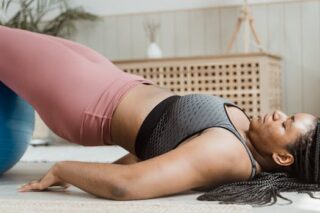
Understanding the role of hip internal rotators is essential for maintaining optimal movement and enhancing overall physical performance. These muscles play a critical part in the rotation and stabilization of the hip joint, influencing everything from walking to advanced athletic maneuvers. In this comprehensive guide, we will explore the anatomy, function, and importance of the hip internal rotators, along with strategies for strengthening and maintaining them for enhanced movement and prevention of injuries.
The Anatomy and Function of Hip Internal Rotators
The hip internal rotators are a group of muscles that allow the thigh to rotate inward. This muscular function is vital for efficient movement patterns and stability in various activities. The primary muscles involved in internal rotation include the tensor fasciae latae, gluteus medius, gluteus minimus, and a portion of the adductor group. Each muscle contributes uniquely to the complexity and flexibility of hip movements.
The tensor fasciae latae assists in stabilizing the hip and knee during weight-bearing activities. The gluteus medius and minimus not only aid in rotation but also in hip abduction, offering critical support during activities such as walking, running, and cycling. A well-functioning set of hip internal rotators can greatly influence your posture and mechanics, leading to optimal performance and reduced risk of injury.
Why the Hip Internal Rotators Matter
Strong and flexible hip internal rotators are foundational for athletic activities. They support stability and mobility, which are crucial for executing complex movements such as change of direction, jumping, and balance. Additionally, these muscles play a significant role in maintaining proper pelvic alignment and posture, which affects the lower back and legs.
Weakness or tightness in the hip internal rotators can lead to a range of issues, such as pain in the hip joint, lower back discomfort, and even knee injuries. This might result from muscle imbalances, improper training, or insufficient stretching. Thus, maintaining the health of these muscles is vital for preventing injuries and enhancing athletic performance.
Exercises to Enhance Hip Internal Rotator Strength
Incorporating specific exercises into your fitness routine can significantly improve the strength and flexibility of the hip internal rotators. Here are some targeted exercises:
- Clamshells: Lying on your side with knees bent, raise your top knee while keeping your feet together. This exercise engages the gluteus medius and minimus.
- Monster Walks: Using a resistance band around your lower legs, step side to side in a squatting position. This helps strengthen the tensor fasciae latae.
- Seated Hip Internal Rotation: Sit on a chair, and place a resistance band around your ankles. Slowly move one foot inward against the band. This exercise focuses on active internal rotation.
Incorporating these exercises can improve your hip mobility and reduce the likelihood of injury. Consistency and proper form are key to reaping these benefits.
Maintaining Flexibility in Hip Internal Rotators
Alongside strength, flexibility is essential for the proper function of hip internal rotators. Dynamic and static stretches should be an integral part of your fitness routine to maintain this flexibility. Here are a few stretching techniques:
- Crossover Stretch: Lying on your back, bring one leg across your body while keeping your shoulders flat. Feel the stretch through your glutes and lower back.
- Pigeon Pose: A yoga pose that opens the hip rotators and provides a deep stretch to the surrounding muscles.
- Hip Flexor Stretch: Kneeling on one knee, push your hips forward to stretch the hip flexors and surrounding rotator muscles.
These stretches, when performed regularly, can enhance flexibility, prevent injuries, and aid in recovery after intense workouts.
Common Issues Related to Hip Internal Rotators
Despite their importance, hip internal rotators are often overlooked, leading to common issues such as tightness, weakness, or imbalance. These issues can result in compensatory movement patterns and increase the risk of injury.
Maintaining a balanced training regimen that includes strengthening and stretching exercises is essential for reducing these risks. Consulting with a physical therapist or trainer can also provide personalized strategies to address any specific concerns related to hip mechanics.
Nutrition and Recovery for Hip Internal Rotators
Just as exercise regimens are important, nutrition and recovery play crucial roles in muscle health. Ensuring adequate protein intake and proper hydration supports muscle repair and growth. Incorporating anti-inflammatory foods, such as leafy greens and omega-3 fatty acids, may also aid in recovery from intense training sessions.
Implementing recovery techniques like foam rolling, massage, and sufficient rest can facilitate better muscle performance and reduce soreness, allowing for continued training and improvement.
Conclusion
The hip internal rotators are essential components of a balanced and effective movement system. Prioritizing strength, flexibility, and proper care of these muscles can enhance your day-to-day activities and athletic endeavors. By understanding and nurturing these vital muscles, you can unlock their full potential for optimal movement and performance.
- The hip internal rotators are crucial for coordinated movement and stability.
- Strengthening and stretching are key to preventing injuries and enhancing performance.
- Proper nutrition and recovery strategies support muscle health.
- Regular assessment and care can improve hip function and overall mobility.
What are the hip internal rotators?
Hip internal rotators are a group of muscles responsible for rotating the thigh inward. They include the tensor fasciae latae, gluteus medius, gluteus minimus, and some adductor muscles.
What exercises target the hip internal rotators?
Exercises like clamshells, monster walks, and seated hip internal rotations target the hip internal rotators by improving their strength and mobility.
Why is flexibility important for these muscles?
Flexibility allows the hip internal rotators to function properly, reducing injury risk and promoting better athletic performance.
Can weak hip internal rotators cause hip pain?
Yes, weak hip internal rotators can lead to imbalances and compensatory movements, potentially causing hip pain and other discomforts.
How can I recover after working out the hip internal rotators?
Adequate rest, proper hydration, and techniques like foam rolling and massage can aid in recovery after workouts targeting the hip internal rotators.
For more detailed information, visit an academically recognized source, such as this article on Wikipedia.
Other Articles You May Find of Interest...
- What to Do If You Think You Have a Broken Tailbone
- Closed Reduction With External Fixation: How It Stabilizes a Fracture
- Knee Massager for Muscle Tension Around the Knee What You Need to Know
- What Life Really Looks Like a Year After Spine Surgery
- Gout or Bursitis? Why Joint Swelling Can Look the Same
- Broken Kneecap Recovery: How Long Healing Usually Takes
- The Thumb Grind Test: What Pain During It Can Mean