More Pain Management & Rehabilitation Articles
The Truth About Hip Pain That Most People Ignore for Too Long
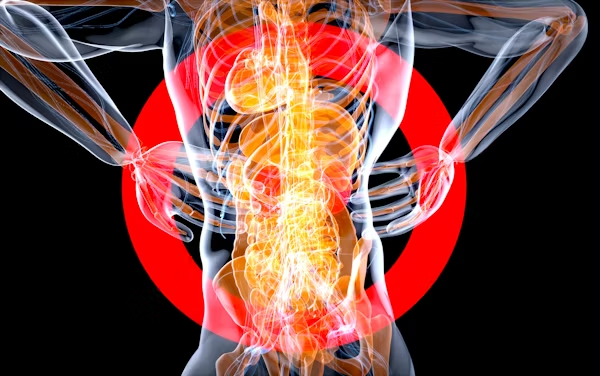
Most people put up with hip pain far longer than they should.
They adjust their walking. They stop doing the things they enjoy. They tell themselves it will settle down on its own.
Month after month, it quietly gets worse.
Hip pain is one of the most commonly dismissed complaints in adult health, yet it is also one of the most treatable when addressed at the right time. Whether you are noticing stiffness after a run or struggling to get through a normal day, understanding what your hip is telling you matters more than most people realise.
Why the Hip Gets Ignored for So Long
The hip is a remarkably resilient joint. It carries your full body weight through every step, every climb, every twist and turn.
Because it is built to handle so much, people assume that pain in that area is just normal wear and tear.
To some extent, that is true. The hip does wear over time.
But there is a meaningful difference between occasional soreness after a heavy week and persistent pain that affects your sleep, your gait, or your ability to move freely. Most people blur that line for years before seeking help.
There is also a cultural element at play. Pushing through pain is seen as stoic. Seeking help for a joint that is “just getting older” can feel unnecessary.
The reality is that untreated hip problems do not simply plateau. They progress. And the longer they are left, the more surrounding structures compensate in ways that create additional problems down the line.
What Is Actually Going On Inside the Joint
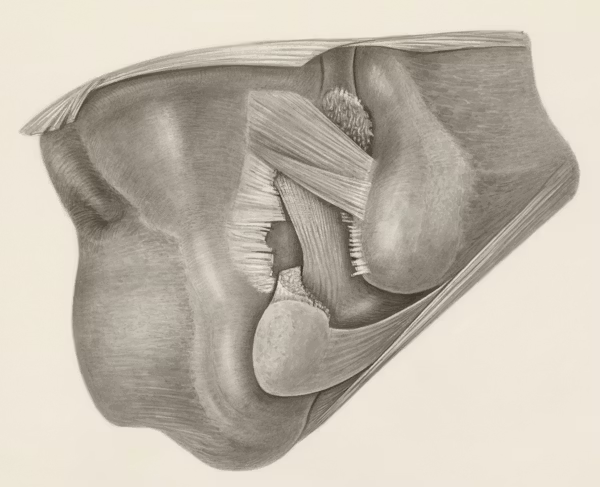
The hip is a ball-and-socket joint. The rounded head of the femur sits inside a cup-shaped socket in the pelvis, cushioned by cartilage and surrounded by fluid and tissue.
When that cartilage starts to break down, the bones begin to move with less protection. That friction creates pain, stiffness, and inflammation.
Osteoarthritis is the most common cause of hip pain in adults over forty. But it is far from the only one.
Hip impingement, labral tears, bursitis, and avascular necrosis all cause significant hip pain, and each requires a different approach to treatment.
This is why self-diagnosing based on symptoms alone is rarely helpful. The location of the pain, when it appears, and how the joint moves all provide critical diagnostic information that only a proper clinical assessment can interpret accurately.
The Symptoms People Tend to Dismiss
Hip pain does not always feel like what people expect.
Many assume it produces pain directly at the side of the hip. In reality, the discomfort often presents in the groin, the inner thigh, or even the knee. This is one reason hip issues get misattributed to other causes for so long.
Stiffness, which is the worst first thing in the morning, is a common early indicator. So is a reduced range of motion that makes it harder to put on shoes, get in and out of a car, or climb stairs without gripping the rail.
Some people notice a clicking or catching sensation deep in the joint. Others describe a dull ache that never fully goes away, even at rest.
In more advanced cases, the pain becomes sharp and constant, disrupting sleep and making any weight-bearing activity difficult.
None of these symptoms should be waited out indefinitely. They are signals. Paying attention to them early gives you more options, not fewer.
Non-Surgical Approaches and When They Work
Not every hip problem ends in surgery.
For a significant number of people, the right combination of conservative treatments produces meaningful and lasting relief.
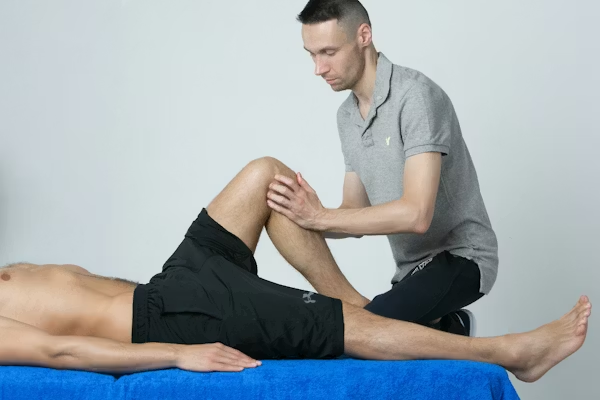
Physiotherapy is usually the first port of call. A skilled physiotherapist will assess how you move, identify which muscles are overloading the joint, and develop a targeted programme to address the imbalance. This works particularly well for bursitis, mild impingement, and early-stage osteoarthritis.
Anti-inflammatory medications and corticosteroid injections can provide relief that makes rehabilitation easier. They are not long-term solutions on their own, but as part of a broader management plan, they have their place.
Weight management also carries more influence than most people give it credit for. Every kilogram of body weight places roughly three to six kilograms of load on the hip joint during normal walking. Reducing excess weight can meaningfully slow the progression of hip degeneration.
The key with all of these approaches is professional guidance. What works depends entirely on the specific nature of the problem.
When Surgery Becomes the Right Conversation
There comes a point for many people when conservative management has been genuinely exhausted and quality of life is still significantly compromised.
That is when surgical options enter the conversation properly.
Hip replacement surgery has one of the highest satisfaction rates of any elective procedure in medicine. The vast majority of people who undergo it report dramatic improvements in pain, mobility, and overall wellbeing.
But the outcome depends enormously on the quality of the surgical team, the appropriateness of the procedure for your condition, and the rehabilitation that follows.
Choosing to work with experienced hip surgeons gives you access to specialist expertise that accounts for your anatomy, your activity goals, your age, and the specific nature of your joint damage.
A thorough pre-surgical assessment will also explore whether less invasive options, such as hip resurfacing or arthroscopic procedures, might be more appropriate for your situation.
Even if you are not yet certain surgery is the right path, a consultation gives you a clear clinical picture and a set of informed options rather than an uncertain wait.
What Modern Hip Surgery Actually Involves
Hip surgery has changed considerably in recent decades.
Minimally invasive techniques now allow many procedures to be performed through smaller incisions, with less disruption to surrounding muscle and tissue. This means reduced blood loss, shorter hospital stays, and faster recovery compared to older approaches.
The implants themselves have also advanced significantly. Modern prosthetics are designed to last longer and replicate the natural movement of a healthy hip more closely than earlier generations.
Robotic-assisted surgery is increasingly available for hip replacement. It allows the surgeon to plan and execute the procedure with a level of precision that improves implant positioning and reduces the risk of complications.
Recovery timelines vary depending on the procedure and the individual. Most people are walking with assistance within a day of surgery. Many are moving independently within weeks.
Full recovery, including return to recreational activities, takes several months and involves a structured physiotherapy programme.
Making the Decision With Confidence
Deciding to pursue treatment is easier when you feel genuinely informed.
Start by documenting your symptoms honestly. When did they begin? What makes them worse? What have you already tried? This information is valuable in any clinical consultation.
Ask questions at every stage. A good clinician welcomes them.
Seek a second opinion if something does not feel right. That is not being difficult; it is being responsible. Particularly for surgical decisions, having more than one expert perspective is entirely appropriate.
Understand that doing nothing is also a choice, and it carries consequences. Hip conditions left unmanaged rarely stabilise permanently. They worsen, and they tend to take other parts of the body with them as compensatory movement patterns take hold.
Taking the First Step
If hip pain is affecting your sleep, your movement, or the things you value doing, that is enough reason to seek proper assessment.
You do not need to be unable to walk before you deserve attention. You do not need to exhaust every home remedy before speaking to a professional.
The hip responds well to intervention, especially before damage becomes severe. Modern medicine offers options at every stage, from targeted physiotherapy to precision surgical procedures.
The right option for you exists somewhere in that range.
The only way to find it is to start the conversation.
Other Articles You May Find of Interest...
- What to Do If You Think You Have a Broken Tailbone
- Closed Reduction With External Fixation: How It Stabilizes a Fracture
- Knee Massager for Muscle Tension Around the Knee What You Need to Know
- What Life Really Looks Like a Year After Spine Surgery
- Gout or Bursitis? Why Joint Swelling Can Look the Same
- Broken Kneecap Recovery: How Long Healing Usually Takes
- The Thumb Grind Test: What Pain During It Can Mean