More Pain Management & Rehabilitation Articles
Navigating the Unhappy Triad: Causes, Symptoms, and Treatment Options
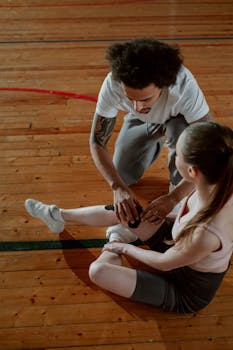
Imagine you’re an athlete, fully immersed in a high-intensity sport, when suddenly you fall awkwardly, and sharp pain pierces through your knee. You might be experiencing what’s often referred to as the “unhappy triad.” This injury involves a tear to the anterior cruciate ligament (ACL), the medial collateral ligament (MCL), and the medial meniscus within the knee, typically occurring during contact sports or traumatic events. Understanding the symptoms, treatment options, and when to seek professional care can be crucial for effective management and recovery.
Understanding the Unhappy Triad
The unhappy triad is a debilitating knee injury that can severely impact an individual’s mobility and lifestyle. Common sports like football, soccer, and skiing are often linked to this injury, thanks to the high levels of stress they place on the knees. If you find yourself unable to continue everyday activities like walking, exercising, or climbing stairs due to knee pain, it’s essential to consider what might be happening inside your knee.
Causes and Symptoms
So, what causes the unhappy triad? Sudden trauma or impact that forces the knee out of its normal alignment can result in this complex injury. Athletes are particularly vulnerable, but it can happen to anyone subjected to a similar physical force. The symptoms usually include severe pain, swelling, and inability to move the knee. You might also hear a “popping” sound at the moment of injury.
Treatment Options
Treating the unhappy triad often starts with addressing the pain and managing the immediate symptoms. Initial care usually involves the R.I.C.E. method: Rest, Ice, Compression, and Elevation. However, for many individuals, especially athletes looking to return to their sport, surgery may be recommended to repair the torn ligaments and cartilage.
Surgical options often involve reconstructive surgery for the ACL and may include repair or removal of the damaged meniscus. Post-surgery, physical therapy plays a critical role, helping to regain strength and restore full function. Each recovery plan should be tailored, as individual results and recovery times can vary significantly.
Medications and Pain Management
In managing an injury like the unhappy triad, medication often plays a key role in alleviating pain and reducing inflammation. Over-the-counter pain relievers like ibuprofen may be recommended as part of the initial self-care treatment. However, it’s crucial to consult with a healthcare provider to ensure that any medication is safe and appropriate for your personal health conditions. For some individuals, stronger prescription medications might be suggested during the post-surgical phase.
When to Seek Care
If you suspect a triad injury due to persistent knee pain, swelling, and instability, it’s essential to consult an orthopedic specialist for an accurate diagnosis and personalized treatment plan. Early intervention can prevent further damage and aid in a quicker recovery, making everyday activities and exercise more manageable again. If you’re interested in getting more active post-recovery, consider taking small steps towards a more active lifestyle by exploring resources like this guide.
Prevention and Recovery Strategies
Preventing knee injuries involves strengthening exercises focusing on the muscles supporting the knee, as well as improving flexibility and joint stability. Wearing proper footwear and knee support during physical activities can also help. Post-injury, working with a physical therapist can guide your recovery process and help ensure a successful return to your activities while reducing the risk of re-injury.
Physical Therapy’s Role
Physical therapy is a cornerstone in recovering from the unhappy triad. A therapist will help guide you through exercises specifically designed to strengthen the knee and improve flexibility. This stage of recovery can take several months, requiring dedication and commitment. Gradually, mobility increases, and with successful rehabilitation, patients often regain full activity levels.
Considerations for Athletes
Athletes facing an unhappy triad injury must carefully weigh their options for returning to their sport. Conversations with healthcare providers should focus on understanding the risks of re-injury and setting realistic timelines for returning to sports. Emotional resilience and mental preparedness are also important for athletes navigating the challenges of an extended recovery period.
The path to recovery from an unhappy triad varies, and working closely with healthcare professionals can optimize your recovery. Explore comprehensive information on knee injuries and their management at Mayo Clinic for more resources on sustaining knee health and wellness.
Takeaways
- The unhappy triad involves injuries to the ACL, MCL, and meniscus in the knee.
- Surgical interventions and physical therapy are key aspects of treatment.
- Consulting specialists early can prevent further injury and aid recovery.
- Exercises for prevention and rehabilitation focus on strengthening and stability.
- Consideration of long-term impacts is important for athletes recovering from this injury.
Common Questions
When should I see a doctor for knee pain?
If you experience severe knee pain, swelling, or instability, especially following a sports injury or fall, it’s important to consult an orthopedic specialist for evaluation and management.
What type of healthcare provider treats the unhappy triad?
An orthopedic surgeon often addresses this complex knee injury, as surgical intervention may be required for repair. Physical therapists play a crucial role in post-surgery rehabilitation.
How long does recovery from the unhappy triad take?
Recovery varies depending on the severity of the injury and the type of treatment. It can take several months to a year to fully recover and return to pre-injury activity levels.
What questions should I ask my doctor about surgical options?
Inquire about the risks and benefits of surgery, what the recovery timeline looks like, and what kind of rehabilitation will be involved. Understanding the surgery’s impact on future activity levels is also important.
Can I prevent the unhappy triad from happening again?
While no method is foolproof, incorporating knee-strengthening exercises, using proper sports techniques, and wearing supportive gear can help reduce the risk of re-injury.
Other Articles You May Find of Interest...
- Mild Degenerative Changes of the SI Joints: What the Report Means
- When Can You Climb Stairs After Patella Fracture Surgery?
- What to Do If You Think You Have a Broken Tailbone
- Closed Reduction With External Fixation: How It Stabilizes a Fracture
- Knee Massager for Muscle Tension Around the Knee What You Need to Know
- What Life Really Looks Like a Year After Spine Surgery
- Gout or Bursitis? Why Joint Swelling Can Look the Same