More Pain Management & Rehabilitation Articles
Managing Suprapatellar Joint Effusion: Causes, Symptoms, and Treatment Options
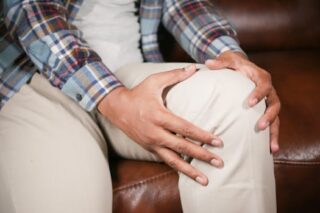
If you’ve ever experienced a swollen or stiff knee, you know how it can quickly interfere with daily activities. Suprapatellar joint effusion is a condition that often flies under the radar but can significantly affect mobility and quality of life. It involves the accumulation of excess fluid in the suprapatellar bursa above the knee joint, leading to discomfort and restricted movement. Understanding the causes, symptoms, and treatment options is essential to managing this condition effectively.
Causes and Contributing Factors
Suprapatellar joint effusion can arise from various causes, with injury, inflammation, and medical conditions being the most common culprits. Knee injuries such as ligament tears or fractures can lead to a small knee joint effusion. Inflammatory conditions like arthritis, gout, or infections are also frequent contributors. For some individuals, overuse or repetitive stress can exacerbate the problem, particularly in athletes or those with physically demanding jobs.
Recognizing Symptoms
Common symptoms of suprapatellar effusion include swelling, stiffness, and a feeling of tightness in the knee area. These symptoms may lead to difficulty in extending or bending the knee fully. In some cases, the affected knee may feel warm to the touch or even appear discolored. The discomfort often increases with activity and may improve with rest.
Diagnosis and Medical Evaluation
To diagnose suprapatellar joint effusion, a healthcare provider may perform a physical exam and discuss your symptoms and medical history. Imaging tests such as X-rays or MRIs can provide detailed insights into the extent of fluid accumulation and identify any underlying causes. Sometimes, the fluid may be aspirated for further analysis. The evaluation process often involves ruling out other potential knee issues to target the treatment effectively.
When to Seek Care
While occasional knee discomfort might not be a cause for immediate concern, persistent or severe symptoms warrant professional evaluation. If you notice considerable swelling, lack of mobility, or pain that affects your daily life, consulting an orthopedic specialist or rheumatologist can be beneficial. They can provide a more precise diagnosis and develop a personalized treatment plan. Seeking care promptly can prevent complications and aid in quicker recovery.
Effective Treatment Options
Treatment for suprapatellar joint effusion often begins with conservative approaches, easing symptoms and improving function. Rest, ice application, compression, and elevation (RICE) are classic remedies. Over-the-counter anti-inflammatory medications can also help reduce swelling and pain. In some cases, physical therapy may be recommended to strengthen the muscles around the knee and improve range of motion.
Prescription Medications and Their Role
Your doctor may recommend anti-inflammatory or corticosteroid injections for persistent effusion or when conservative measures provide little relief. It’s crucial to discuss potential side effects and benefits before starting any medication. Keep track of how your body responds to these treatments, as adjustments might be necessary over time. For further details on medication options, consult a reliable medical resource.
Day-to-Day Management and Prevention
Incorporating lifestyle changes can help manage suprapatellar joint effusion and prevent future occurrences. Maintaining a healthy weight reduces stress on your knees, while regular, low-impact exercises such as swimming or cycling can strengthen knee muscles without overloading the joint. A diet rich in anti-inflammatory foods may also provide joint support. For some people, considering a high-protein diet could assist in muscle maintenance and recovery.
Common Questions
How do I know if my knee swelling is serious?
If the swelling is accompanied by severe pain, significant limitation in movement, or does not improve with self-care measures, it may indicate a serious condition that requires medical attention.
Who can help me with suprapatellar joint effusion?
An orthopedic doctor or a rheumatologist is best suited to diagnose and treat knee joint effusions. Physical therapists can also assist in rehabilitation.
What are common causes of suprapatellar joint effusion?
Common causes include knee injuries, inflammatory conditions like arthritis, infections, and overuse from repetitive activities.
Can lifestyle changes really make a difference?
Yes, managing weight, engaging in appropriate exercises, and following a balanced diet can significantly impact knee health, reducing the risk of effusion recurrence.
Are there any exercises I should avoid?
Avoid high-impact activities that strain the knees, such as running on hard surfaces. Opt for low-impact exercises that keep your knees active without excessive stress.
Takeaways
- Suprapatellar joint effusion involves fluid buildup in the knee, causing swelling and decreased mobility.
- Common causes include injuries, arthritis, and overuse.
- Diagnosis involves physical exams and imaging tests to identify underlying issues.
- Treatment options range from RICE and medications to potential physical therapy.
- Lifestyle changes like weight management and exercises can help in long-term management.
Ultimately, understanding and addressing suprapatellar joint effusion can go a long way in maintaining an active, comfortable lifestyle. Consult with healthcare providers to create a tailored plan that matches your needs, addressing both immediate relief and long-term joint health.
Other Articles You May Find of Interest...
- Radius and Ulna Fractures at the Wrist: Treatment and Recovery
- Signs Your Knee Cartilage May Be Damaged
- What to Avoid With C5-C6 Degenerative Disc Disease
- Treating a Pinched Nerve in the Lower Back
- Treating Knock Knees in Adults: Exercise, Bracing, and Surgery
- Why Radiofrequency Ablation Might Be Your Answer to Chronic Neck and Back Pain
- When Headaches Become Chronic: Knowing When to See a Pain Specialist