






More Neurology Articles
Exploring the Longitudinal Fissure: Secrets of the Brain’s Major Divide
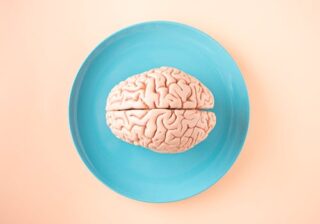
The longitudinal fissure is a major groove in the brain, dividing the left and right cerebral hemispheres. Understanding this structural feature is crucial for insights into brain functions and its complex physiology. In this article, we explore the significance of the longitudinal fissure, how it contributes to brain activity, and its relevance to neurological studies.
The Role of the Longitudinal Fissure
The longitudinal fissure, also known as the longitudinal cerebral fissure, plays a fundamental role by acting as a physical boundary between the two hemispheres of the brain. This separation is critical for several reasons, including the specialization of each hemisphere in different cognitive tasks. For instance, the left hemisphere is often associated with logical reasoning and language skills, while the right hemisphere is more engaged in creative and spatial activities.
History and Discovery
The understanding of the longitudinal fissure dates back to early neuroanatomical studies. Scientists sought to unravel the mysteries behind mental processes and cerebral specialization. The longitudinal fissure brain division was one of the first brain structures to be identified, highlighting its importance in the study of neurology and cognitive science.
Structure and Anatomy
The longitudinal fissure runs along the midline of the brain, extending from the frontal lobe to the occipital lobe at the back. This deep groove contains a thin membrane known as the falx cerebri, which provides structural support and separates the two hemispheres. By maintaining this separation, the fissure ensures that the brain’s left and right sides can operate both independently and collaboratively.
Functional Significance
One of the fascinating aspects of the longitudinal cerebral fissure is its role in the coordination and communication between the two hemispheres. The corpus callosum, a thick bundle of nerve fibers, bridges the fissure, allowing for the transfer of information. This connection is vital for tasks requiring integrated brain functions, such as problem-solving and motor coordination.
Researchers continue to study this area to discover how disruptions in hemispheric communication might relate to certain neurological conditions. For example, examining the function and potential anomalies of the longitudinal fissure can offer insights into conditions like epilepsy or developmental disorders.
Implications for Neurological Conditions
Disruptions in the integrity or function of the longitudinal fissure can lead to significant health challenges. Anomalies in this region have been associated with a variety of cognitive and developmental issues. Understanding these implications helps in the development of treatments and interventions aimed at improving brain health.
For instance, if connectivity through the corpus callosum is compromised, it can affect the harmonious functioning of the hemispheres. This can result in conditions like split-brain syndrome, where communication between the brain’s halves is severely impaired.
Research and Future Directions
In modern neuroscience, the study of the longitudinal fissure has expanded to include advanced imaging techniques like MRI and CT scans. These tools help researchers delve deeper into its structure and function. By understanding the minutiae of the longitudinal fissure brain division, scientists hope to make breakthroughs in treating brain-related disorders.
Moreover, ongoing research investigates how enhancing inter-hemispheric communication could mitigate some neurological issues. Some studies even explore how dietary factors and supplements might support brain functions. For more about nutritional support for cognitive health, consider reading about brain-boosting vitamins.
The Significance of Individual Differences
Everyone’s brain is slightly different, and the variance in the longitudinal fissure can indicate differences in cognitive abilities and risks for certain conditions. This has led to personalized approaches in neurology and psychology, tailoring interventions to the individual’s unique brain configuration.
Understanding the genetic and environmental factors affecting the development and function of the longitudinal fissure remains a vibrant field of research. Continued exploration may provide answers to complex neurological and psychological health questions.
- The longitudinal fissure is a key feature dividing the brain’s two hemispheres.
- It plays a vital role in facilitating specialized tasks performed by each hemisphere.
- Anomalies in this region can impact cognitive and neurological health.
- Ongoing research is essential for understanding health conditions linked to the fissure.
- Differences in this structure can lead to personalized health interventions.
What is the function of the longitudinal fissure?
The longitudinal fissure divides the two hemispheres of the brain, allowing them to operate both separately and together for a wide range of cognitive and motor functions.
How was the longitudinal fissure discovered?
It was identified through early neuroanatomical exploration, which provided insights into the structural organization of the brain.
Can abnormalities in the longitudinal fissure lead to health issues?
Yes, abnormalities can lead to developmental and neurological disorders, making it a critical focus of medical research.
How does the longitudinal fissure influence cognitive diversity?
Individual differences in the fissure can affect cognitive abilities and risks for certain neurological conditions, influencing personalized medicine approaches.
Where can I find more information about brain anatomy?
For more scientifically detailed information on brain anatomy, you can explore resources such as Wikipedia’s article on the brain.
Other Articles You May Find of Interest...
- What Does a Positive Romberg Test Indicate for Your Health?
- Exploring the Longitudinal Fissure: Secrets of the Brain’s Major Divide
- Enhancing Neurological Health Through Effective Cranial Nerve Testing
- Exploring the Function and Significance of the Sulcus Interventricularis Anterior in Heart Health
- Protecting Your Brain Health in the Era of AI and Infinite Scrolls
- What Is Pronator Drift? A Simple Neurological Sign With Important Clues
- ALS or MS: What’s the Difference and How to Cope?




