






More Neurology Articles
Exploring the Importance of the Thecal Sac in Spinal Health
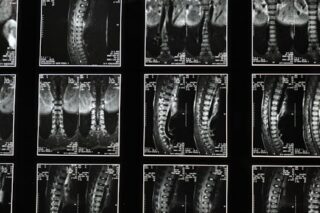
The thecal sac is an essential component of spinal health, yet it is often overlooked in discussions about spinal anatomy. This protective membrane encases the spinal cord and cerebrospinal fluid, playing a crucial role in the spinal system’s overall functioning. Understanding its significance can help in appreciating how the body supports and protects the spine and nervous system.
What is the Thecal Sac?
The thecal sac is a membranous sheath that surrounds the spinal cord and the nerve roots, filled with cerebrospinal fluid (CSF). This sac extends from the brain to the lower back and provides a cushioning effect that protects the spinal cord from injury. It’s akin to a protective envelope that ensures the delicate neural structures it encloses are safe from physical trauma.
Anatomy and Function
Understanding the anatomy of the thecal sac involves recognizing its components and their role in spinal health. This sac is part of the dura mater, which is the outermost layer of the three meninges that encase the central nervous system. By cushioning the spinal cord, the thecal sac serves to absorb shock and reduce friction that might otherwise lead to damage.
Common Conditions Affecting the Thecal Sac
The thecal sac, while protective, can be involved in various spinal conditions. Among the most common is a herniated disc, where the disc material presses on the thecal sac leading to pain or neurological symptoms. Spinal stenosis, which involves the narrowing of the spinal canal, may also affect the thecal sac, leading to compression.
Conditions like these necessitate careful assessment to determine how they impact overall spinal health. Treatments can vary widely, from physical therapy to surgical interventions, depending on the severity of the condition.
Thecal Sac and Back Pain
Back pain is a common symptom associated with thecal sac issues, and understanding the sac’s role can offer insights into these problems. Since thecal sac compression or irritation can result in nerve pressure, it often manifests as pain in the back or down the limbs. This is where consulting with healthcare providers becomes essential to determine the cause and appropriate treatment of such pain.
Prevention and Health Management
Ensuring the health of the thecal sac involves maintaining overall spinal health. Regular exercise, proper posture, and a nutritious diet are crucial in supporting spinal integrity and function. Activities that strengthen the core muscles can help stabilize the spine and alleviate unnecessary pressure on the thecal sac.
For more information on how lifestyle choices can impact your spinal and overall health, visit our article on lifestyle choices and health impact.
The thecal sac in Diagnostic Imaging
Diagnostic imaging, such as MRI and CT scans, plays a vital role in assessing the health of the thecal sac. These imaging techniques provide detailed views that allow healthcare providers to see abnormalities or pressure points related to the thecal sac. Early diagnosis can lead to better management of spinal conditions and prevent further complications.
Current Research and Outlook
Ongoing research continues to explore the role of the thecal sac in spinal disorders and potential treatments. Innovations in imaging and surgical procedures illustrate a growing understanding of spinal health that promises better outcomes. This growing body of research highlights the importance of regular check-ups and awareness in maintaining spinal health.
For reliable external information on spinal anatomy and related health topics, refer to this health overview.
In summary, while often hidden from everyday consideration, the thecal sac is crucial to our spinal health, providing protection and support to one of the body’s most sensitive areas. By understanding its function and the factors that affect it, we can take proactive steps to preserve our spinal wellness.
- The thecal sac is a protective sheath around the spinal cord.
- It plays a crucial role in cushioning and safeguarding the spinal nerves.
- Conditions like herniated discs and spinal stenosis can affect the thecal sac.
- Spinal health can be maintained through exercise and proper lifestyle choices.
- Regular diagnostics can aid in early detection of thecal sac-related issues.
What symptoms indicate a problem with the thecal sac?
Common symptoms include back pain, numbness, tingling, or weakness in the limbs. These symptoms can result from nerve compression due to issues with the thecal sac.
How is a thecal sac problem diagnosed?
A doctor may recommend imaging tests such as MRI or CT scans to diagnose issues with the thecal sac, assessing for herniated discs or stenosis.
Can thecal sac issues be treated non-surgically?
Yes, treatments often start with physical therapy, medication for pain management, and lifestyle modifications. Surgical intervention is considered if non-surgical methods are ineffective.
How does lifestyle impact thecal sac health?
Maintaining a healthy weight, staying active, and avoiding smoking significantly contribute to spinal and thecal sac health by reducing undue pressure and promoting strong support muscles.
Is surgery always required for thecal sac issues?
No, surgery is often a last resort. Many individuals find relief through non-surgical treatments, but severe cases involving persistent symptoms may require surgical intervention.
Other Articles You May Find of Interest...
- Navigating Fast Scale Dementia: Key Insights for Care and Support
- Is Tethered Spinal Cord Syndrome Affecting Your Health?
- Is It Safe to Drive with a Concussion?
- Is Neuroforaminal Narrowing Affecting Your Health? Discover the Signs and Solutions
- Unraveling Subacute Combined Degeneration: Symptoms, Causes, and Treatment Options
- What Causes Numbness and Tingling in Your Tongue?
- What is Mesial Temporal Sclerosis and How Does It Affect Your Health?



