






More Neurology Articles
Exploring the Importance of the Cranial Vault for Brain Protection
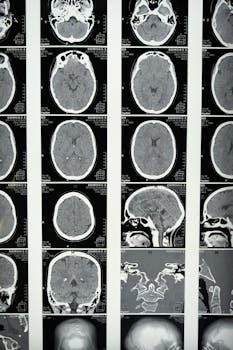
Have you ever bumped your head, felt a wave of dizziness, and worried about the impact? Our skulls, and specifically the cranial vault, play an essential role in safeguarding our brains from such daily knocks and jolts. The cranial vault serves as nature’s helmet, providing crucial protection to our most vital organ, the brain.
Understanding the Cranial Vault
The cranial vault, often simply called the skull, comprises a series of bones that encase the brain, offering protection from external forces. Beyond just acting as a hard shell, this bony structure is intricately designed to absorb shocks and prevent injury to the soft tissue of the brain within. Without it, even a minor fall or bump could lead to significant brain injuries.
This protective barrier has evolved to be incredibly robust while remaining light enough to rest comfortably on the neck and shoulders. The design also allows for blood vessels and nerves to pass through small openings, connecting the brain to the rest of the body. It’s a marvel of natural engineering.
The Role of the Cranial Vault in Everyday Life
The importance of the cranial vault can’t be overstated, especially in active or high-risk environments. Whether you’re cycling, playing sports, or simply moving around your home, your cranial vault is constantly at work. It does not merely shield your brain from physical injury; it also provides a stable platform for facial expressions and sensory functions such as sight and hearing.
For athletes and those engaged in physical labor, understanding the function of the cranial vault could be the difference between taking preventive safety measures and facing potential head injuries. Helmets and protective gear are designed to complement this natural armor, providing an extra layer of security.
When to Seek Care
It’s crucial to know when the protection provided by the cranial vault may not be enough. Seek medical attention if you experience severe head trauma, unconsciousness, frequent dizziness, excessive headaches, or any post-impact neurological symptoms. Neurologists and emergency medicine physicians are well-equipped to assess any damage and provide the necessary care. It’s always advisable to err on the side of caution and get evaluated if you suspect a significant head injury.
Maintaining Brain Health
While the cranial vault can protect against physical damage, maintaining brain health is another piece of the puzzle. Lifestyle choices, including diet and mental exercises, can significantly impact cognitive function. For more information on supplements that may support brain health and help with issues like memory fog, explore these insights on beneficial vitamins and supplements.
External Resources for Brain Protection
For further detailed information about head protection and care, visit this CDC resource, which provides guidelines on injury prevention and maintaining cognitive health throughout life.
- The cranial vault serves as a crucial protective structure for the brain.
- Comprised of multiple bones, it absorbs shocks and prevents injury.
- Be aware of symptoms that indicate a need for medical evaluation after head trauma.
- Helmets and safety gear can enhance the protection offered by the cranial vault.
- Lifestyle choices and vitamins may support brain health.
Common Questions
What should I do if I sustain a minor head injury?
Even with the cranial vault’s protection, it’s essential to monitor for symptoms like persistent headache, nausea, or changes in behavior or consciousness. Consult a healthcare professional if any concerning symptoms arise.
Which type of doctor specializes in head injuries?
Neurologists and primary care physicians commonly handle head injuries. In acute cases, emergency medicine doctors are trained to manage and assess the situation promptly.
Can lifestyle choices impact the effectiveness of the cranial vault?
While the structure itself won’t change, maintaining good overall bone health through nutrition and exercise can help preserve the integrity of the cranial vault over time.
Is it necessary to wear a helmet during everyday activities?
In high-risk activities like biking or skateboarding, helmets are advised to augment the cranial vault’s natural protection. For typical daily activities, it’s crucial to remain aware of your surroundings to prevent falls or accidental impacts.
How can I support my brain health beyond physical protection?
Engaging in mental exercises, maintaining a balanced diet, and considering supplements known to support cognitive function are practical steps. For further reading, here’s a helpful guide on vitamins that support brain health.
Other Articles You May Find of Interest...
- How to Read a Nerve Conduction Study Report
- Can a Tissue Paper Test Detect a CSF Leak?
- What Does Cerebrospinal Fluid Taste Like During a CSF Leak?
- Cervical Laminectomy: A Complete Guide to This Spinal Decompression Surgery
- Why Concussion Symptoms Can Look Different From Person to Person
- The Crushing Fatigue of ALS
- Complex Partial Seizures: Managing Focal Awareness Loss





