






More Neurology Articles
Exploring the Benefits of Ambulatory EEG for Accurate Diagnosis
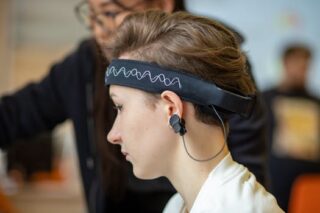
Imagine waking up feeling dizzy and disoriented, unable to recall your activities from the day before. Such episodes can be distressing and may prompt your doctor to suggest an ambulatory EEG test. Unlike traditional EEGs conducted in a clinical setting, this portable version allows you to go about your daily activities while being monitored over an extended period. This can provide your healthcare team with valuable insights into brain activity across various situations.
The Benefits of Ambulatory EEG
An ambulatory EEG offers several advantages when it comes to diagnosing neurological conditions. For instance, it can detect seizure activity, evaluate unexplained episodes of confusion or fainting, and assess sleep disorders like insomnia. Because the monitoring occurs in a natural environment, it often captures discrepancies missed in a lab setting.
When you’re engaged in your routine, from work to exercise, an ambulatory EEG can help identify triggers or patterns in your symptoms that limited-duration, in-hospital EEGs may not. This can lead to a more precise diagnosis and, consequently, more effective treatment plans tailored to your condition.
When to Seek Care
If you experience recurrent episodes of fainting, seizures, or memory loss, it’s crucial to consult a neurologist. Neurologists specialize in diagnosing and managing conditions of the brain and nervous system, and they may recommend an ambulatory EEG to better understand what’s happening during these episodes. If symptoms are severe, occur suddenly, or worsen, seek immediate evaluation at an urgent care or emergency room.
To learn more about how your daily habits can affect overall health, see this article about lifestyle choices and health. Changes in routines, diet, or stress levels may also be explored alongside neurological assessments to create a comprehensive picture.
What to Expect During the Test
Undergoing an ambulatory EEG is usually a straightforward process. Electrodes are affixed to your scalp, and you’ll be instructed to wear a small recording device, often carried in a pouch around your waist or placed in a pocket. This device records electrical activity in your brain, providing a continuous readout over multiple days.
While wearing the device, maintain a diary of your activities and symptoms. This record helps neurologists correlate physical symptoms with EEG findings. Showering or swimming will be restricted during the testing phase to prevent damage to the recording equipment.
Potential Side Effects and Precautions
Though ambulatory EEGs are generally safe, it’s essential to be aware of minor potential side effects. Some people report mild scalp irritation due to electrode placement. In most cases, it resolves quickly after the test.
Ensure the electrodes remain in place. Refrain from rigorous activities that could dislodge them, such as vigorous sports. Discuss any concerns or specific conditions with your doctor before the test to clarify dos and don’ts.
Insights into Everyday Impacts
An ambulatory EEG might influence your daily life less than you’d anticipate. While the initial attachment of electrodes can feel foreign, most individuals adapt quickly. The test’s primary benefit is capturing data during real-world scenarios, reflecting genuine triggers of neurologic symptoms, and offering more actionable insights.
A related topic is how the brain processes environmental stimuli and the role of everyday choices. For a deeper dive, read more about health and wellness and how it intertwines with neurological assessments.
Takeaways
- An ambulatory EEG allows continuous monitoring in a natural setting.
- It’s helpful for diagnosing seizures, fainting spells, and sleep disorders.
- Consult a neurologist if experiencing sudden or unexplained episodes.
- Expect the test to minimally impact daily activities, though swimming and certain exercises are discouraged.
- Mild discomfort from electrodes is possible but typically temporary.
Common Questions
When should I see a doctor for neurological symptoms?
If you experience unexplained seizures, fainting, or ongoing confusion, it’s important to see a neurologist. Don’t delay if symptoms intensify or interfere with everyday tasks.
What type of provider administers an ambulatory EEG?
Neurologists or specialized EEG technologists usually conduct these tests, often guided by a comprehensive consultation to determine personalized requirements.
Are there any activities I should avoid during the test?
Avoid swimming, excessive sweating, or other activities that could dislodge electrodes or compromise the recording device. Light exercises and routine tasks are usually fine.
How can lifestyle changes complement EEG results?
Positive lifestyle choices such as balanced nutrition, exercise, and stress management can influence brain health and enhance the understanding of EEG data. Consider exploring lifestyle impacts comprehensively.
Other Articles You May Find of Interest...
- How to Read a Nerve Conduction Study Report
- Can a Tissue Paper Test Detect a CSF Leak?
- What Does Cerebrospinal Fluid Taste Like During a CSF Leak?
- Cervical Laminectomy: A Complete Guide to This Spinal Decompression Surgery
- Why Concussion Symptoms Can Look Different From Person to Person
- The Crushing Fatigue of ALS
- Complex Partial Seizures: Managing Focal Awareness Loss





