






More Medication Articles
Is Valsartan 320 Mg Considered a High Dose for Hypertension Treatment?
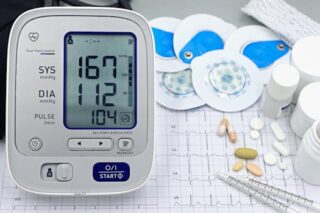
Understanding whether is valsartan 320 mg a high dose is crucial for those managing hypertension. Valsartan is a common medication prescribed to help control high blood pressure, and its dosage can vary based on individual needs. This article will explore what constitutes a high dose of valsartan, potential side effects, and considerations for patients who might be taking or are prescribed this medication.
Is Valsartan 320 Mg a High Dose?
The recommended dose range of valsartan for treating high blood pressure typically falls between 80 mg and 320 mg per day. So, is valsartan 320 mg a high dose? It is considered the maximum dose within standard treatment guidelines. Physicians often start patients on a lower dose and gradually increase the amount until optimal blood pressure control is achieved. The 320 mg dosage is utilized when lower doses have not provided the needed results or when a more aggressive treatment is warranted under medical supervision.
Understanding Valsartan and Hypertension
Valsartan belongs to a class of drugs called angiotensin II receptor blockers (ARBs), which help relax blood vessels by blocking the action of a substance in the body that causes blood vessels to tighten. This action allows for improved blood flow and helps lower blood pressure. For some individuals, controlling blood pressure might require higher doses, which is why valsartan 320 mg might be prescribed.
Individual treatment plans can vary widely. Factors such as age, overall health, and response to initial therapy play a role in determining the exact dosage needed. To learn more about how lifestyle choices impact health, read about lifestyle choices and health.
Side Effects and Considerations
As with any medication, valsartan can cause side effects. Potential effects can range from mild to severe and include dizziness, fatigue, or even kidney problems. It’s important for anyone taking valsartan, especially at higher doses like 320 mg, to be monitored by a healthcare provider. Regular check-ups can ensure that the medication is working as intended and not causing adverse effects.
Patients should also be aware of potential interactions with other medications, including over-the-counter drugs and supplements. Always discuss all medications being taken with a healthcare provider. Lifestyle factors, such as diet and exercise, can also influence how well valsartan manages hypertension. Resources such as the World Health Organization provide additional information on hypertension.
Managing Hypertension with Valsartan
Valsartan, particularly at higher doses, can be an effective part of a comprehensive treatment strategy for hypertension. It is most effective when used in combination with lifestyle modifications, such as a balanced diet, regular physical activity, and weight management. These approaches help improve overall cardiovascular health and the efficacy of the medication.
For more detailed advice and recommendations tailored to specific health conditions, consulting with a healthcare provider is essential. Remember that managing high blood pressure is a lifelong commitment, and taking an active role in health care can significantly impact outcomes.
Ultimately, is valsartan 320 mg a high dose is a question best discussed with a healthcare provider who can consider individual medical histories and needs.
- Valsartan 320 mg is the highest standard dose for hypertension treatment.
- Consult a healthcare provider for personalized advice on dosage.
- Side effects may occur, making medical supervision essential.
- Combine medication with lifestyle changes for best results.
- Understand potential interactions with other medications.
What is valsartan used for?
Valsartan is primarily used to treat high blood pressure and heart failure. It can also be prescribed to increase the chances of survival following a heart attack.
Can I adjust my valsartan dosage on my own?
No, you should never adjust your dosage without first consulting your healthcare provider. They can determine the appropriate dose based on your specific health needs.
Are there common side effects associated with valsartan?
Yes, some common side effects include dizziness, fatigue, and headaches. More serious side effects should be reported to a doctor immediately.
How does valsartan interact with other medications?
Valsartan can interact with other medications, including diuretics and certain calcium channel blockers. It’s crucial to provide your doctor with a list of all medications and supplements you are taking.
What should I do if I miss a dose of valsartan?
If you miss a dose of valsartan, take it as soon as you remember. If it’s near the time for your next dose, skip the missed dose and resume your regular schedule. Do not double the dose to catch up.
Other Articles You May Find of Interest...
- Is Valsartan 320 Mg Considered a High Dose for Hypertension Treatment?
- Is It Safe to Combine Sudafed and Tylenol for Your Health?
- Essential Medications to Avoid with G6PD Deficiency for Optimal Health
- What You Need to Know About the Warfarin Antidote
- Exploring the Benefits and Uses of Nifedipine Ointment for Health Care
- Effective Medications for Managing Vasovagal Syncope Symptoms
- Is 10 mg of Cyclobenzaprine an Effective Dose for Muscle Relaxation?




