More Medical Equipment Articles
What to Know Before Buying Essential Home Care Equipment
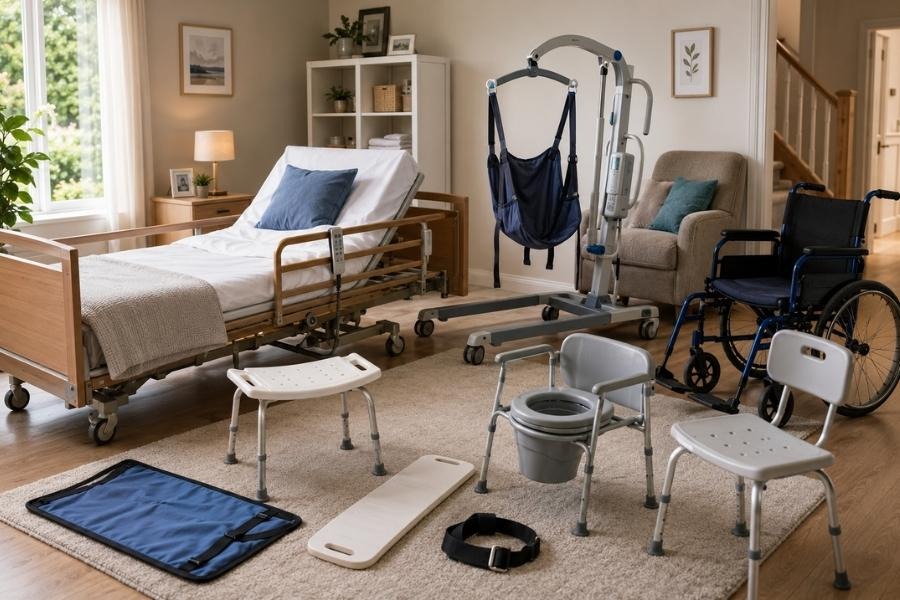
Setting up a home care environment for yourself or a loved one is a significant undertaking. The equipment you choose directly affects comfort, safety and the quality of care that can be delivered within the home on a daily basis.
The most commonly purchased items for home care setups. Hospital beds offer adjustability, safety features and comfort levels that standard domestic beds simply cannot match for someone with medical or mobility needs.
This guide covers the most important things to consider before spending money on any home care equipment so every item you buy genuinely serves the person who depends on it each and every day.
Assessing the Care Needs Before You Shop
The biggest mistake most people make when buying home care equipment is shopping before they have properly assessed the needs of the person being cared for. A clear needs assessment saves money, prevents waste and leads to far better outcomes overall.
Involve a Healthcare Professional Early
An occupational therapist or community nurse can assess the individual’s specific needs and recommend appropriate equipment. Their guidance prevents you from buying items that are unsuitable, unsafe, or simply unnecessary for the situation at hand.
Many people are unaware that these assessments are often available through local health services at no cost. Requesting one before purchasing anything is always worth doing and can open up access to funded equipment you may not have known existed.
Think About How Needs May Change Over Time
Care needs rarely stay the same for long. A condition that is manageable today may require greater support in six months. Buying equipment that offers some flexibility or upgradeability from the outset protects your investment as circumstances evolve.
Speak honestly with medical professionals about the likely progression of the condition involved. Understanding the road ahead helps you make smarter purchasing decisions and avoids the cost of replacing equipment too soon after buying it.
Understanding the Most Important Equipment Categories
Home care equipment covers a wide range of products designed to support different aspects of daily living. Knowing which categories are most relevant to your situation helps you focus your research and avoid being overwhelmed by the sheer volume of options available.
Sleeping and Resting Equipment
Quality sleep and rest are fundamental to recovery and ongoing health. Adjustable beds with profiling functions allow carers to reposition the user without disturbing them excessively, which reduces the risk of pressure sores developing over time.
Pressure relief mattresses are an important addition to any care bed setup. They distribute body weight more evenly and significantly reduce the risk of skin breakdown for individuals who spend extended periods lying down each day.
Bathing and Toileting Support
Bathroom safety is a serious concern in home care settings. Grab rails, shower chairs, bath boards and raised toilet seats are relatively inexpensive items that dramatically reduce the risk of falls and make personal care far safer for everyone involved.
Commode chairs offer a practical solution for individuals who struggle to reach the bathroom in time or who find the journey too exhausting. Choosing the right model depends on the level of mobility the person has and how much assistance they require from carers.
Handling and Transfer Equipment
Moving and handling are among the highest risk activities in home care. Without the right equipment, both the carer and the person being cared for are at real risk of injury. Investing in proper handling aids protects everyone involved in the care process.
Transfer Aids and Sliding Sheets
Sliding sheets and transfer boards allow carers to reposition or move a person with significantly less physical effort. They reduce friction during movement and make tasks like moving someone from a bed to a chair far safer and more comfortable for both parties.
Transfer belts give carers a secure and comfortable way to assist someone who can partially weigh a bear but needs support to stand or walk short distances safely. They are simple, affordable and genuinely reduce the strain on carers during daily routines.
Hoisting Equipment for Full Transfers
A patient lift is essential when caring for someone who cannot bear any weight or assist with their own transfers at all. These devices remove the physical burden from carers entirely and make full transfers safe, dignified and far less stressful for everyone present.
Always ensure carers receive proper training before using any hoisting equipment. Even well-designed products carry risk when used incorrectly. Training is usually available through the equipment supplier or local health authority and should never be skipped.
Conclusion
Buying home care equipment is not simply about ticking items off a list. Every product you choose affects the safety, comfort and dignity of the person receiving care. Approaching each purchase with care and proper information makes a genuine difference to the outcome.
Take time to seek professional advice, involve the person being cared for wherever possible and never rush decisions simply to get things in place quickly. The right equipment chosen thoughtfully will support better care for far longer than a hasty purchase ever could.
Other Articles You May Find of Interest...
- The Right Equipment Can Prevent Problems Before They Require More Care
- 6 Things Surgeons Must Consider When Choosing a Neurosurgical Drill
- How Refurbished Medical Equipment Can Help Healthcare Facilities Stretch Capital Budgets
- 5 Medical Suppliers in Edmonton and What They Offer
- Using an Acapella Device to Clear Your Lungs
- A Maintenance Checklist for Extending the Life of Your Stryker Stretcher
- How to Evaluate Fractional CO2 Laser Equipment Manufacturers in China