






More Medical Equipment Articles
The Essential Guide to Using a 1ml Syringe Safely and Effectively
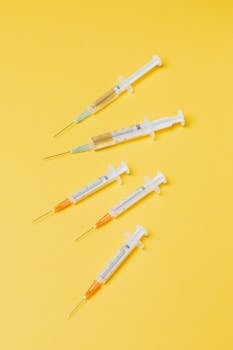
Many people might wonder about the practical uses and benefits of a 1ml syringe. These small, precise instruments are crucial for administering accurate doses of medication or conducting certain health-related tasks. Their versatility and precision make them invaluable in both medical and personal health settings. Understanding how to use a 1ml syringe safely and effectively can enhance the treatment process and ensure better health outcomes.
The Importance of a 1ml Syringe
The 1ml syringe is a vital tool in the medical field. Its small size allows for precise measurement of liquid, making it ideal for tasks requiring accuracy. Commonly used in hospitals and clinics, it helps in delivering precise doses of insulin or other critical medications. It is also commonly used in laboratories for measuring and mixing small quantities of substances. Those who need to manage medical conditions requiring self-injection, such as diabetes, find the 1ml syringe exceptionally helpful.
Understanding the Anatomy of a 1ml Syringe
To use a 1ml syringe effectively, it’s important to understand its basic components. A typical 1ml syringe comprises a barrel, plunger, and needle. The barrel holds the liquid, and its markings allow for precise measurement. The plunger is used to draw in and push out the liquid. The needle, often detachable, is critical for injecting the syringe’s contents into the body. Familiarity with these parts can enhance usage efficiency and safety.
Proper Techniques for Using a 1ml Syringe
Using a 1ml syringe involves several key steps. First, ensure that the syringe and the liquid to be used are sterile. Carefully read the medication’s dosage instructions. Pull back the plunger to the desired dose mark and insert the needle into the liquid. Push and pull the plunger to ensure the liquid is drawn into the barrel. Before injecting, remove air bubbles to ensure accurate dosing.
It’s crucial to maintain steady hands while administering an injection. Insert the needle at the appropriate angle, usually around 90 degrees for intramuscular injections and 45 degrees for subcutaneous injections. Depress the plunger slowly and steadily when injecting the medication to minimize discomfort and ensure proper delivery.
Safety Concerns and Best Practices
Safety is paramount when using a 1ml syringe. Ensure the area of injection is clean to prevent infections. Use a new, sterile syringe for each injection to avoid cross-contamination. Proper disposal is also important, with syringes needing to be disposed of in puncture-proof containers.
Understanding medication interactions is critical if multiple medications are administered. Always consult with a healthcare professional if unsure. Proper training and understanding of injection techniques can further reduce risks and improve outcomes.
Applications Beyond Medications
A 1ml syringe is not confined to medical settings. It is widely used in science labs, particularly in chemistry and biology experiments, due to its precision in measurement. Artists also use these syringes for detailed work, including ink or paint applications. Additionally, in cooking and baking, a 1ml syringe can be used to inject flavors into meats or other dishes.
For more insights into optimizing health practices, you might be interested in the importance of a high-protein diet for weight loss, which can work hand-in-hand with certain medications for holistic wellness.
Securing Credible Information
When researching information about using a 1ml syringe, it is important to use credible sources. Websites ending with .gov or .edu often provide reliable health information. For general knowledge, the Wikipedia Health page offers a comprehensive overview of various health topics, but it is always advised to cross-check facts with primary, authoritative sources.
Understanding and utilizing a 1ml syringe effectively can make a significant impact on maintaining good personal health and ensuring precise medical care. Whether used at home or in professional settings, these guidelines can help maximize safety and efficacy.
- 1ml syringes are essential tools for precise medication administration.
- Understanding syringe anatomy is key to proper usage.
- Follow best practices for injection to ensure safety.
- Consult healthcare professionals regarding medication interactions.
- Use credible sources for research and information.
What is a 1ml syringe typically used for?
A 1ml syringe is typically used for administering small and precise doses of medication, commonly in the treatment of diabetes, neonatal care, and certain laboratory settings.
How do I ensure the accuracy of the dose with a 1ml syringe?
To ensure accuracy, use the syringe’s measurement marks to draw the exact dose. Eliminate air bubbles by gently tapping the syringe and pressing the plunger slightly before administering.
Can I reuse a 1ml syringe?
No, syringes should not be reused. Using a fresh, sterile syringe for each injection prevents infections and cross-contamination.
What are the best practices for 1ml syringe disposal?
Syringes should be disposed of in a puncture-proof sharps container. Many communities offer disposal programs at pharmacies or health departments.
What should I do if I encounter difficulty using a syringe?
If you encounter difficulty, contact a healthcare professional or pharmacist for guidance on correct techniques and ensure you are following best practices for syringe use.
Other Articles You May Find of Interest...
- How to Choose the Right Oxygen Therapy Supplies for Home Use
- How to Choose the Right Mobility Scooter for Comfort and Stability
- Essential Guide to Using a 10 ml Syringe Effectively
- Health Monitoring Devices: Advancing Personal and Preventive Care
- Titanium Applications in Medicine: Redefining Strength and Durability of Medical Devices
- The Essential Guide to Using a 1ml Syringe Safely and Effectively
- Building a Strong Clinical Evidence Strategy for Medical Devices




