






More Medical Equipment Articles
Mastering the Use of a 1 ml Syringe for Accurate Dosing
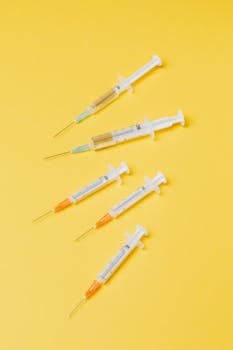
Using a 1 ml syringe can be a critical skill for those requiring precise measurement of liquid medications, vitamins, or supplements. Whether you’re a healthcare professional or a patient managing your own medication, understanding how to accurately measure and administer drugs is essential. In this article, we’ll explore everything you need to know about the proper use of a 1 ml syringe, the importance of accuracy in dosing, and practical tips to ensure safe and effective use.
Understanding the 1 ml Syringe
The 1 ml syringe is designed for accuracy and is often used in medical environments where precise dosages are required. This type of syringe can deliver liquids in small, measured amounts, making it ideal for administering medications such as insulin or other critical drugs. Its fine gradations enable users to measure and deliver the exact dosage needed without over- or under-dosing.
Parts of a 1 ml Syringe
It’s crucial to understand the components of a 1 ml syringe to use it effectively:
- Barrel: The tube where the liquid is held, marked with lines to indicate measurements.
- Plunger: A movable part inside the barrel that pushes the liquid out through the needle.
- Needle: Attaches to the end of the syringe, used to penetrate skin or a bottle stopper.
Each part plays a vital role in ensuring precise dosing when using a 1 ml syringe.
Step-by-Step Guide for Accurate Dosing
Follow these steps to ensure accuracy when using a 1 ml syringe:
- Preparation: Wash your hands thoroughly before handling the syringe.
- Reading the Dose: Locate the correct measurement on the barrel, using the printed markings as a guide.
- Drawing the Liquid: Insert the needle into the medicine vial, pull the plunger back slowly until the liquid reaches the desired mark on the barrel.
- Removing Air Bubbles: Tap the syringe lightly to move air bubbles to the top, then push the plunger gently to expel them.
- Administration: Once the correct dose is measured, use the syringe to administer the medication according to your healthcare provider’s instructions.
Proper technique ensures the medication’s efficacy and safety.
Why Accuracy Matters
The 1 ml syringe’s precision is essential, especially when dealing with potent medications where even a slight deviation can lead to adverse effects. Accurate dosing prevents complications and ensures the medication works as intended. For chronic conditions, such as diabetes, reliability in dosing is crucial for managing the disease and preventing complications.
Common Uses for the 1 ml Syringe
1 ml syringes are often used in the following contexts:
- Diabetes Care: For insulin administration in type 1 and type 2 diabetes patients.
- Pediatrics: Accurate dosing for infants and children who require medications in small volumes.
- Veterinary Medicine: Used for small animals or precise treatments.
These scenarios emphasize the need for precision and care in handling small dosages.
Ensuring Safety When Using a 1 ml Syringe
Safety tips include:
- Always use a new, sterile syringe for each injection to prevent contamination or infection.
- Keep syringes out of reach of children and dispose of them properly to maintain safety and hygiene.
- Consult a healthcare professional if you’re uncertain about the dosage or administration method.
These steps help maintain safety and the effectiveness of medication administration.
Resources and Further Reading
For more detailed information on the safe use and management of medications, consider reviewing the following external resource: Wikipedia – Health. Additionally, explore our article on safe and effective weight loss approaches for more health information.
By understanding how to use a 1 ml syringe and following these guidelines, you can ensure accurate dosing that supports your health care goals and needs.
- The 1 ml syringe is ideal for precise dosing in various medical contexts.
- Understanding the parts and usage of the syringe is crucial for accuracy.
- Accurate dosing prevents complications and enhances treatment efficacy.
- Safety protocols in syringe handling safeguard against infection.
- Consult healthcare professionals with any uncertainties about medication administration.
When using a 1 ml syringe, remember that accuracy and safety are your top priorities.
What is a 1 ml syringe used for?
A 1 ml syringe is used to deliver precise doses of liquid medications, such as insulin or vaccinations, and is critical in contexts where accuracy is key, such as pediatrics or chronic illness management.
How can I ensure I am using the 1 ml syringe correctly?
Follow the steps for proper technique: measure accurately using the syringe’s markings, remove any air bubbles, and adhere to the dosage prescribed by your healthcare provider.
Can I reuse a 1 ml syringe?
No, syringes should not be reused as this can lead to infections and contamination. Always use a new, sterile syringe for each injection.
What should I do if I accidentally administer the wrong dose?
If you administer an incorrect dose, seek immediate medical advice from a healthcare professional to manage any potential risks or complications.
Are there alternatives to using a 1 ml syringe?
Alternatives may include pre-filled syringes or dosing devices specific to certain medications. Consult with a healthcare provider to determine the best option for your needs.
Other Articles You May Find of Interest...
- How to Choose the Right Mobility Scooter for Comfort and Stability
- Essential Guide to Using a 10 ml Syringe Effectively
- Health Monitoring Devices: Advancing Personal and Preventive Care
- Titanium Applications in Medicine: Redefining Strength and Durability of Medical Devices
- The Essential Guide to Using a 1ml Syringe Safely and Effectively
- Building a Strong Clinical Evidence Strategy for Medical Devices
- Mastering Surgical Precision with Debakey Forceps for Optimal Patient Care



