






More Medical Equipment Articles
Innovative Solutions for Managing Carpal Tunnel Syndrome with Medical Devices
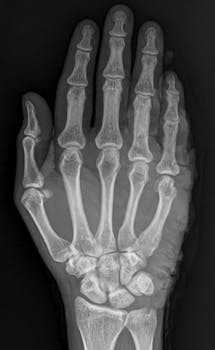
For individuals suffering from carpal tunnel syndrome, new advancements in medical devices offer promising solutions. Carpal tunnel syndrome medical devices are designed to alleviate symptoms such as tingling, numbness, and pain in the hand and wrist. By understanding these devices and how they can help, sufferers of this common condition can explore new ways to manage their symptoms and improve their quality of life.
Understanding Carpal Tunnel Syndrome Medical Devices
Carpal tunnel syndrome is a condition that affects the hand and wrist due to pressure on the median nerve. This pressure can result from repetitive hand movements, wrist position, or various health conditions. Medical devices play a critical role in providing relief by maintaining proper wrist alignment, reducing inflammation, and improving nerve function.
Types of Medical Devices for Carpal Tunnel Syndrome
There are several types of devices available to manage the symptoms of carpal tunnel syndrome. These include wrist splints, compression gloves, and ergonomic keyboards. Each device serves a specific purpose, from nighttime support to aiding daily computer use. Understanding their functions can help individuals choose the right device for their needs.
- Wrist Splints: These help maintain the wrist in a neutral position, reducing pressure on the median nerve. They are often recommended for nighttime use.
- Compression Gloves: These gloves provide gentle compression and warmth, which may help reduce pain and swelling.
- Ergonomic Keyboards and Mice: Designed to keep the wrist in a natural position, these tools can prevent strain during computer use.
Innovative Wearable Technology
Recent technological advancements have led to the development of wearable devices specifically targeting carpal tunnel syndrome. Wearables like smart wristbands can track wrist movements and provide data to help manage the condition. Some devices even offer biofeedback or electrical stimulation to promote nerve health.
Another exciting innovation is the use of apps connected to wearable devices. These apps can monitor symptoms and suggest exercises or treatments tailored to the individual’s condition. This personalization can be key in effectively managing the symptoms of carpal tunnel syndrome.
Therapeutic Ultrasound Devices
Therapeutic ultrasound devices are another emerging solution for carpal tunnel syndrome. These devices use sound waves to promote circulation and reduce inflammation in the wrist area. While research on their effectiveness continues, initial findings are promising for those seeking non-invasive treatment options.
Benefits and Challenges of Using Medical Devices
Using carpal tunnel syndrome medical devices offers several benefits, such as pain relief, reduced inflammation, and improved function. However, not all devices work for everyone, and some individuals may need to try different options before finding one that best suits their needs.
Challenges include ensuring proper usage and fit of the devices. It’s important for individuals to consult healthcare professionals to ensure they are using the devices correctly to achieve the best results. Additionally, some devices may require regular monitoring and adjustments to remain effective over time.
Consultation with Healthcare Professionals
Before starting any treatment regimen with carpal tunnel syndrome medical devices, it’s advisable to consult with a healthcare provider. They can provide guidance on the most appropriate devices based on the severity of the condition, lifestyle, and individual preferences. A professional assessment can also help identify any underlying conditions that might be contributing to the symptoms.
For further information on health conditions and treatments, you can read about other impacting factors in our article on commonly abused substances.
Future Directions in Medical Device Development
The field of carpal tunnel syndrome treatment continues to evolve with ongoing research and innovation. Scientists and engineers are exploring new materials, such as lighter, more breathable fabrics, and integrating technology for even more personalized solutions. These developments aim to improve comfort, usability, and effectiveness for users.
Future devices may incorporate AI-driven technology to provide real-time feedback and adjustments for optimal symptom management. As the understanding of carpal tunnel syndrome deepens, the devices designed to treat it are likely to become even more effective.
For more detailed information on healthcare topics, please visit this resource.
In conclusion, the advancements in carpal tunnel syndrome medical devices offer hope and relief for many who suffer from this condition. By staying informed about these innovative solutions and consulting with healthcare providers, individuals can better manage their symptoms and enhance their daily living.
- Carpal tunnel syndrome is caused by pressure on the median nerve in the wrist.
- Wrist splints, compression gloves, and ergonomic tools are common devices used.
- Wearable technology and apps offer new personalization benefits.
- Consult healthcare professionals for personalized device recommendations.
- Research and innovation continue to improve carpal tunnel syndrome treatments.
What causes carpal tunnel syndrome?
Carpal tunnel syndrome is primarily caused by pressure on the median nerve, which can result from repetitive hand movements, wrist position, or health conditions like diabetes or arthritis.
How can wrist splints help with carpal tunnel syndrome?
Wrist splints help by keeping the wrist in a neutral position, reducing pressure on the median nerve, especially during sleep, when symptoms can worsen without immobilization.
Are there natural remedies to support carpal tunnel syndrome treatment?
Alongside medical devices, some natural therapies may support the management of carpal tunnel syndrome. These include hand exercises, icing, and anti-inflammatory diets, but it’s essential to consult with a healthcare provider before starting any new regimen.
What role do ergonomic keyboards play in managing carpal tunnel syndrome?
Ergonomic keyboards reduce strain on the wrists and hands by promoting a more natural hand position during typing, which can help alleviate pressure on the median nerve.
How often should I use my carpal tunnel medical device?
The frequency of use depends on the device and individual needs. It’s important to follow the recommendations of a healthcare professional to ensure the device is used effectively and safely.
Other Articles You May Find of Interest...
- How to Choose the Right Mobility Scooter for Comfort and Stability
- Essential Guide to Using a 10 ml Syringe Effectively
- Health Monitoring Devices: Advancing Personal and Preventive Care
- Titanium Applications in Medicine: Redefining Strength and Durability of Medical Devices
- The Essential Guide to Using a 1ml Syringe Safely and Effectively
- Building a Strong Clinical Evidence Strategy for Medical Devices
- Mastering Surgical Precision with Debakey Forceps for Optimal Patient Care




