






Your Health Magazine Contributor
4201 Northview Drive
Suite 102
Bowie, MD 20716
More Legal and Health Articles
7 Steps to Protect Important Evidence After an Injury in Santa Monica
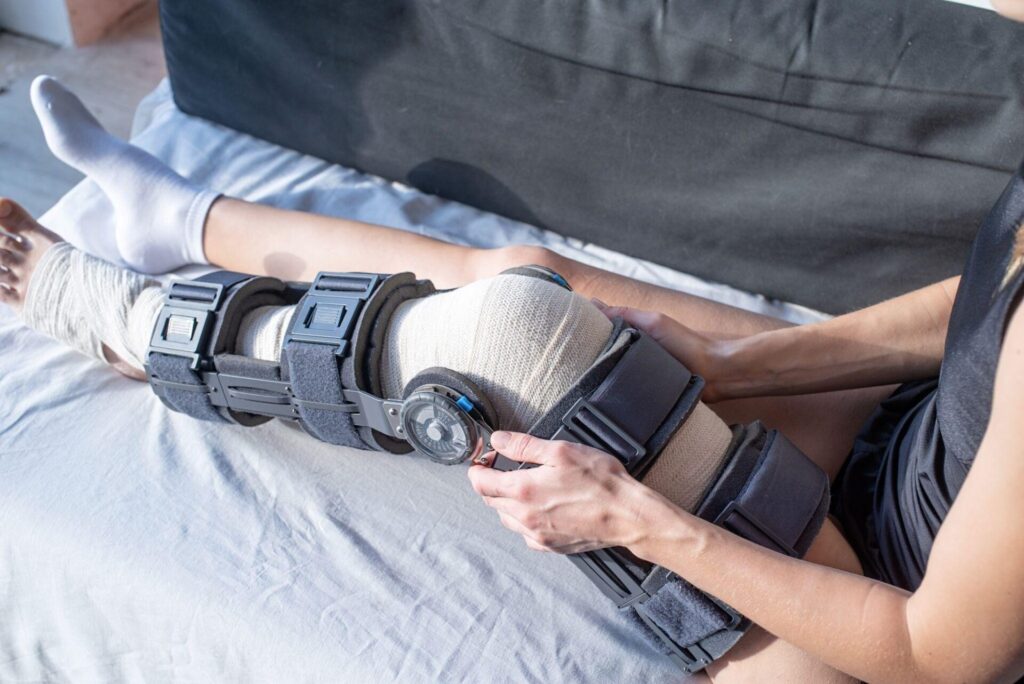
Proof of the accident can fade just as fast. Strong evidence often decides whether an insurance company takes your claim seriously. Injured victims who consult with an experienced Santa Monica personal injury lawyer discover that the first few days shape what proof survives.
1. Get Medical Care and Keep Every Record
See a doctor as soon as you can, even if you feel fine. Some injuries, like concussions and neck strains, may not show clear signs for hours or days. A prompt visit creates a dated record that links your injuries to the incident.
Save every bill, test result, and discharge paper. Under Health and Safety Code § 123110, your health care provider must send copies of your records within 15 days after receiving your request.
2. Report the Incident and Get the Official Report
An official report captures the basic facts while they are still fresh. If a vehicle was involved and someone was hurt, Vehicle Code § 20008 requires the driver to file a written report with police or the CHP within 24 hours. You can ask for a copy through the Santa Monica Police Department’s Records Unit.
Drivers also owe a separate report to the DMV. Vehicle Code § 16000 requires an SR-1 form within 10 days when a crash causes any injury or more than $1,000 in property damage. For a fall at a store or hotel, ask the manager to write an incident report and request a copy.
3. Take Photos and Video Before the Scene Changes
Your phone may be the most useful tool you carry. Take wide shots of the whole area first, then move in close on the details. Pictures taken right away show conditions that may be gone by the next morning.
- The hazard – the wet floor, broken step, pothole, or damaged car
- Your injuries – cuts, bruises, and swelling, with new photos every few days
- Nearby cameras – security cameras on buildings, poles, and doorbells
- Scene conditions – dim lights, missing warning signs, or skid marks
4. Collect Witness Names and Contact Details
People who saw what happened can back up your side of the story. Witnesses on a busy Santa Monica sidewalk or beach path often leave within minutes, and some are visitors heading home. Ask each person for a name, phone number, and email before they walk away.
If a witness agrees, record a short video of them describing what they saw. Also note the names of workers, officers, or paramedics who helped.
5. Ask Businesses to Save Security Footage Fast
Many stores, hotels, and parking garages record over their security video on a set schedule, sometimes within days. Ask the business right away to save footage from the time of your injury. Follow up in writing and keep a copy.
Different rules apply when a city bus, sidewalk, or other public property played a role. The Big Blue Bus is a City of Santa Monica department, and Government Code § 911.2 gives you six months to present a written injury claim to a public agency.
6. Keep Damaged Property Just as It Is
Items damaged in the incident can show how much force was involved or what went wrong. Store torn clothing, broken glasses, or a cracked helmet in a bag somewhere safe. Don’t wash, fix, or toss them until your claim ends.
Your car may hold proof too, since many vehicles have an event data recorder that tracks speed and braking. Under Vehicle Code § 9951, others generally cannot download that data without the owner’s consent or a court order. If the other side destroys evidence on purpose, CACI No. 204, which rests on Evidence Code § 413, lets a jury decide that the missing proof would have hurt them.
7. Keep a Written Record of What Happened
Write down your account within a day or two, while details are fresh. Keep adding to your notes as the weeks pass. Hold off on posting about the injury online, since insurers often check social media for photos they can use against you.
- Time and place – the date, hour, and exact spot where you got hurt
- Words spoken – any apology or excuse from the other party
- Daily struggles – tasks you can no longer do without pain or help
- Missed work – days off and lost shifts, with pay stubs to prove them
Your Proof Keeps the Story in Your Own Words
Insurance adjusters decide personal injury claims based on what you can prove, and memory alone rarely carries enough weight. The other side’s insurer often starts collecting its own facts within days of an incident. Any gap in your proof tends to get filled with their version of events. Small, steady actions in the first week help keep the story in your own words, long after the scene itself has changed.
Other Articles You May Find of Interest...
- How a Tucson Medical Malpractice Lawyer Reviews a Potential Claim
- 7 Steps to Protect Important Evidence After an Injury in Santa Monica
- How Are Future Medical Expenses Estimated in a Stockbridge Injury Settlement?
- What to Expect When Negotiating a Personal Injury Settlement in Norwalk
- How to Recognize Signs of Neglect That May Affect an Elderly Person’s Health
- What Consistutes a Birth Injury Case?
- The Most Common Car Accident Injuries in Houston and What to Watch For





