






More Infertility Articles
Molar Pregnancy: Insights from Ultrasound Imaging
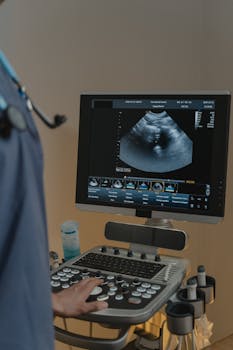
Understanding molar pregnancy usg (ultrasound) is crucial for expectant mothers and healthcare providers. A molar pregnancy is a rare complication that occurs when the placenta develops into an abnormal mass of cysts rather than forming into a viable pregnancy. Ultrasound imaging plays a vital role in the diagnosis of this condition, allowing healthcare professionals to identify it early and determine the appropriate course of treatment.
What is Molar Pregnancy USG?
Molar pregnancy usg involves using ultrasound technology to diagnose and differentiate between complete and partial molar pregnancies. A complete molar pregnancy consists of an abnormal placenta without a fetus, while a partial molar pregnancy involves both abnormal tissue and some fetal development. Ultrasound is a non-invasive procedure that helps visualize the structure of the placental mass, aiding in the identification and management of molar pregnancies.
The Role of Ultrasound in Diagnosing Molar Pregnancy
During a molar pregnancy, an ultrasound can reveal the characteristic “snowstorm” pattern associated with this condition. This pattern appears due to the presence of numerous tiny cysts on the placenta. Early detection via ultrasound can help prevent complications and manage symptoms efficiently.
When a patient presents with symptoms such as abnormal vaginal bleeding, severe morning sickness, or a uterus that is larger than expected for gestational age, a healthcare provider may order an ultrasound to evaluate the possibility of a molar pregnancy.
Understanding the Symptoms and Risks
While ultrasound is a key diagnostic tool, understanding the symptoms of molar pregnancy can prompt timely medical consultation. Common symptoms include high blood pressure, hyperthyroidism, and increased levels of the pregnancy hormone hCG, which may lead to persistent nausea and vomiting.
Risks associated with molar pregnancies include the potential for developing a rare form of cancer known as gestational trophoblastic neoplasia. Regular monitoring and follow-up care are crucial to managing these risks effectively.
Treatment Options Following a Molar Pregnancy Diagnosis
Upon diagnosis, treatment for a molar pregnancy typically involves the removal of the abnormal tissue through a procedure called dilation and curettage (D&C). In some cases, additional treatments such as medication or chemotherapy may be necessary to prevent complications or treat persistent lesions.
After treatment, regular follow-up care, including hCG hormone level monitoring, is essential to ensure that all molar tissue has been successfully removed and that no further treatment is required.
It’s important to address the emotional impact of a molar pregnancy as well. Support groups and counseling services can provide necessary help to those dealing with the aftermath of this diagnosis.
Importance of Follow-Up Care
Follow-up care is crucial for patients who have experienced a molar pregnancy. Regular hCG monitoring helps ensure no molar tissue remains. This monitoring usually continues for six to twelve months, as there is a risk of recurrence.
Women are generally advised to avoid becoming pregnant during this follow-up period to ensure that hCG levels have returned to normal and to prevent complications from another pregnancy.
Read more about factors affecting fertility.
Coping with the Emotional Aspects of Molar Pregnancy
Coping with a molar pregnancy can be challenging, both physically and emotionally. The loss of a pregnancy can bring about feelings of grief and confusion, and it’s important to seek support from healthcare professionals, family, and support groups.
Engaging with others who have had similar experiences can provide comfort and insight. Mental health professionals can also offer strategies to cope with anxiety, depression, or other emotional responses.
For more detailed information, consider checking resources such as this comprehensive health overview.
Final Thoughts on Molar Pregnancy USG
The role of molar pregnancy usg in diagnosing and managing this condition cannot be overstated. Early detection through ultrasound not only facilitates prompt treatment but also helps in managing any associated complications. Regular follow-up care ensures that patients can safely monitor their recovery and plan future pregnancies.
- Molar pregnancy is diagnosed via ultrasound imaging.
- The condition involves abnormal placental development.
- Symptoms include high hCG levels, nausea, and abnormal bleeding.
- Treatment typically involves a D&C procedure.
- Follow-up care is crucial to prevent complications.
FAQ
What is a molar pregnancy?
A molar pregnancy is a rare abnormality of the placenta characterized by an abnormal mass instead of a typical pregnancy.
How is a molar pregnancy diagnosed?
Diagnosis is typically done through ultrasound imaging, which reveals a characteristic “snowstorm” appearance without a viable fetus.
What are the symptoms of a molar pregnancy?
Symptoms can include abnormal vaginal bleeding, high hCG levels, excessive nausea, and a larger than expected uterus for gestational age.
How is a molar pregnancy treated?
Treatment generally involves the surgical removal of the abnormal tissue through a procedure called dilation and curettage (D&C).
Can a woman have a normal pregnancy after a molar pregnancy?
Yes, most women can have normal pregnancies after a molar pregnancy, but it is recommended to avoid pregnancy during the follow-up period to ensure complete recovery.
Other Articles You May Find of Interest...
- Molar Pregnancy: Insights from Ultrasound Imaging
- What Does Fetal Tachycardia Mean for Your Pregnancy?
- Why Is My Period Late Despite a Negative Pregnancy Test?
- Exploring Chromopertubation: A Key Procedure in Fertility Evaluation
- When Can You Take a Pregnancy Test After Ovulation?
- Exploring the Role of Placental Lakes in Maternal and Fetal Health
- Unlocking the Secrets of LMP Meaning in Health Education




