






Your Health Magazine
4201 Northview Drive
Suite #102
Bowie, MD 20716
301-805-6805
More Imaging Articles
What Conditions Might Not Show Up on an MRI
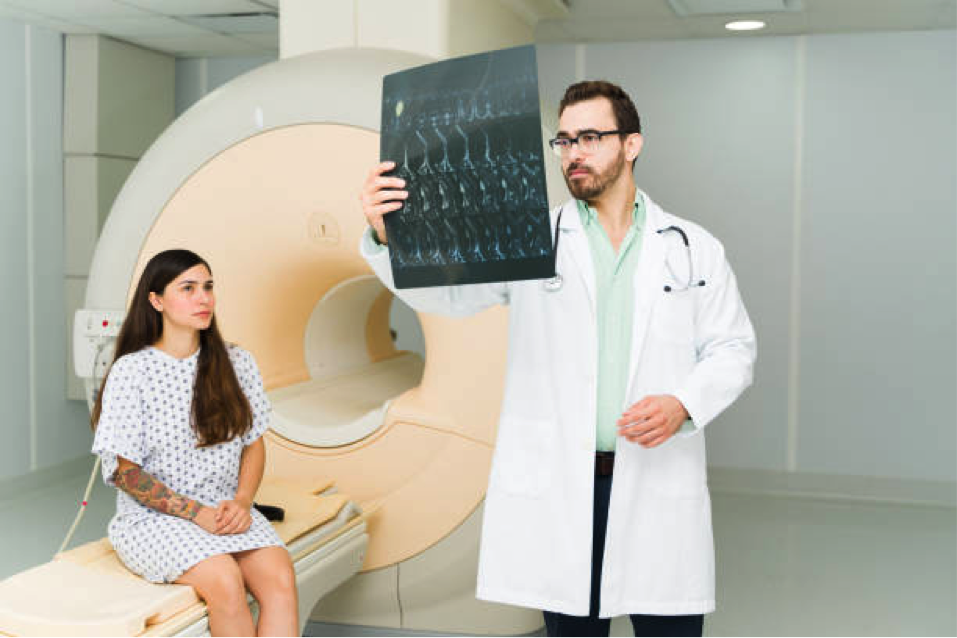
An MRI is one of the most advanced imaging tools in medicine, but it does not catch everything. Many people walk away with a “normal” MRI result while still experiencing real, debilitating pain. Understanding what an MRI can miss helps you take the right next steps toward a proper diagnosis.
Why MRIs Don’t Always Tell the Full Story
MRI scans are excellent at capturing soft tissue damage, tumors, and structural abnormalities. However, they are not designed to detect every type of injury or medical condition. Factors like inflammation levels, nerve sensitivity, and the timing of the scan can all affect what shows up. If you are dealing with ongoing pain, it is important to keep a detailed track of your symptoms so you can give your doctor a clear picture of what you are experiencing.
Conditions an MRI May Miss
Soft Tissue and Nerve-Related Conditions
Fibromyalgia is one of the most common conditions that does not appear on an MRI. It causes widespread muscle pain and fatigue, but there are no visible structural changes in the body. Diagnosis relies almost entirely on patient-reported symptoms and clinical evaluation.
Complex Regional Pain Syndrome (CRPS) is another condition where MRI results are often normal. It causes extreme, burning pain, usually after an injury, but the nervous system changes responsible for the pain are not visible on standard imaging.
Peripheral neuropathy, or nerve damage in the hands and feet, frequently goes undetected by MRI. Nerve conduction studies are typically needed to confirm this type of damage.
Musculoskeletal Conditions
Early-stage stress fractures may not appear on an MRI, especially in the first few days after the injury. A bone scan or CT scan may be needed for a more accurate result.
Cartilage damage can be subtle. Minor tears or wear in joint cartilage, especially in the knee or hip, may not be visible unless a high-resolution MRI with contrast is used.
Ligament sprains that are partial or early-stage can also be missed. A ligament may be injured and painful but still appear intact on imaging.
Neurological and Brain-Related Conditions
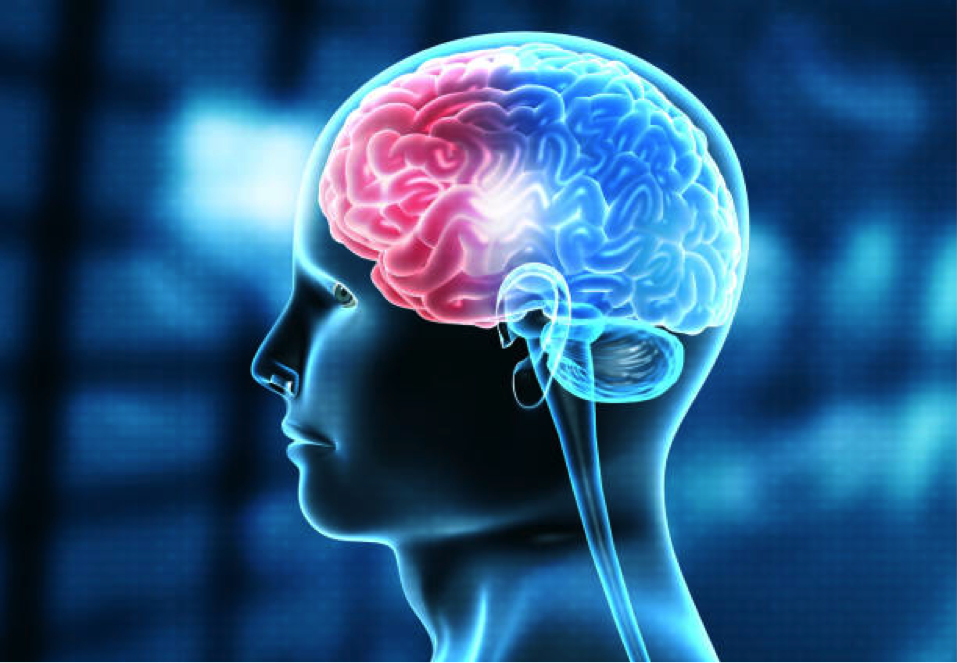
Concussions rarely show up on a standard MRI. The brain may look completely normal despite significant functional impairment. Specialized imaging tools like functional MRI (fMRI) or diffusion tensor imaging (DTI) may be needed.
Multiple Sclerosis (MS) in its very early stages can be hard to detect. Lesions may be too small or located in areas the MRI scan did not capture clearly. Repeat imaging over time is often required for a diagnosis.
Seizure disorders such as certain types of epilepsy may not produce any visible abnormalities on a standard MRI. As noted by the CDC, epilepsy affects nearly 3.4 million people in the U.S., and diagnosis often requires an EEG alongside imaging.
Mental Health and Functional Disorders
Conditions like somatic symptom disorder or functional neurological disorder involve real physical symptoms with no detectable structural cause. These are not imagined — they reflect how the brain processes signals, and they require specialized care.
Steps to Take If Your MRI Came Back Normal
- Document your symptoms daily, including pain level, location, and triggers.
- Request additional testing such as nerve conduction studies, CT scans, or blood work.
- Seek a second opinion from a specialist such as a neurologist or rheumatologist.
- Ask your doctor about functional or pain-specific disorders that MRI cannot diagnose.
- Contact a legal or medical professional if your pain is linked to an accident or injury.
Key Takeaways
- An MRI does not detect all medical conditions, even serious ones.
- Fibromyalgia, CRPS, and peripheral neuropathy rarely show up on MRI scans.
- Early stress fractures and partial ligament tears may be missed by standard imaging.
- Concussions and early-stage MS often require additional or specialized imaging tools.
- Seizure disorders are best diagnosed with EEG testing, not MRI alone.
- Tracking your symptoms in detail is essential when MRI results are inconclusive.
- Always ask about alternative diagnostic tests if your pain persists after a normal MRI result.
Other Articles You May Find of Interest...
- MRI vs X-Ray: Which Imaging Technique is Right for You?
- Biparietal Diameter Explained: Understanding Its Importance in Prenatal Care
- What Your Hip X-Ray Reveals About Your Joint Health
- Exploring the Benefits of CT Abdomen and Pelvis With Contrast for Accurate Diagnosis
- Navigating the Insights of MRI for Pituitary Health
- Navigating the Implications of Birads 3 for Your Breast Health
- What Does Hyperechoic Mean and How Does It Impact Your Health?



