






More Imaging Articles
Unlocking the Benefits of MRI in Advanced Healthcare
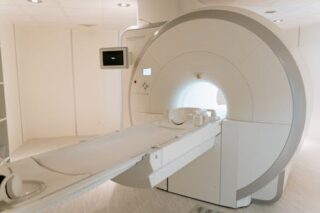
In recent years, Magnetic Resonance Imaging (MRI) has become an invaluable tool in advanced healthcare, significantly enhancing diagnostic capabilities. The MRI IAC, an essential component of the imaging process, plays a critical role by refining the images to facilitate accurate diagnosis and treatment plans. By understanding how MRI IAC works, healthcare professionals can provide better patient care, making it a staple in modern medicine.
The Role of MRI IAC in Imaging
MRI IAC, or Internal Auditory Canal MRI, is specifically designed to examine the structures within the ear, including the auditory nerves and related systems. This imaging modality helps in identifying abnormalities that may cause hearing loss, vertigo, or other auditory conditions. Thanks to its ability to provide detailed images without radiation exposure, MRI IAC is a preferred choice for many physicians.
Applications of MRI IAC in Healthcare
Healthcare professionals utilize MRI IAC for diagnosing conditions such as acoustic neuromas, vestibular disorders, and inner ear infections. Its precision allows for early detection, which is crucial for effective treatment and management.
Moreover, MRI IAC is instrumental in post-operative evaluations, ensuring that surgical interventions have been successful and monitoring any complications that may arise. This application underscores the importance of MRI IAC in both diagnosing and managing ear-related health issues.
Advantages of Using MRI IAC
The benefits of using MRI IAC in healthcare settings are numerous. Firstly, it offers exceptional image clarity, enabling accurate assessment of delicate structures within the ear. Secondly, MRI IAC is non-invasive and does not expose patients to radiation, making it safe for repeated use, which is vital for chronic conditions or ongoing monitoring.
Additionally, its ability to differentiate between soft tissues aids in pinpointing specific areas of concern, contributing to more precise diagnoses and tailored treatment plans. For healthcare providers, the combination of safety and efficacy makes MRI IAC an indispensable tool in patient care.
Integrating MRI IAC with Other Diagnostic Tools
While MRI IAC provides detailed imaging, combining it with other diagnostic tools can enhance the overall assessment. Techniques such as CT scans and audiograms can complement MRI findings, providing a comprehensive understanding of a patient’s condition.
For instance, a holistic health approach may involve using MRI IAC alongside other tests to determine the impact of lifestyle factors on ear health. This integration fosters a multidisciplinary approach, vital in addressing complex health issues effectively.
MRI IAC in Research and Development
Research into MRI IAC continues to evolve, with ongoing studies exploring its potential in new areas of medicine. As technology advances, MRI IAC may offer even more precise imaging, enabling earlier detection of diseases and facilitating improved treatment outcomes.
Investing in research to refine MRI IAC technology underscores its significant contribution to healthcare. By maintaining a focus on innovation, the medical community ensures that MRI IAC remains at the forefront of diagnostic imaging.
Challenges and Considerations in MRI IAC
Despite its benefits, MRI IAC is not without challenges. Technical complexities, high equipment costs, and the need for skilled technicians can pose obstacles for some healthcare facilities. Moreover, issues such as patient claustrophobia can affect the imaging process.
Addressing these challenges involves training programs, infrastructure investment, and patient education. By overcoming these hurdles, healthcare facilities can fully integrate MRI IAC into their diagnostic and treatment protocols.
Conclusion: The Future of MRI IAC in Healthcare
As we look to the future, MRI IAC remains an essential element in the continual progression of medical diagnostics. Its role in early detection and precise diagnosis cannot be overstated, making it an indispensable resource in healthcare delivery. Continued technological advancements promise to further augment its capabilities, ensuring that MRI IAC continues to offer profound benefits to both patients and healthcare professionals.
By understanding and utilizing MRI IAC, the medical community is better equipped to tackle complex health issues, emphasizing the importance of this tool in modern medicine. As MRI IAC technology continues to advance, its applications are set to expand, providing even greater insight into various health conditions.
- MRI IAC offers detailed imaging of the ear and auditory system.
- It is vital for diagnosing conditions like acoustic neuromas and inner ear infections.
- MRI IAC is non-invasive and safe for repeated use.
- Combining MRI IAC with other diagnostic tools can enhance patient assessments.
- Ongoing research is expanding the potential applications of MRI IAC.
What is MRI IAC used for?
MRI IAC is used to examine the internal auditory canal and related structures, aiding in the diagnosis of hearing and balance disorders.
Is MRI IAC safe?
Yes, MRI IAC is a safe, non-invasive procedure that does not use radiation, making it ideal for repeated evaluations.
How does MRI IAC compare to other imaging methods?
Unlike CT scans, MRI IAC provides superior soft tissue contrast without ionizing radiation, making it preferable for detailed ear examinations.
Can MRI IAC detect tumors in the ear?
Yes, MRI IAC is highly effective at detecting tumors such as acoustic neuromas, providing crucial information for diagnosis and treatment planning.
Where can I learn more about health and MRI?
For more information on MRI and healthcare, consider visiting reputable sources. Here’s a useful link to start: Health on Wikipedia.
Other Articles You May Find of Interest...
- What Does Hyperechoic Mean and How Does It Impact Your Health?
- Biliary Ductal Dilatation Explained: Causes, Symptoms, and What It Could Mean
- What Is an Air Bronchogram? Understanding This Important Lung Imaging Sign
- Unlocking the Benefits of MRI in Advanced Healthcare
- Is an MRI Lumbar Spine Without Contrast Right for You?
- Exploring the Insights of a Normal Shoulder X-Ray
- Is the Lexiscan Stress Test Right for You in Assessing Heart Health?



