






More Imaging Articles
MRI vs CT Scan for Brain Imaging: Which is the Better Choice?
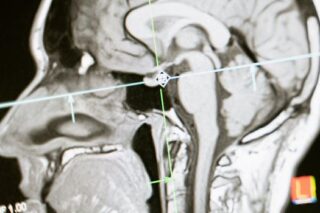
When it comes to diagnosing and evaluating brain conditions, medical professionals often face the question: which is better mri or ct scan for brain? Both imaging techniques provide valuable insights, yet they differ in certain aspects that might make one preferable over the other in specific situations. Understanding the key differences and uses of MRI (Magnetic Resonance Imaging) and CT (Computed Tomography) scans can help patients make informed decisions alongside their healthcare providers.
Which is Better: MRI or CT Scan for Brain Imaging?
To determine whether an MRI or CT scan is the better choice for brain imaging, it is important to consider what each scan offers. MRI is known for its detailed images and ability to differentiate between various soft tissues. It uses magnetic fields and radio waves rather than radiation, which makes it a longer but more precise scanning process.
On the other hand, CT scans are faster and particularly useful in emergency situations as they use a combination of X-rays to create comprehensive images of brain structures. CT scans are excellent for detecting acute issues such as bleeding or fractures, making them the go-to in trauma settings.
Understanding MRI Scans: Advantages and Limitations
MRI scans are often favored for their superior contrast in imaging soft tissues. This makes them well-suited for identifying conditions like tumors, inflammation, and multiple sclerosis. MRI can provide detailed images of the brain’s anatomy, which are essential for diagnosing complex neurological disorders.
However, MRIs are more time-consuming and can be uncomfortable for patients who experience claustrophobia. The cost can also be higher compared to a CT scan. Patients with metal implants or certain medical devices may be unable to undergo MRI scans due to the powerful magnets used during the procedure.
For more information on how supplements can support brain health, you might be interested in reading about what vitamins are good for brain fog and memory.
CT Scans: When Are They the Preferred Option?
CT scans are particularly effective for quickly identifying life-threatening conditions such as brain hemorrhages and cranial fractures. They are fast, generally taking just a few minutes, making them ideal in emergency situations where every second counts.
Although CT scans expose patients to a small amount of radiation, the risk is usually outweighed by the benefits in urgent care scenarios. CT scans provide a comprehensive overview of the brain’s condition and are often used for guiding certain medical procedures or for confirming the presence of tumors or cysts.
Considering Patient Factors and Technology Limitations
The choice between an MRI and a CT scan for brain imaging can also be influenced by specific patient factors. For instance, a patient’s health condition, urgency of the diagnosis, and presence of medical implants may steer the decision-making process.
Technological advancements continually improve both MRI and CT scan capabilities. However, the decision ultimately revolves around the clinical context and patient needs. Discussions with a healthcare provider are critical for selecting the most appropriate imaging technique.
Conclusion: Which is Better MRI or CT Scan for Brain?
So, which is better mri or ct scan for brain? It depends on several variables, including the clinical situation, patient history, and specific information needed by healthcare providers. MRIs are exceptional for detailed soft tissue differentiation, while CT scans excel in speed and utility in emergency settings. Each method has its strengths, making them complementary tools rather than competitors in medical imaging.
Learn more about medical imaging on Wikipedia.
Takeaways
- MRIs provide detailed images ideal for examining soft tissues.
- CT scans are faster and advantageous in emergencies.
- Both scans have specific indications based on patient needs.
- Assessment of the clinical context is crucial in choosing the right scan.
- Consultation with healthcare providers is essential for informed decisions.
FAQ Section
What is the main advantage of an MRI over a CT scan?
The main advantage of an MRI is its ability to produce highly detailed images of soft tissues, which is useful for diagnosing complex neurological conditions.
Why might a CT scan be chosen in an emergency?
CT scans are chosen in emergencies due to their speed and effectiveness in identifying acute issues such as brain bleeds or fractures quickly.
Can anyone undergo an MRI scan?
No, certain patients, particularly those with metallic implants or devices, may be restricted from having an MRI due to the use of strong magnets.
Do CT scans expose patients to radiation?
Yes, CT scans use X-rays, which do expose patients to a small amount of radiation, but this is often justified by the benefit of rapid diagnosis in critical situations.
When should I consult my healthcare provider about imaging options?
Always consult a healthcare provider when considering imaging options for diagnosing brain conditions, as they can guide you based on your specific health circumstances and needs.
Other Articles You May Find of Interest...
- MRI vs X-Ray: Which Imaging Technique is Right for You?
- Biparietal Diameter Explained: Understanding Its Importance in Prenatal Care
- What Your Hip X-Ray Reveals About Your Joint Health
- Exploring the Benefits of CT Abdomen and Pelvis With Contrast for Accurate Diagnosis
- Navigating the Insights of MRI for Pituitary Health
- Navigating the Implications of Birads 3 for Your Breast Health
- What Does Hyperechoic Mean and How Does It Impact Your Health?



