






More Imaging Articles
Interpreting Chest X-Rays: Recognizing Normal and Abnormal Findings
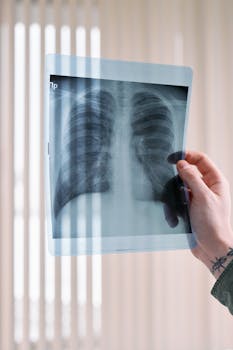
Mary recently had a persistent cough and was advised to undergo a chest X-ray to investigate further. While waiting for her results, she found herself wondering: What does a normal chest X-ray look like compared to an abnormal one? Understanding the differences and implications of these findings is crucial for anyone undergoing such tests.
Recognizing Chest X Ray Normal vs Abnormal Patterns
A chest X-ray is a critical diagnostic tool that can reveal a lot about the condition of your lungs, heart, and even bones. Visually interpreting a chest X-ray involves identifying patterns and structures to distinguish between normal and abnormal findings. In normal X-rays, structures like the heart and lungs appear without obstructions, and bones show no fractures. Abnormalities may include the presence of masses, fluid, or irregular bone appearances.
Key Indicators of Abnormal Chest X-Rays
Abnormal chest X-rays can signal a variety of conditions. Radiologists look for changes in size or shape of the heart and lungs, unusual shadows, or lesions that suggest conditions such as lung infections, like pneumonia, or even malignancies. It’s essential to have these images assessed by a trained professional who can provide a detailed diagnosis and advise the next steps.
What a Normal Chest X-ray Looks Like
In a typical chest X-ray, healthy lungs appear as clear fields on either side of the image. The heart silhouette is visible without distortion, and the diaphragm has a smooth curve. Fractures or abnormalities in the rib cage are also absent. These clear visuals provide a reassuring picture of overall thoracic health.
Common Causes of Abnormal Findings
Abnormal findings can result from various factors. Infections such as tuberculosis or pulmonary edema often manifest as hazy or murky areas on the X-ray. Chronic conditions, including chronic obstructive pulmonary disease (COPD), might show as hyperinflated lungs. Tumors can present as unusual masses, prompting further investigation.
When to Seek Care
If you experience persistent symptoms, such as a lasting cough, unexpected weight loss, or chest pain, it’s wise to pursue a medical evaluation. Regular testing and follow-up with your healthcare provider can ensure any potential issues are caught early. Professionals involved include radiologists, pulmonologists, and your primary care doctor who can help interpret the results and decide on the appropriate treatment path.
For those managing chronic conditions or undergoing repeated exams, knowing how lifestyle choices impact overall health can play a significant role in prevention and disease management. For more information on this, you can read our article on how lifestyle choices impact our overall health.
External Resources for Further Understanding
For a deeper understanding of chest X-rays and their implications, the MedlinePlus website offers a wealth of reliable information.
Takeaways
- Chest X-rays are vital in diagnosing a variety of thoracic conditions.
- Normal X-rays show clear lungs and a defined heart silhouette.
- Abnormal patterns suggest infections, tumors, or other health issues.
- Consult a healthcare provider if you experience persistent symptoms.
- Diagnostic exams should be interpreted by trained medical professionals.
Common Questions
When should I see a doctor about chest X-ray results?
If your X-ray results suggest abnormalities or if you’re experiencing symptoms like persistent cough or chest pain, seek medical advice promptly.
What type of provider interprets chest X-rays?
Radiologists are typically responsible for interpreting chest X-rays, but your primary care provider will discuss the findings with you and propose further tests or treatments if necessary.
Can lifestyle changes prevent abnormal chest X-rays?
While lifestyle changes can’t guarantee prevention, maintaining a healthy diet, regular exercise, and avoiding smoking can support lung and heart health, potentially reducing the risk of developing conditions that lead to abnormal findings.
Are there risks associated with chest X-rays?
Chest X-rays involve minimal exposure to radiation, making them generally safe. However, inform your doctor if you are pregnant or have concerns about radiation exposure.
How are abnormal chest X-ray findings treated?
Treatment varies based on the underlying cause. Options may include medications for infections, lifestyle modifications, or in some cases, surgical intervention. Your healthcare provider will determine the most suitable approach for you.
Understanding the distinctions between chest X ray normal vs abnormal results can significantly influence your health decisions and path forward, empowering you to take proactive steps towards well-being.
Other Articles You May Find of Interest...
- Radiographer or Radiologist? Know the Difference
- What a Bone Density Test Can Tell You About Your Fracture Risk
- How to Read a CT or MRI Report Before Your Follow-Up Appointment
- Brain MRI After a Stroke: What the Scan Can Show
- What Is Teleradiology? How It Works and What Patients Should Know
- Radiology Clinics in Southern Sydney: Options to Consider
- What Can Different Types of CT Scans Detect? A Patient Guide





