






More Imaging Articles
Does a Brain MRI Cover the Neck Area?
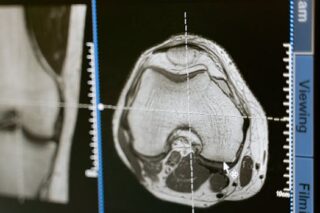
When undergoing medical imaging, patients often wonder about the coverage area of specific scans. A common question is: does a brain MRI include the neck? Understanding the scope of such scans is crucial for patients and doctors alike, especially when diagnosing conditions that may affect both the brain and the neck area.
Does a Brain MRI Include the Neck?
Magnetic Resonance Imaging (MRI) of the brain is primarily designed to capture detailed images of the cranial region – the brain itself. In standard practice, a brain MRI does not typically include the neck. However, if there are concerns about conditions or symptoms that affect both the brain and the cervical spine or neck area, a healthcare provider may order both a brain MRI and a cervical spine MRI to ensure comprehensive imaging.
There are instances where an MRI that combines both head and neck scanning is performed. This approach might be recommended for thorough evaluations if symptoms overlap or if there is a suspicion of conditions that traverse these anatomical regions, such as certain tumors or severe trauma. Coordination between these scans can give a better overall picture, assisting in accurate diagnosis and treatment plans.
In general, a brain MRI is a valuable diagnostic tool primarily focused on neurological conditions. These include stroke, brain tumors, and multiple sclerosis. If symptoms or medical history suggest potential issues in the cervical area, such as unexplained neck pain or certain neurological symptoms, your doctor may suggest additional cervical imaging.
When Is a Combined Brain and Neck MRI Recommended?
Doctors might recommend both brain and neck MRIs if they suspect conditions impacting both areas. For example, in cases of severe head trauma, where the injury might involve both the head and neck region, comprehensive imaging is crucial for proper assessment and treatment. Similarly, individuals with known cancer of the head or neck may require both scans to monitor the extent of disease spread or response to treatment.
Neurological symptoms such as numbness, tingling, or weakness could signify issues that affect both the brain and the spinal cord, where detailed imaging of both areas might be needed. Furthermore, vascular problems, like carotid artery disease, might prompt a focused MRI on both the head and neck to evaluate blood flow and potential complications.
What to Expect During a Brain or Neck MRI?
Both brain and neck MRIs are non-invasive procedures that involve lying still in an MRI machine. The machine uses magnetic fields and radio waves to produce detailed images. During the scan, you might hear loud tapping or thumping sounds, for which earplugs or headphones might be provided for comfort. The procedure itself is painless, though some people might experience discomfort due to the machine’s tight space.
The scan duration can vary, but a typical brain MRI takes about 30 to 60 minutes. If scans are performed for both the brain and neck, the appointment might take longer. It’s important to follow your healthcare provider’s instructions regarding food, medication intake, and removal of any metal objects before the procedure to ensure safety and accuracy.
Conclusion
While a brain MRI does not usually include the neck, understanding your symptoms and discussing them with your doctor is crucial. They can recommend the most appropriate scanning techniques to provide insights into your health condition. Your inquisitiveness, such as asking “does a brain MRI include the neck,” ensures you are well-prepared and informed about your diagnostic journey. For more information on brain health, you might also be interested in learning what vitamins are good for brain fog and memory.
- A standard brain MRI focuses on the cranial region and usually doesn’t include the neck.
- Combined MRI scans might be ordered if symptoms or conditions affect both regions.
- Discussing symptoms thoroughly with your healthcare provider helps tailor imaging needs.
- MRIs are crucial in diagnosing and managing neurological and certain systemic conditions.
- Consult with your healthcare provider for personalized imaging plans.
FAQs
Can a brain MRI also show problems in the neck?
Typically, a brain MRI does not encompass the neck unless both regions are specified in the imaging protocol. A separate neck MRI is usually required to evaluate conditions specific to the cervical spine or neck area.
How is a neck MRI different from a brain MRI?
A neck MRI focuses on the cervical spine and surrounding tissues, including any structures like lymph nodes, whereas a brain MRI focuses on the brain and cranium. These scans use similar technology but target different anatomical areas.
What conditions might prompt both a brain and neck MRI?
Severe trauma, cancer, vascular issues, or neurological symptoms extending from the head to the neck might prompt combined imaging. Each case is unique, and decisions are based on specific clinical symptoms and medical history.
Is it safe to have multiple MRIs?
Generally, MRIs are safe as they do not use ionizing radiation. However, it’s essential to discuss any concerns or medical conditions, such as metal implants, with your healthcare provider before scheduling an MRI.
How should I prepare for a brain or neck MRI?
Preparation might include fasting for a certain period, removing metal objects, and informing your healthcare provider about any medical implants. Follow the specific instructions provided to you for the best results.
Other Articles You May Find of Interest...
- Lung Nodule Size Explained: What Patients Need to Know
- How Long Will You Be Radioactive After a Nuclear Stress Test?
- Does a Brain MRI Cover the Neck Area?
- What Does a Ground Glass Nodule Mean for Your Lung Health?
- What Does a Hypoechoic Mass Mean for Your Health?
- Interpreting Chest X Rays for Pulmonary Edema Diagnosis
- What Is an Anechoic Cyst and How Can It Impact Your Health?




