






More Imaging Articles
Are CT Scans and CAT Scans Actually the Same Thing?
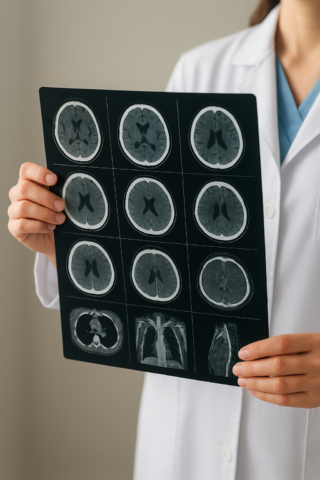
Many people find themselves in hospitals or doctor’s offices, wondering about the tests suggested for diagnosing their condition. One common question that arises is is ct & cat scan the same? If you’ve been confused by these terms, you’re not alone. At first glance, they might seem like different medical procedures, but they’re actually referring to the same imaging technology.
Is CT & CAT Scan the Same?
To clear up any confusion, a CT scan and a CAT scan are indeed the same thing. “CT” stands for Computed Tomography, while “CAT” stands for Computed Axial Tomography. Despite the different names, both refer to a specialized X-ray technique that provides detailed images of the body’s internal structures. This imaging is vital in diagnosing, monitoring, and planning treatment for numerous medical conditions.
What Exactly Happens During a CT Scan?
A CT scan involves lying on a narrow table that slides through a large, doughnut-shaped X-ray machine. Unlike traditional X-rays, which provide a flat image, CT scans compile multiple X-rays to generate a comprehensive 3D picture of an area of interest. This imaging can be crucial for visualizing bones, blood vessels, soft tissues, and organs with precision.
Are There Differences in Terminology?
While you might hear both terms used interchangeably, “CT scan” is the more modern term that’s widely adopted in professional healthcare settings. Medical professionals across the globe recognize both terms, but transitioning to “CT” aligns with the latest advancements and standardizations in medical imaging technology.
Applications in Everyday Healthcare
CT scans are indispensable in modern medicine, often aiding in the diagnosis of conditions like head injuries, tumors, and infections. They’re also utilized in guiding surgical procedures, evaluating the effectiveness of treatments, and even in emergency situations to determine the extent of an injury. The detailed imagery provided by CT scans helps clinicians see beyond basic X-rays, offering a clearer picture of a patient’s health.
When to Seek Care
If you’re experiencing unexplained symptoms such as severe headaches, persistent abdominal pain, or trauma from an accident, a healthcare provider may recommend a CT scan. This test is typically ordered by a primary care physician, specialist, or emergency room doctor to further investigate symptoms and make informed decisions about your treatment.
Practical Tips for Undergoing a CT Scan
Before undergoing a CT scan, you will likely need to remove any metal objects, as they can interfere with the imaging. You might also be asked to fast for a few hours if the scan involves contrast material, which helps highlight specific organs or tissues. The procedure is non-invasive, relatively quick, and typically lasts less than 30 minutes. It’s important to communicate any allergies or kidney problems to your healthcare provider before the scan, especially if contrast material will be used.
For some readers, understanding the impact of lifestyle choices on overall health can help in preparing their bodies for medical procedures and lead to better outcomes.
How Safe Are CT Scans?
CT scans, while using radiation, are generally safe and the benefits often outweigh the risks when medically justified. Your healthcare provider will evaluate the necessity of the scan against any potential risks. If you’re pregnant or have concerns about radiation, it’s essential to discuss these with your doctor. The technology has advanced significantly to ensure safety and accuracy, making CT scans a reliable diagnostic tool.
Your Role in Healthcare Decisions
Staying informed about medical procedures is a powerful step in taking control of your health. Understanding that a CAT scan same as CT empowers you to be an active participant in healthcare discussions, ensuring clarity in communication and confidence in medical settings.
Explore more about medical imaging and its implications on your health by visiting trusted medical sources online.
Takeaways
- A CT scan and a CAT scan are the same procedure, using advanced X-rays for detailed body imaging.
- CT scans are crucial for diagnosing a variety of conditions, including injuries and tumors.
- Modern advancements have improved the safety and accuracy of CT scanning technology.
- Communicate with your doctor about any concerns, like allergies or pregnancy, before a scan.
- Understanding the procedure helps you make informed healthcare decisions.
Common Questions
When should I see a doctor about getting a CT scan?
If you’re experiencing persistent or unexplained symptoms, such as severe headaches or abdominal pain, it may be time to seek a doctor’s advice. They can determine if a CT scan is necessary for further diagnosis.
What type of healthcare provider orders a CT scan?
CT scans are typically ordered by primary care physicians, specialists, or emergency room doctors when they need detailed images to diagnose or manage a condition.
Why might my doctor recommend a CT scan over an X-ray?
Doctors might prefer a CT scan over a traditional X-ray due to its ability to provide more detailed images, especially useful for examining complex or ambiguous cases where higher precision is required.
Can CT scans prevent medical conditions?
While CT scans are excellent diagnostic tools, they do not prevent medical conditions. However, they can detect early signs of certain diseases, allowing for prompt intervention.
What are some precautions to take after a CT scan with contrast?
Your doctor may advise you to drink extra fluids to help flush the contrast material from your body and monitor for any allergic reactions. Always follow specific post-procedure instructions from your healthcare provider.
Other Articles You May Find of Interest...
- Radiographer or Radiologist? Know the Difference
- What a Bone Density Test Can Tell You About Your Fracture Risk
- How to Read a CT or MRI Report Before Your Follow-Up Appointment
- Brain MRI After a Stroke: What the Scan Can Show
- What Is Teleradiology? How It Works and What Patients Should Know
- Radiology Clinics in Southern Sydney: Options to Consider
- What Can Different Types of CT Scans Detect? A Patient Guide





