






Your Health Magazine
4201 Northview Drive
Suite #102
Bowie, MD 20716
301-805-6805
More Heart Disease, Stroke and Diabetes Articles
How the “Second Heart of the Body” Impacts Your Real Heart
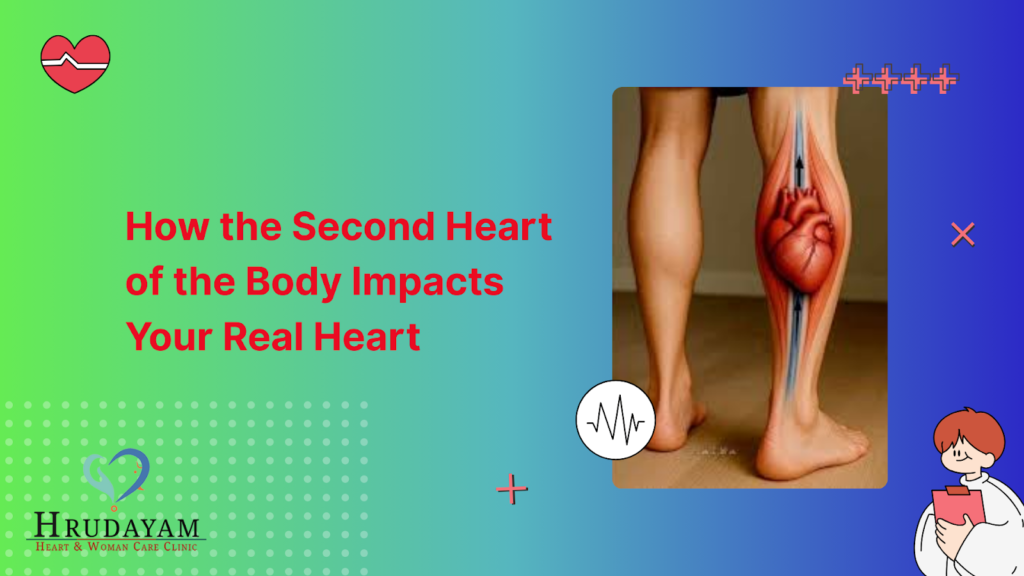
When it comes to keeping your heart healthy, many people focus on diet, exercise, and regular check-ups. According to the top cardiologist in Nagpur, there is another vital organ that hugely impacts heart health: your legs, especially your calves. The muscles in these areas work like a pump to help blood circulate around your body. By grasping the concept of your “body’s second heart,” you can understand how to take care of your heart better than ever before.
What Is the “Second Heart of the Body”?
The expression “second heart of the body” indicates the lower leg muscles, principally the calves. These muscle groups are more than just your walking or running tools. They are also responsible for returning the blood in your legs to your heart. It would be very difficult for your heart to work alone against gravity to send blood upwards; these muscles, therefore, facilitate the task. Imagine them as those assistants who lessen the burden of the main heart.
Why Your Legs Matter for Heart Health
Most people are uninformed that inactive or weak leg muscles can significantly increase the effort of your heart to function normally. Blood that remains stagnant in your legs may cause swelling, varicose veins, or even more severe cases such as blood clots. A significant part of the blood in your body is returned through your lungs to your heart so the cycle can continue once the oxygen gets delivered to the tissues. When your calf muscles are active and strong, they effectively help the blood to flow upward. Thus, less tension is put on your heart, and your entire circulatory system works efficiently.
How Blood Circulation Works
Your heart, as the main pump of your body, pushes oxygen-rich blood loaded with nutrients to your entire body. After the blood gives out oxygen, it must get back to the heart. The role of gravity is to make it difficult for blood in the legs to flow upward. The muscles in the legs are the ones that take up this challenge. During walking, running, or even when doing rather light exercises, the calf muscles contract, thus pushing the blood toward the heart. Hence, the blood continues to flow instead of stagnating for long periods.
Exercise That Keeps Your “Second Heart” in Shape
It is not necessary to spend your whole day at the gym if you want healthy legs. With a few simple exercises, you can still achieve a great effect. Every day walking is one of the most simple ways to get your calf muscles working. Next, try to raise your heels and stand on your toes and then lower yourself down slowly. Cycling, swimming, and light jogging are great activities for blood circulation and the strength of your “second heart.” If you sit at a desk for long hours, even stretching while sitting can help.
Signs Your Second Heart Needs Help
Your lower legs may be the first to give you the sign that your muscles are not adequately performing their function. Symptoms associated with poor blood circulation are swelling, heaviness, or tenderness in the legs. Two other signs of your need to pay more attention to your “second heart” are having cold feet or getting cramps at night. When some of these symptoms occur, you should not hesitate to consult a doctor. A reputable cardiologist in Nagpur will be able to help you with the right exercises or treatments that are great for protecting both your legs and your heart.
Lifestyle Habits That Support Circulation
Besides exercise, your lifestyle also plays a big role in influencing your second heart and your real heart. Being well-hydrated is a key factor, as water makes your blood flow more smoothly. Don’t sit or stand in a single position for too long. In case your job requires you to stay in one place, then you better change the place every hour and take a short walk. Consuming food that is high in fiber and contains healthy fats, such as the ones you get from fruits, vegetables, nuts, and fish, will also help your blood to circulate well.
How This Helps Your Heart
By being active and strong, your “second heart” makes your main heart work less. Your blood circulates well, and the chances of your having a heart problem could go down. It matters a lot, especially when we grow old. Many heart problems that are related are starting without any symptoms and are going unnoticed until it is too late. Staying with healthy calf muscles is like helping your heart and keeping your health as a whole.
Tips for Daily Care
- Have short walks a few times during the day. Just five or ten minutes can do a lot.
- Do some leg stretches while watching TV or working.
- Have a few sessions of standing calf raises in the day.
- Don’t cross your legs if you are sitting for a long time.
- Get yourself comfortable shoes that give your legs the right support.
It is easy to cheat on such small efforts, but in reality, they contribute largely to how the heart works. If the “second heart of the body” is strong and active, the circulation and the health of the heart would improve accordingly.
According to Dr. Chetan Rathi, a leading cardiologist in Nagpur, the “second heart of the body” plays a vital role in supporting healthy blood circulation and reducing cardiac strain. His preventive cardiology approach emphasises lifestyle management to protect both vascular and heart health.
Conclusion
Your legs are much more than just a means to get from one place to another. They are instrumental in ensuring that your heart stays safe while your blood flows smoothly. Looking after your leg muscles is basically giving your heart a tremendous boost. So, whenever you decide to go walking, cycling, or even do some stretches, don’t forget that besides moving your legs, you are aiding your heart. The second heart of the body is indeed potent, and its maintenance is a simple and very effective method of safeguarding the most vital organ in your body.
Other Articles You May Find of Interest...
- Navigating the i c d 10 Code for Type 2 Diabetes: Essential Insights for Better Health
- Managing Hypertriglyceridemia: Insights on ICD 10 Classification
- Mastering 70/30 Insulin for Better Diabetes Management
- What Is a Holosystolic Murmur and What Does It Mean for Your Heart Health?
- Is Your Heart Positioned on the Left or Right Side? Discover the Facts
- Is Your RDW Level in the Danger Zone? Discover the Risks and What It Means for Your Health
- Navigating the 4 Stages of Congestive Heart Failure and Their Symptoms




