






More Heart Disease, Stroke and Diabetes Articles
Essential Strategies for Managing Heart Failure with GDMT
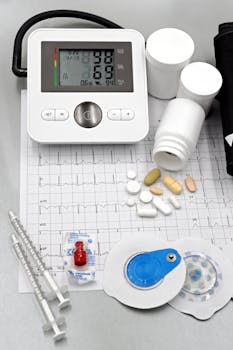
Heart failure is a chronic condition that affects millions of people worldwide, and managing it effectively requires a comprehensive approach. Recently, the term gdmt (Guideline-Directed Medical Therapy) has gained prominence in the context of heart failure management. This approach involves the use of evidence-based treatments recommended by leading health organizations to improve outcomes in heart failure patients. Understanding and implementing GDMT can make a significant difference in quality of life and prognosis for those diagnosed with this condition.
What is GDMT?
The primary goal of GDMT for heart failure is to optimize the use of medications and therapies that have been proven to reduce morbidity and mortality in patients with heart failure. These guidelines include the use of specific medications such as beta-blockers, ACE inhibitors, ARBs (angiotensin II receptor blockers), mineralocorticoid receptor antagonists, and in certain cases, SGLT2 inhibitors. By consistently applying these guidelines, healthcare providers aim to stabilize the condition, prevent hospitalizations, and improve the overall life expectancy of patients.
The Role of Medications in GDMT
Medications are a cornerstone of GDMT. They help manage symptoms and prevent the progression of the disease. Beta-blockers and ACE inhibitors are commonly prescribed drugs known to improve survival rates. They work by reducing the workload on the heart and lowering blood pressure, making it easier for the heart to pump blood. Mineralocorticoid receptor antagonists and SGLT2 inhibitors can be added to the regimen based on the patient’s specific health needs and response to treatment.
Lifestyle Modifications
While medications play a critical role, lifestyle changes are equally important in the management of heart failure. Patients are encouraged to follow a heart-healthy diet, engage in regular physical activity, and maintain a healthy weight. Reducing sodium intake, quitting smoking, and managing stress are also essential components of a comprehensive GDMT strategy. These modifications, combined with guideline-directed therapies, can help improve heart function and slow disease progression. For more on how lifestyle can impact health, visit our article on how lifestyle choices impact our overall health.
Monitoring and Regular Check-Ups
Regular monitoring of heart function and symptoms is vital in GDMT heart failure management. Routine check-ups allow healthcare providers to adjust medications as needed and monitor for potential side effects. Patients are encouraged to track their weight daily, monitor for worsening symptoms, and report any significant changes to their healthcare team promptly.
Advanced Therapies in GDMT
In addition to medications and lifestyle changes, advanced therapies may be required for some patients. These include implantable devices like pacemakers or defibrillators, which help manage irregular heartbeats, and in severe cases, surgical options such as coronary bypass surgery or heart transplants. These therapies are considered when GDMT and conventional treatments are insufficient to manage the condition effectively.
Importance of Patient Education
Education is a critical component of GDMT for heart failure. By understanding the nature of their condition and the importance of adhering to guidelines, patients are better prepared to manage their health actively. Healthcare providers play a key role in ensuring patients understand their treatment plan and the significance of each component.
Family and Community Support
The support of family and community can significantly impact a patient’s ability to adhere to GDMT protocols. Loved ones can assist in medication management, encourage healthy lifestyle changes, and provide emotional support. Community resources and support groups can also be valuable in offering encouragement and practical advice to those living with heart failure. External resources like Wikipedia on Heart Failure can provide additional insights and information.
Final Thoughts on GDMT
GDMT represents a comprehensive approach to managing heart failure, focusing on evidence-based practices to support patient health and longevity. By integrating medications, lifestyle changes, monitoring, education, and support, the goal is to improve outcomes and quality of life for patients with heart failure. For individuals diagnosed with heart failure, embracing GDMT can significantly enhance their overall health trajectory.
- GDMT involves guideline-directed therapies for heart failure management.
- Medications like beta-blockers and ACE inhibitors are essential in GDMT.
- Lifestyle changes and regular monitoring support effective management.
- Patient education and support systems play crucial roles in GDMT success.
- Advanced therapies may be necessary when standard treatments fall short.
What is GDMT?
GDMT stands for Guideline-Directed Medical Therapy, a structured approach using evidence-based guidelines to manage conditions like heart failure.
Why is GDMT important in heart failure?
GDMT improves patient outcomes by using proven therapies to reduce symptoms, prevent complications, and increase survival.
What lifestyle changes are recommended alongside GDMT?
Heart-healthy diets, regular exercise, weight management, and stress reduction are crucial lifestyle changes that complement GDMT.
Can GDMT prevent heart failure progression?
While GDMT can’t cure heart failure, it can help stabilize the condition and slow progression, improving patient quality of life.
Where can I learn more about GDMT?
For more detailed information, consult healthcare professionals and trusted resources like this informative page on health.
Other Articles You May Find of Interest...
- Exploring the Impacts and Management of Brash Syndrome
- The Importance of Maintaining Euglycemia for Optimal Health
- Essential Strategies for Managing Heart Failure with GDMT
- Can Xanax Help Lower Blood Pressure? Exploring the Connection
- Euglycemic DKA: A Hidden Risk in Diabetes Management?
- Effective Approaches to Ventricular Tachycardia Treatment for a Healthier Heart
- Navigating Cholesterol: What Is LDL-C and Why It Matters for Your Health




