






More Heart Disease, Stroke and Diabetes Articles
Effective Strategies for Relieving Chest Tightness and Discomfort
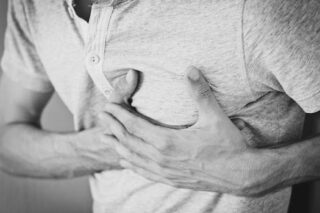
Experiencing chest tightness can be uncomfortable and sometimes alarming. Understanding effective strategies for how to relieve chest tightness can help you manage this condition more comfortably. Chest tightness often varies in intensity and can result from various causes, including stress, anxiety, and other health conditions.
Understanding How to Relieve Chest Tightness
Before addressing how to relieve chest tightness, it’s essential to identify its underlying cause. Tightness may stem from factors such as digestive issues, muscle strain, respiratory conditions, or emotional stress. Once the source is understood, appropriate strategies can be applied to ease the discomfort.
Breathing Techniques and Relaxation
One effective method for relieving chest tightness is practicing controlled breathing. Techniques such as diaphragmatic breathing aim to calm the mind and relax the body, reducing stress levels and easing physical tension. Start by sitting comfortably, placing one hand on your chest and the other on your abdomen. Breathe in slowly through your nose, allowing your stomach to expand, then breathe out through your mouth.
Physical Activity and Exercise
Engaging in regular physical activity can support respiratory health and reduce tension that might contribute to chest discomfort. Incorporating moderate exercises such as walking, cycling, or swimming into your routine can improve cardiovascular and muscular health. Always consult your healthcare provider before starting any new exercise regimen, particularly if you have existing health concerns.
Dietary Considerations
A balanced diet can play a significant role in preventing and relieving chest tightness, especially if it’s related to digestive issues. Eating smaller, more frequent meals and avoiding triggers such as caffeine, alcohol, and spicy foods can be beneficial. Maintaining a healthy weight and staying hydrated are also crucial factors in overall well-being. Learn more about the impact of lifestyle choices on health.
Hydration and Posture
Proper hydration is essential for optimal mind-body function, supporting muscle relaxation, and reducing discomfort. Ensure you drink sufficient water throughout the day. Moreover, maintaining good posture can prevent muscle strain. Be mindful of your alignment while sitting or standing and take regular breaks to stretch and adjust your posture.
When to Seek Medical Attention
While chest tightness is often benign, it’s essential to recognize when it might indicate a more severe issue. Seek immediate medical attention if the tightness is accompanied by other symptoms such as shortness of breath, severe pain, or if it occurs suddenly. These could signal a potentially dangerous condition like a heart attack or pulmonary issues.
Conclusion: Strategies and Approaches
In summary, understanding how to relieve chest tightness involves identifying its causes and implementing effective strategies such as breathing exercises, regular physical activity, dietary changes, adequate hydration, and maintaining good posture. Although often manageable, chest tightness can sometimes signal a serious health condition requiring medical attention. For detailed health information, visit Wikipedia’s health page.
- Controlled breathing can ease stress-related chest tightness.
- Regular exercise supports overall respiratory health.
- A balanced diet helps in managing digestive-related discomfort.
- Good posture and hydration are key to preventing muscle strain.
- Seek medical advice if chest tightness is severe or persistent.
FAQs
What are common causes of chest tightness?
Chest tightness may result from stress, anxiety, muscle strain, respiratory issues, and digestive problems, among other causes.
Can breathing exercises really help with chest tightness?
Yes, breathing exercises can help relax the body and mind, reducing stress-induced tension in the chest.
When should I be concerned about chest tightness?
Consult a healthcare professional if chest tightness is severe, comes on suddenly, or is accompanied by other concerning symptoms.
How does hydration affect chest tightness?
Staying well-hydrated can support muscle relaxation and prevent strain, which may reduce feelings of chest tightness.
Are there specific exercises I should avoid if I have chest tightness?
Consult with a healthcare provider to determine safe exercises, and avoid high-intensity or strenuous activities if they exacerbate symptoms.
Other Articles You May Find of Interest...
- What Are Normal Troponin Levels and Why Do They Matter?
- Why Undiagnosed Heart Attacks Pose Greater Risks
- Exploring the Impact of Germline Mutations on Health and Wellness
- What Are the Factors Influencing Open Heart Surgery Survival Rates?
- Is Your Belching Causing Heart Pain? Understanding the Connection
- The Essential Guide to POC Glucose Monitoring for Better Health Insights
- Navigating the Complexities of 2nd Degree Type 2 and Mobitz Type 2 Heart Block




