






Your Health Magazine
4201 Northview Drive
Suite #102
Bowie, MD 20716
301-805-6805
More Healthcare Careers Articles
Reimagining Care: How Healthcare Is Changing for Better Outcomes
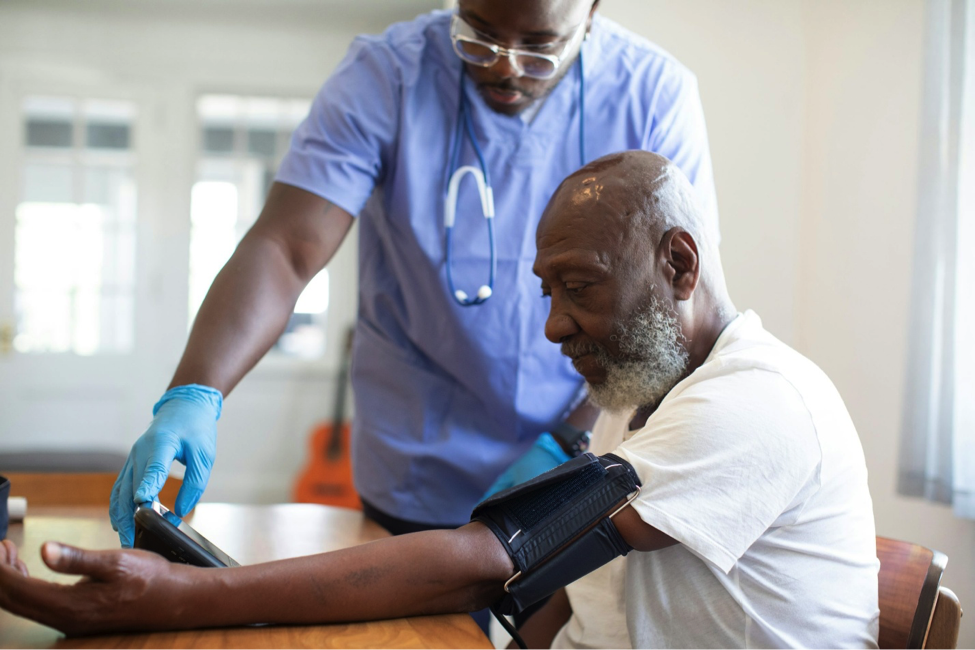
Healthcare is evolving at an unprecedented pace, driven by innovation, shifting patient expectations, and a stronger commitment to improving outcomes. Modern systems are moving beyond reactive treatment toward proactive, patient-focused strategies that emphasize prevention, accessibility, and quality care.
Technological advancements, data-driven insights, and interdisciplinary collaboration are reshaping how services are delivered and experienced. Patients today expect transparency, convenience, and personalized attention, and healthcare organizations are responding with models designed to meet these demands.
Patient-Centered Care as the Foundation
Patient-centered care has emerged as the cornerstone of modern healthcare reform. This approach places individuals at the center of every decision, ensuring that their preferences, values, and needs guide treatment plans. Providers are focusing on building meaningful relationships with patients, encouraging open communication and active participation in care decisions.
Such engagement leads to improved adherence to treatment plans and stronger trust between patients and healthcare professionals. Personalized care plans are becoming increasingly common, supported by advancements in data analytics and health technology. Tailored treatment strategies address specific health conditions while considering lifestyle factors and social determinants of health.
Expanding Roles of Healthcare Professionals
The changing healthcare landscape has expanded the responsibilities and influence of healthcare professionals across all disciplines. Interdisciplinary collaboration is now essential, with physicians, nurses, therapists, administrators, and public health experts working together to deliver comprehensive care. Such collaboration enhances clinical efficiency and ensures that patients receive well-rounded support throughout their healthcare journey.
Advanced education and specialized training have become critical in preparing professionals for these evolving roles. Professionals having a master’s degree in health science are in demand as current systems seek leaders who can integrate clinical knowledge with management and innovation. Programs such as the Master of Science in Health Science offered by Southeastern Oklahoma State University provide a strong example of how academic institutions are equipping professionals with the skills needed to navigate modern healthcare challenges. This program emphasizes leadership development, evidence-based practice, and strategic decision-making, preparing graduates to contribute meaningfully to healthcare organizations and improve patient outcomes.
Digital Health Technologies Transforming Care Delivery
Digital transformation is redefining how healthcare services are delivered and managed. Electronic health records have streamlined information sharing, enabling providers to access accurate patient data quickly and make informed clinical decisions. Telehealth platforms have expanded access to care, particularly for patients in rural or underserved areas, allowing consultations to take place without geographical barriers.
Artificial intelligence and data analytics are playing a growing role in diagnostics, treatment planning, and population health management. Predictive analytics helps identify potential health risks, enabling early intervention and more effective care strategies. Remote monitoring devices allow healthcare providers to track patient conditions in real time, improving chronic disease management and reducing hospital readmissions.
Preventive Care and Population Health Management
Preventive care has gained prominence as healthcare systems strive to reduce the burden of chronic diseases and improve long-term outcomes. Emphasis on early detection, routine screenings, and health education encourages individuals to take an active role in maintaining their well-being. Preventive strategies not only improve individual health but also contribute to healthier communities and reduced healthcare costs.
Population health management focuses on addressing the broader factors that influence health, including socioeconomic conditions, environmental influences, and access to resources. Healthcare organizations are leveraging data analytics to identify at-risk populations and implement targeted interventions that promote better health outcomes.
Value-Based Care Driving Better Outcomes
Value-based care represents a significant shift from traditional fee-for-service models, emphasizing quality and efficiency rather than the volume of services provided. Healthcare providers are now evaluated based on patient outcomes, safety measures, and overall performance, encouraging a more results-oriented approach to care delivery. This model promotes accountability and incentivizes organizations to adopt best practices that enhance patient experiences and improve clinical outcomes.
Collaboration among healthcare providers, insurers, and policymakers plays a crucial role in the successful implementation of value-based care. Integrated care models encourage coordination across specialties, reducing redundancies and improving continuity of care. Patients benefit from more comprehensive treatment plans, while healthcare systems achieve greater cost efficiency and sustainability.
Addressing Health Equity and Accessibility
Health equity has become a central focus in the effort to improve healthcare outcomes for all populations. Persistent disparities in access, quality, and affordability have highlighted the need for more inclusive and equitable systems. Healthcare organizations are working to eliminate these gaps by expanding services in underserved communities and promoting policies that ensure fair access to care. Greater awareness of social determinants of health has encouraged providers to consider factors such as income, education, housing, and environment when designing treatment plans and outreach programs.
Culturally competent care plays a critical role in addressing disparities and fostering trust between patients and providers. Healthcare professionals are receiving training that enables them to understand diverse cultural perspectives, communication styles, and health beliefs.
Innovation in Healthcare Education and Training
Healthcare education is evolving to meet the demands of a rapidly changing industry. Academic institutions and training programs are integrating advanced technologies, interdisciplinary learning, and real-world experiences into their curricula. Simulation-based training, virtual learning environments, and digital tools are enhancing the way future healthcare professionals develop clinical and decision-making skills. These innovations prepare graduates to navigate complex healthcare systems with confidence and adaptability.
Continuous professional development has become essential as medical knowledge and technologies continue to advance. Healthcare professionals are encouraged to engage in lifelong learning through certifications, workshops, and specialized training programs. Interdisciplinary education fosters collaboration among professionals from different fields, strengthening teamwork and communication within healthcare settings.
Healthcare is undergoing a meaningful transformation that prioritizes innovation, collaboration, and improved outcomes. Patient-centered practices, technological advancements, and evolving professional roles are reshaping how care is delivered and experienced. Efforts to promote health equity, strengthen education and training, and enhance collaborative care models are driving progress across the industry.
These changes reflect a commitment to building a more responsive and sustainable healthcare system. Continued investment in preventive care, digital technologies, and value-based models will further improve accessibility, efficiency, and quality. The ongoing reimagining of healthcare holds the promise of better outcomes, enhanced patient experiences, and a future where high-quality care is within reach for all.
Other Articles You May Find of Interest...
- Reimagining Care: How Healthcare Is Changing for Better Outcomes
- The Modern Health Professional’s Guide to Job Hunting in 2026
- The Modern Health Professional’s Guide to Job Hunting in 2026
- Steps to Becoming an Anesthesiologist Assistant for a Rewarding Career
- Time-Saving Tricks for Better Nursing Essays
- The Technology Behind Online NP Programs: What You’ll Actually Use and Why It Matters
- How Professional Training Improves Outcomes in Behavioral Health Careers




