






More Health & Wellness Tips Articles
What Is the Fraction of Inspired Oxygen and Why Is It Important for Health?
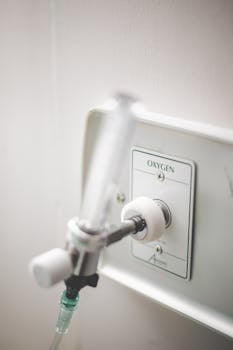
The concept of “fraction of inspired oxygen definition” revolves around understanding the amount of oxygen that comprises the air we inhale. This metric is fundamental in assessing both environmental conditions and individual health needs, especially in medical and high-altitude settings. Understanding this term can empower you to make informed health decisions.
Understanding the Fraction of Inspired Oxygen Definition
The fraction of inspired oxygen, often abbreviated as FiO2, refers to the concentration of oxygen within the air mixture inhaled by an individual. Under standard atmospheric conditions at sea level, the FiO2 is approximately 21%. This percentage signifies the natural composition of oxygen in the earth’s atmosphere.
FiO2 becomes especially vital in medical settings, where oxygen therapy is used. Physicians and healthcare providers manipulate FiO2 levels to treat conditions like chronic obstructive pulmonary disease (COPD), asthma, and other respiratory disorders. Adjusting the FiO2 helps ensure that patients receive the optimal level of oxygen to meet their physiological needs.
The implications of FiO2 are also significant in understanding environmental changes, such as those experienced at high altitudes. As altitude increases, barometric pressure decreases, which can reduce the body’s ability to access oxygen, necessitating supplements to maintain adequate oxygen levels.
Why is the Fraction of Inspired Oxygen Important?
FiO2 plays a crucial role in respiratory health. It helps in evaluating how well lungs are transporting oxygen into the blood. An appropriate balance of oxygen is essential for optimal bodily function. Inadequate oxygenation can lead to hypoxemia, a condition marked by low levels of oxygen in the blood, which can cause symptoms like shortness of breath, confusion, and lethargy.
Adjusting FiO2 is a critical component of treating patients who require mechanical ventilation. During surgery, anesthesia or for patients in critical care, carefully monitoring and controlling FiO2 ensures that tissues and organs receive sufficient oxygen.
For those interested in maintaining a healthy lifestyle, it’s beneficial to understand how different environments and lifestyle choices can affect oxygen intake and overall well-being. Discover more about maintaining optimal health through lifestyle choices in our article on how lifestyle choices impact our overall health.
Applications and Adjustments of FiO2
In clinical settings, FiO2 can be adjusted according to patient needs, often through the use of supplemental oxygen devices like masks or nasal cannulas. This adjustment is vital for critically ill patients who are unable to maintain adequate oxygen levels independently.
Furthermore, FiO2 is an essential parameter monitored in mechanical ventilation, where precise control over oxygen delivery is needed. Various studies are being conducted to determine the best practices for adjusting FiO2 and its impact on recovery outcomes. Researchers continue to investigate various approaches to oxygen therapy to improve patient care and treatment protocols.
Additionally, understanding FiO2 is valuable for athletes training at high altitudes. High-altitude training can improve an athlete’s endurance by gradually increasing the body’s efficiency in utilizing oxygen. However, care must be taken to prevent altitude sickness, which may occur if the body cannot adapt to decreased available oxygen.
Monitoring and Measuring FiO2
FiO2 is typically measured using different techniques, including analyzing the oxygen content in inhaled air. Specialized medical equipment, such as pulse oximeters and arterial blood gas tests, help monitor oxygen saturation levels as a secondary measure of FiO2 efficacy.
Ongoing research seeks to refine the precision with which FiO2 can be measured and adjusted. Such advances could lead to innovations in non-invasive monitoring techniques, offering more responsive and personalized healthcare solutions.
The Role of Technology in FiO2 Management
Advancements in technology have significantly impacted the management and delivery of FiO2. Modern equipment allows healthcare providers to accurately administer and monitor supplemental oxygen, ensuring patients receive the necessary levels to support their health.
Technological innovations continue to evolve, providing new tools for managing oxygen therapy more effectively across diverse medical settings. As technology progresses, it opens new avenues for remote monitoring and improved patient outcomes.
In conclusion, the fraction of inspired oxygen definition is a crucial concept, reflecting both the composition of inhaled air and its importance in medical and environmental applications. Understanding and managing FiO2 can significantly impact health maintenance and recovery.
For further information on related topics, you may visit credible sources such as Wikipedia’s article on health.
- The fraction of inspired oxygen (FiO2) measures oxygen concentration in inhaled air.
- FiO2 is essential in medical settings, particularly for respiratory care.
- Understanding FiO2 helps manage health, especially in high-altitude environments.
- Technological advances continue to improve the management of oxygen therapy.
- FiO2 adjustments can impact athletic performance and recovery.
What is the standard fraction of inspired oxygen at sea level?
The standard fraction of inspired oxygen at sea level is approximately 21%, which is the natural atmospheric concentration of oxygen.
How does altitude affect FiO2?
As altitude increases, atmospheric pressure decreases, which can lower the effective FiO2 and reduce oxygen availability to the body, often requiring supplemental oxygen to prevent hypoxemia.
How is FiO2 adjusted in medical settings?
In medical settings, FiO2 can be adjusted through the use of oxygen delivery devices such as masks and nasal cannulas, particularly for patients undergoing anesthesia or those in intensive care units.
Why is monitoring FiO2 important for athletes?
Monitoring FiO2 is important for athletes training at high altitudes as it helps optimize oxygen intake, improving endurance and performance while preventing altitude-related illnesses.
Can technological advances improve FiO2 management?
Yes, technological advances continue to improve the precision of FiO2 management, offering better monitoring and adaptable solutions for both individuals and healthcare providers.
Other Articles You May Find of Interest...
- What Is the Fraction of Inspired Oxygen and Why Is It Important for Health?
- Vaping and Smoking Risks: What the Health Evidence Shows
- Unlocking the Health Benefits of Ipamorelin for Optimal Wellness
- Does Green Tea Contain Caffeine? Discover the Facts
- Discover Effective Substitutes for Baking Powder in Your Recipes
- Unlocking the Power of the Master Patient Index for Improved Healthcare Coordination
- The Caffeine Content in Two Traditional Green Tea Bags Explained




