






More Health & Wellness Tips Articles
Preventing Tick-Borne Diseases: Essential Tips for Staying Safe Outdoors
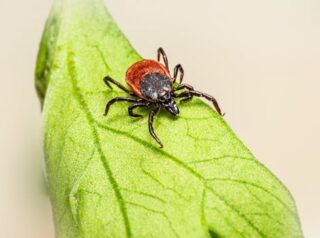
Enjoying the great outdoors is a wonderful way to stay active and connect with nature. However, with the beauty of the wilderness comes the hidden risk of ticks. These small arachnids can sometimes carry diseases that may affect human health. Preventing tick-borne diseases is crucial, particularly when an embedded tick can go unnoticed for a period of time. Understanding how to manage and avoid ticks during your outings is an essential skill for outdoors enthusiasts.
Understanding the Threat of the Embedded Tick
Ticks are known for their ability to latch onto the skin of humans and animals, and their small size can make them difficult to detect. Once an embedded tick begins feeding, it can transmit various pathogens that cause illnesses such as Lyme disease or Rocky Mountain spotted fever. The key to preventing these diseases lies in early detection and proper removal of ticks.
Essential Tips for Outdoor Protection
To reduce the likelihood of a tick bite, consider taking several preparatory steps before venturing into tick-prone areas:
- Wear long sleeves and pants, tucking your pants into your socks to prevent ticks from reaching your skin.
- Use insect repellents that contain 20-30% DEET on exposed skin and clothing.
- Choose light-colored clothing to easily spot any ticks that may land on you.
- Stay on well-marked trails and avoid tall grasses and bushy areas where ticks are likely to be found.
Conducting a Thorough Tick Check
After spending time outdoors, perform a comprehensive check of your body for ticks. Pay special attention to hidden areas like underarms, behind knees, and along the hairline. Showering soon after being outside can help remove unattached ticks.
Proper Removal of an Embedded Tick
If you find a tick embedded, use fine-tipped tweezers to grasp the tick as close to the skin’s surface as possible. Pull upward with steady, even pressure—twisting or jerking can cause parts of the tick to break off and remain in the skin. After removal, clean the site thoroughly with soap and water. For more details on safe removal, refer to the U.S. Centers for Disease Control and Prevention’s guidelines on removing a tick.
Recognizing Tick-Borne Disease Symptoms
Keep an eye out for symptoms following a tick bite, such as rash, fever, chills, or muscle aches. These could indicate a possible tick-borne disease. Early treatment often involves antibiotics and should be tailored by a healthcare professional. Any concerns following a tick bite should prompt a consultation with a healthcare provider.
Collaboration with Healthcare Providers
Your healthcare provider can offer insights into preventing tick-borne diseases and managing symptoms. They may recommend certain preventive measures or diagnostic tests if you frequently find yourself in high-risk areas. For those interested in a broader approach to health, check out our article on safe and effective approaches to weight loss.
Beyond Ticks: Comprehensive Outdoor Safety
While tick prevention is important, staying safe outdoors also involves being prepared for other potential hazards. Carry a first-aid kit, stay hydrated, and be aware of your surroundings. Additionally, informing someone of your plans and expected return time is a crucial safety step.
Conclusion
By understanding the risks associated with an embedded tick and implementing the strategies outlined here, you can significantly reduce your chances of contracting tick-borne diseases. Enjoying the great outdoors doesn’t have to come with a high health risk if you’re equipped with the right knowledge and tools.
- Wearing appropriate clothing and using repellent is key for preventing tick bites.
- Conduct regular tick checks after spending time outdoors.
- Early detection and removal of ticks reduces the risk of disease transmission.
- Consult healthcare providers if you experience any symptoms post tick bite.
- Consider overall outdoor safety to make the most of your adventure.
Frequently Asked Questions
How soon should I remove an embedded tick?
It’s best to remove an embedded tick as soon as it is noticed. Prompt removal reduces the chance of pathogens being transmitted.
Can embedded ticks transmit all types of tick-borne diseases?
No, not all ticks carry diseases, but certain species do. Lyme disease, for example, is typically spread by deer ticks.
What should I do if I notice symptoms of a tick-borne illness?
If you develop symptoms like fever, rash, or muscle pain following a tick bite, seek medical attention promptly for advice and treatment options.
Can I prevent tick encounters altogether?
While it’s challenging to eliminate the risk completely, protective clothing, repellent, and staying on cleared paths can greatly reduce encounters.
Are there any natural remedies to prevent tick bites?
Essential oils like citronella and eucalyptus may offer some repellant properties, but their effectiveness compared to DEET is generally lower. Always discuss with a healthcare provider for personalized advice.
Other Articles You May Find of Interest...
- Optimize Your Lung Health with Our Easy Tidal Volume Calculator
- Unlocking the Secrets of the Kappa Lambda Ratio for Better Health Insights
- Exploring the Mysteries of Mondor’s Disease and Its Impact on Your Health
- What Is the Fraction of Inspired Oxygen and Why Is It Important for Health?
- Vaping and Smoking Risks: What the Health Evidence Shows
- Unlocking the Health Benefits of Ipamorelin for Optimal Wellness
- Does Green Tea Contain Caffeine? Discover the Facts




